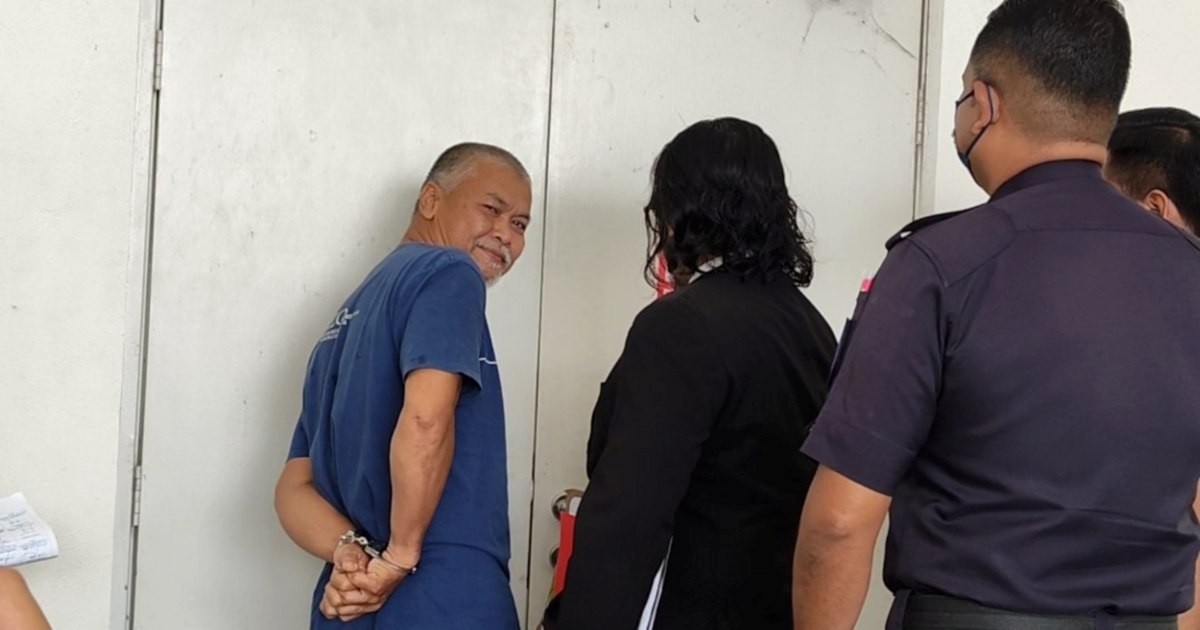
A former military serviceman made his first court appearance in Kangar yesterday, confronting serious charges stemming from the discovery of an unauthorised weapons cache. The Sessions Court and magistrate's court proceedings marked the beginning of legal action against the accused, who faces five separate counts involving the possession of firearms, replica weapons, and substantial quantities of live ammunition. Law enforcement officers had recovered the arsenal during an operation conducted in the opening days of this month, prompting the rapid escalation of charges.
The accumulation of firearms and ammunition without proper authorisation represents a significant breach of Malaysia's stringent weapons regulations. Every civilian seeking to legally possess a firearm must obtain explicit authorisation from relevant authorities—a requirement that applies equally to retired military personnel, despite their prior service. The distinction between active duty soldiers, who operate under military regulations and command authority, and civilians outside the armed forces remains crucial in Malaysian law enforcement. Upon discharge, former military members revert to civilian status and must comply with civilian weapons legislation.
The inclusion of imitation weapons in the charges reflects authorities' comprehensive approach to tackling illegal arms possession. Replica weapons, commonly referred to as imitation firearms, occupy a grey area in public safety enforcement. Their capacity to cause panic, facilitate crimes, or be mistaken for genuine weapons by law enforcement has prompted legislative action across Southeast Asia. Malaysian authorities have increasingly targeted possessors of realistic-looking counterfeit weapons alongside genuine firearms offences, recognising the dual dangers posed by such items in domestic security contexts.
The quantity of live ammunition discovered during the raid underscores the severity of the allegation. Hundreds of rounds represent more than incidental possession—such volumes suggest deliberate accumulation or potential intent for distribution. Ammunition regulations in Malaysia carry weight equal to firearm restrictions, since uncontrolled access to rounds poses independent security risks. The accumulation pattern typically draws heightened scrutiny from prosecutors, as bulk ammunition possession rarely reflects lawful sporting or self-defence justifications.
The case highlights enduring challenges facing Malaysian law enforcement in monitoring weapons that may circulate among former military personnel. Veterans possess legitimate familiarity with firearms and technical knowledge about weapons systems, which creates both opportunities and vulnerabilities. While most retired servicemen respect civilian weapons laws after discharge, occasional cases of former military individuals retaining or acquiring unauthorised weapons surface periodically throughout the region. This incident serves as a reminder that institutional training and prior authorisation do not automatically guarantee ongoing compliance with civilian legal frameworks.
Kangar, situated in Perlis at Malaysia's northwestern border region, has emerged as a focal point for various enforcement operations in recent years. The border proximity creates distinctive policing pressures, with authorities managing multiple regulatory priorities including cross-border smuggling concerns alongside domestic weapons control. Placing this case in Kangar courts suggests either that the accused resides in the area or that local enforcement resources coordinated the operation leading to the charges.
The tiered court system evident in the simultaneous Sessions Court and magistrate's court proceedings reflects Malaysian judicial procedure for serious weapons offences. Such charges typically qualify for either summary disposal in magistrate's courts for lesser counts or full trial in higher courts for more grave allegations. The prosecutorial strategy of pursuing charges through both jurisdictions simultaneously maximises available sentencing options and demonstrates the prosecution's seriousness in pursuing this matter.
Sentencing guidelines for firearms and ammunition possession without authorisation have become progressively stringent across Southeast Asian nations, reflecting regional security priorities. Malaysian courts have consistently imposed substantial custodial sentences in comparable cases, often combining imprisonment with mandatory firearm surrender provisions. The former soldier's military background may influence judicial considerations during sentencing deliberations, though prior service typically does not eliminate criminal liability for post-discharge weapons offences.
This arrest contributes to broader regional efforts addressing illegal firearms circulation. Southeast Asian nations have collaborated increasingly through intelligence-sharing and enforcement coordination to tackle weapons smuggling networks and unauthorised possession. The individual case serves as a data point within larger systematic efforts to maintain civilian security and prevent weapons proliferation across the region. Authorities across Malaysia, Thailand, and other neighbouring nations regularly exchange information regarding weapons trafficking and suspect individuals involved in firearms-related crimes.
The investigation leading to these charges likely involved multiple agencies working in coordination, including local police, border authorities, and potentially federal crime prevention units. The discovery of such a weapons cache typically triggers comprehensive follow-up investigations examining procurement sources, potential recipients, and connections to larger smuggling networks. These secondary investigations may ultimately yield additional charges or information relevant to other ongoing enforcement operations.

