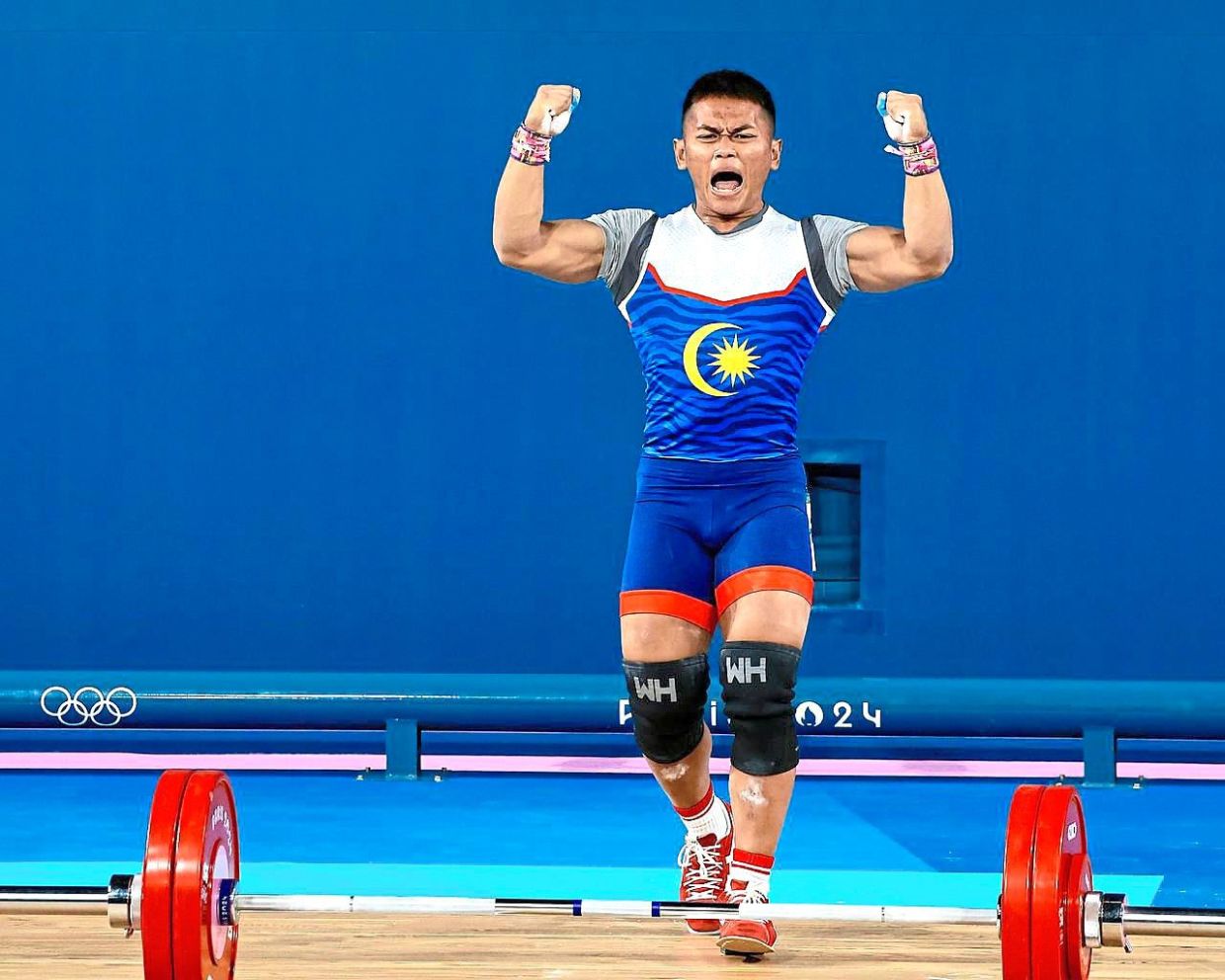
Malaysia's weightlifting programme is receiving a significant financial injection after the sport's stellar performance at last month's Glasgow Commonwealth Games, with the Youth and Sports Ministry committing an extra RM1 million towards expanding and strengthening the discipline across the nation. The decision reflects growing confidence in weightlifting's potential to deliver consistent medal returns and signals a strategic shift towards investing in sports that have demonstrated measurable international competitiveness. Minister Dr Mohd Taufiq Johari announced the funding allocation following consultations with the Malaysian Weightlifting Federation and the National Sports Council, highlighting how the Glasgow results have prompted officials to reassess the sport's development trajectory and resource requirements.
The weightlifters' Glasgow performance was nothing short of transformative for Malaysian athletics. The squad returned home with five gold medals, one silver, and one bronze—a haul that single-handedly anchored Malaysia's overall Games medal tally of eight golds, three silvers, and five bronzes. This outsized contribution from one sport underscores how concentrated medal success in strategically selected disciplines can reshape a country's competitive standing at major international events. The fact that weightlifting delivered nearly two-thirds of Malaysia's gold medal count at Glasgow demonstrates the sport's efficiency as a medal-generation platform and justifies the ministry's confidence in channelling resources towards its development.
Beyond the immediate RM1 million allocation, the government has committed to a broader infrastructure upgrade centred on the Rompin weightlifting training centre. Plans are advancing to transform this facility into a dedicated Sports Centre of Excellence, positioning it as a world-class training hub capable of hosting elite-level preparation and international competitions. Such facility enhancements are critical for attracting and retaining top talent, as modern training environments with quality equipment, scientific support systems, and coaching expertise directly influence athlete performance and retention rates. The Rompin development represents a long-term structural commitment rather than a one-off gesture, signalling that the ministry views weightlifting as a core component of Malaysia's sporting infrastructure.
A particularly notable element of the support package involves the appointment of a full-time coach dedicated to the Rompin facility, with specific focus on developing female weightlifters. This gender-specific investment acknowledges a significant gap in women's weightlifting development and reflects international best practices, where many successful weightlifting nations have prioritised female athlete development to expand their medal-winning base. Women's weightlifting at the Commonwealth Games offers competitive opportunities across multiple weight categories, and Malaysia's ability to field strong female competitors could substantially increase the squad's medal potential at future Games and Olympic competitions. The dedicated female coaching position represents a structural recognition that women's success requires tailored support pathways and specialised mentorship.
Under the National Sports Council's development programme framework, weightlifting quotas are set to increase following the conclusion of the ongoing Malaysia Games (Sukma). Rather than implementing blanket expansions, the ministry has signalled that quota growth will prioritise athletes demonstrating exceptional potential and meeting rigorous selection standards. This meritocratic approach ensures that increased funding and programme slots direct resources towards athletes most likely to achieve podium success, maximising return on investment while maintaining performance standards. The timing of quota increases following Sukma allows selectors to identify and fast-track emerging talent identified through Malaysia's flagship domestic multi-sport competition.
Dr Taufiq's remarks emphasise that the financial and infrastructural support represents both recognition of achieved excellence and strategic investment in sustained long-term growth. By framing the funding as an investment in a developing sporting ecosystem rather than merely rewarding past success, ministry messaging acknowledges that maintaining competitive advantage requires continuous reinforcement of development pathways, coaching quality, and competitive opportunities. This perspective aligns with how advanced weightlifting nations structure their programmes—as integrated systems where grassroots development feeds into elite pathways, and elite success generates resources and motivation that cascade downwards to develop younger age groups.
The Glasgow triumph carries particular significance for Malaysian sports politics given the considerable resources and political capital often invested in larger, more traditional Olympic disciplines. Weightlifting's outsized medal return relative to its funding profile may prompt broader strategic conversations about resource allocation across Malaysian sport, potentially leading to rebalancing that favours sports with demonstrably high medal-per-dollar conversion rates. However, this competitive dynamic for funding also motivates weightlifting officials and athletes to maintain performance standards and justify continued investment through consistent international results.
Regionally, Malaysia's weightlifting investment decisions occur within the context of intensifying Southeast Asian competition across Olympic sports. Neighbouring countries including Thailand, Vietnam, and Indonesia have made comparable or larger infrastructure investments in weightlifting, recognising its efficiency as a medal-earning discipline. Malaysia's RM1 million allocation and Rompin facility upgrade represent attempts to maintain competitive parity with regional rivals and prevent brain drain of talented weightlifters who might otherwise seek training opportunities abroad. The commitment signals that Malaysia remains committed to competing across the full spectrum of Olympic sports rather than narrowing focus to a handful of traditional medal sports.
Looking forward, the success of these support measures will ultimately be measured through medal outcomes at major competitions including the 2026 Commonwealth Games, Asian Games, and Olympic qualifiers. The funding and infrastructure enhancements create necessary but not sufficient conditions for sustained success—effective coaching, athlete talent identification, nutrition and sports science support, and maintenance of athlete motivation all remain critical variables. However, the government's willingness to make visible, substantive investments in weightlifting based on demonstrated Glasgow performance provides a foundation upon which the Malaysian Weightlifting Federation can build systematic development and international competitiveness.

