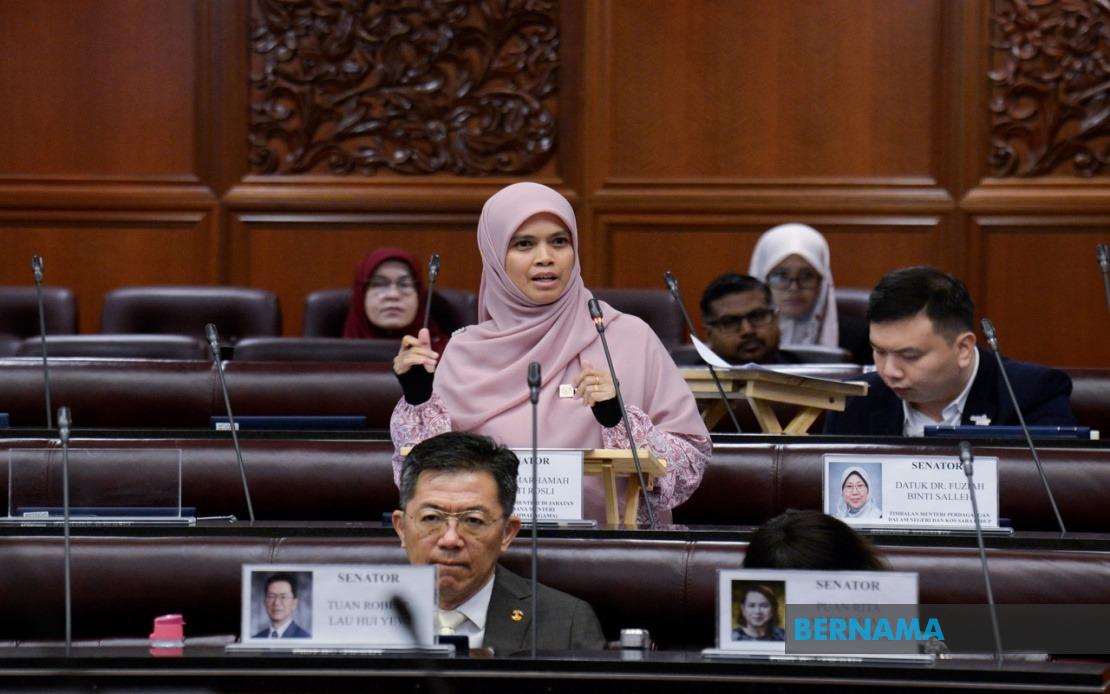
Malaysia's religious affairs ministry has given the nod to 92 mosque construction initiatives worth RM160.82 million across the country, marking a significant expansion of Islamic infrastructure under the MADANI administration. The programme, which commenced in 2023 and has progressed through June of this year, demonstrates the government's commitment to meeting the spiritual and community needs of an increasingly urbanised Muslim population. Deputy Minister in the Prime Minister's Department (Religious Affairs) Senator Marhamah Rosli revealed that more than half of these projects have reached completion, whilst another 16 are actively undergoing construction work. The remaining 22 endeavours remain in their early stages, either preparing for implementation or navigating the procurement procedures necessary before ground-breaking can commence.
The strategic approach to mosque development reflects a collaborative framework established at the highest levels of government. During the 139th Meeting of Menteri Besar and Chief Ministers on June 28, 2022, federal and state authorities agreed to jointly shoulder the financial burden of mosque expansion initiatives. This partnership model ensures that development aligns with regional priorities whilst maintaining fiscal responsibility across different levels of government. The decision underscores recognition that mosque construction represents not merely a religious undertaking but a critical component of public infrastructure serving growing communities across both established and emerging urban centres.
Approvals for new mosque projects follow a structured assessment process that considers multiple interconnected factors rather than relying on single criteria. State religious authorities play a gatekeeping role, evaluating whether proposed sites address genuine demographic pressures and community gaps. Officials examine population density figures and growth patterns in specific neighbourhoods, then cross-reference these against the existing mosque network to identify areas where worshippers currently lack convenient access to facilities. The evaluation considers the operational capacity of established mosques, acknowledging that some may operate at or near saturation during peak prayer times. Land status verification ensures that proposed locations meet legal requirements, whilst the commitment of state governments to co-fund operations and maintenance provides assurance of sustainability beyond the initial construction phase.
For Malaysian readers, this initiative carries particular relevance given ongoing urbanisation trends that frequently outpace religious infrastructure planning. Rapid urban expansion in the Klang Valley, Penang, Johor Bahru and other metropolitan centres has created pockets where Muslim residents struggle to locate conveniently situated mosques. Young families relocating to suburban developments and migrant communities establishing themselves in urban areas represent populations whose devotional needs may not be met by mosque networks designed decades earlier. The MADANI government's systematic approach addresses this mismatch through data-driven site selection rather than ad-hoc responses to individual appeals.
The Department of Islamic Development Malaysia (JAKIM) functions as a coordinating hub within this broader ecosystem, working alongside state Islamic religious departments and councils to operationalise the construction agenda. This institutional architecture prevents duplication whilst ensuring that projects reflect local knowledge held by state authorities most familiar with community composition and religious needs. Non-governmental organisations contribute expertise in community engagement and welfare delivery, extending the mosque's function beyond its primary religious purpose into the social sphere.
Mosques constructed through this programme increasingly serve as community anchors addressing poverty and social marginalisation. Senator Marhamah identified multiple welfare initiatives coordinated through mosque networks, acknowledging the institution's critical role in reaching vulnerable populations. Food distribution programmes target members of recognised asnaf categories—those legally classified as deserving of Islamic charity—whilst community kitchens provide subsidised meals addressing food insecurity. Emergency financial assistance helps families navigating temporary crises, whilst counselling services address mental health and social problems often hidden from government statistics. Educational support extends to underprivileged youth, and funeral management services relieve financial strain during difficult circumstances.
Temporary shelter provisions within mosque complexes offer crucial respite for homeless and street-dwelling populations during monsoon seasons and extreme weather events. These welfare functions represent recognition that religious institutions serve broader social purposes beyond prayer facilitation. For low-income urban residents, mosques increasingly function as de facto social safety nets, particularly in neighbourhoods where government welfare infrastructure may be stretched thin. This expanding welfare role justifies substantial public investment in mosque infrastructure, positioning religious institutions as frontline responders to poverty and social exclusion.
The RM160.82 million expenditure represents only the federal component of this initiative, with state governments contributing additional resources. When combined, total investment in mosque infrastructure likely approaches or exceeds RM250 million—a substantial commitment that reflects political priority assigned to religious infrastructure development. For a nation with approximately 13 million Muslims, this translates to approximately RM12 per capita, though benefits concentrate geographically in areas experiencing rapid demographic growth and community identified gaps.
Completion of 54 projects within approximately 18 months suggests an efficient delivery pace once procurement and planning phases conclude. However, the concentration of projects in pre-implementation and procurement stages indicates potential bottlenecks ahead. If the remaining 38 projects encounter similar delays or complications, completion timelines could extend significantly beyond current projections. Monitoring this cohort of initiatives will indicate whether the government's infrastructure development machinery can sustain momentum or whether capacity constraints within relevant ministries and state authorities may impede delivery.
The mosque construction programme intersects with broader housing and urban development policies in important ways. New residential areas rapidly reaching market readiness may lack religious and social infrastructure, creating planning deficiencies that the MADANI administration seeks to correct retrospectively. Integrating mosque development into land use planning processes earlier in the development cycle might prove more efficient than remedial construction in completed neighbourhoods. For property developers and town planners, this programme demonstrates government expectations that religious facilities receive serious consideration in master planning exercises alongside commercial, recreational and educational infrastructure. As Malaysian cities continue expanding, the precedent established through these 92 projects will likely shape approaches to religious infrastructure provisioning across multiple future developments.

