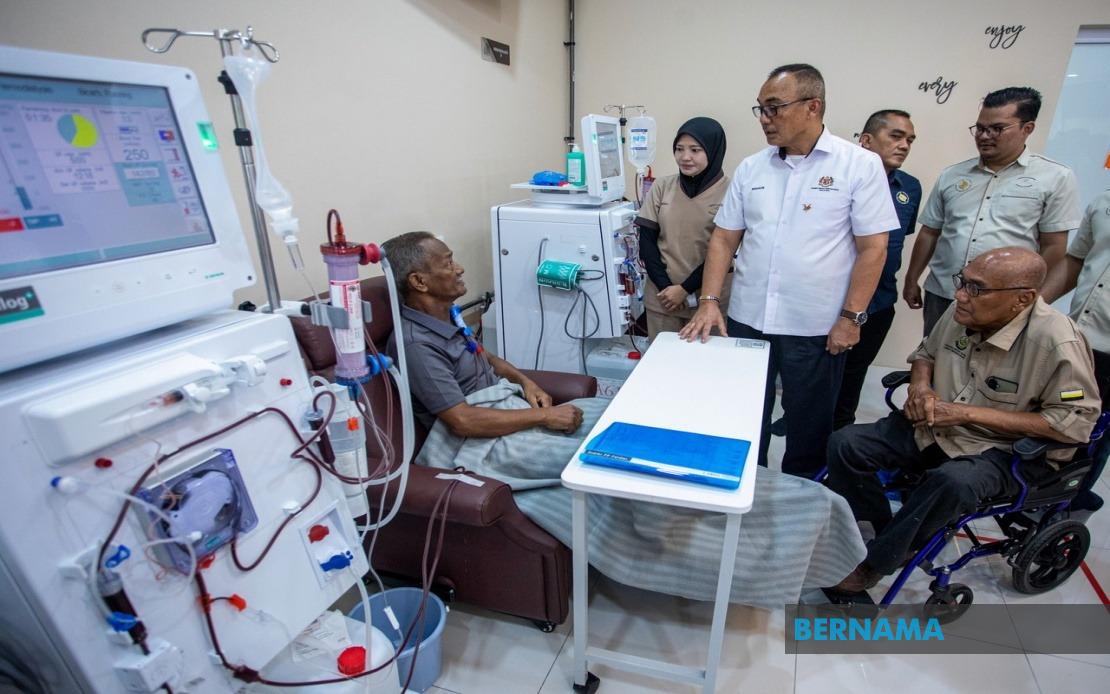
The Malaysian Armed Forces Veterans Foundation has launched an ambitious healthcare expansion programme with the allocation of over RM18 million for the construction and operation of nine dialysis treatment centres distributed strategically across the nation. This substantial investment represents a significant commitment to improving renal care access for military veterans, their families, and the broader civilian population, addressing a critical healthcare need in communities nationwide.
Major General Datuk Semaon Marjuki, director-general of the Malaysian Armed Forces Veterans Affairs Department, outlined the geographical distribution of these new facilities during the official opening of the Batu Kurau dialysis centre in Perak. The expansion concentrates four centres in Selangor, which reflects the concentration of veteran populations in the most densely populated state, while establishing dual facilities in Perak and individual centres in Negeri Sembilan, Johor, and Pahang. This regional approach ensures that dialysis services remain accessible to veterans regardless of their place of residence, addressing a significant gap in specialist healthcare provision that previously limited treatment options for those living outside major urban centres.
All nine facilities have been developed to meet the rigorous standards established by Malaysia's Ministry of Health, incorporating modern medical equipment and infrastructure designed specifically for dialysis treatment delivery. The centres represent more than mere clinical spaces; they are conceived as comprehensive healthcare environments featuring comfortable treatment zones, patient-friendly amenities, and nursing staff with specialised expertise in renal care. This emphasis on facility quality and professional staffing reflects contemporary understanding that dialysis patients require not only effective medical treatment but also dignified, supportive environments that acknowledge the psychological and emotional dimensions of managing chronic kidney disease.
The operational structure of these dialysis centres demonstrates a clearly defined management framework. DVET Holding Sdn Bhd, a wholly-owned subsidiary of the MAF Veterans Foundation, has assumed full responsibility for managing all nine facilities, ensuring consistent quality standards, unified clinical protocols, and streamlined administrative oversight. This consolidated operational approach facilitates knowledge sharing between centres, enables bulk procurement of specialised medical supplies at improved costs, and establishes a cohesive approach to staff training and patient care protocols across the entire network.
Current statistics reveal the substantial demand for dialysis services among the veteran population. Approximately 2,055 military veterans nationwide are currently receiving dialysis treatment, drawing on services provided through JHEV-operated centres, the Social Security Organisation, and other approved healthcare facilities. This substantial patient cohort underscores the critical nature of expanding capacity and accessibility, as the ageing veteran population and rising prevalence of chronic kidney disease among this demographic group suggest continued growth in treatment demand over coming years. The nine-centre expansion represents a proactive response to anticipated healthcare needs rather than merely addressing current shortfalls.
For Malaysian military veterans, this initiative carries particular significance as a tangible acknowledgment of government responsibility toward those who served in national defence. Beyond the immediate provision of medical services, the programme demonstrates commitment to the broader welfare agenda for armed forces personnel, recognising that adequate healthcare access forms a fundamental component of honouring their service and ensuring dignified living standards in retirement. This healthcare expansion complements other veteran support mechanisms, creating a more comprehensive framework for veteran wellbeing.
The expansion also carries implications for Malaysia's healthcare system more broadly. By establishing additional dialysis capacity through targeted investment in veteran-focused facilities, the programme contributes to national efforts to address the rising burden of end-stage renal disease, which has become increasingly prevalent across Southeast Asia due to demographic ageing and rising incidence of hypertension and diabetes. The model of specialist treatment centres equipped to international standards and staffed with experienced personnel represents a template that could inform broader national strategies for strengthening renal care provision.
Community health impact extends beyond veteran populations. The explicit inclusion of family members and the general public in the intended patient base for these dialysis centres means that residents in surrounding communities gain access to modern renal treatment facilities that might otherwise remain unavailable. This public-private benefit approach maximises the return on government investment while addressing healthcare inequities that often characterise the geographic distribution of specialist medical services in Malaysia, where such facilities cluster disproportionately in major metropolitan areas.
The timing of this expansion reflects broader government priorities outlined in recent policy statements regarding healthcare system enhancement and improved service delivery to underserved populations. The Veterans Affairs Department's initiative demonstrates horizontal alignment across government agencies in pursuing shared objectives of population health improvement and equitable service distribution, a coordination model increasingly emphasised in contemporary Malaysian governance frameworks.
Looking forward, the success of these nine centres will likely depend on sustained funding for equipment maintenance and replacement, ongoing staff training to maintain clinical standards, and effective mechanisms for ensuring that awareness of these services reaches veteran populations who might otherwise remain unaware of available treatment options. The centres also provide an opportunity for clinical research collaboration and data collection that could contribute to broader understanding of renal disease prevalence and treatment outcomes among the Malaysian veteran population, potentially informing future policy and resource allocation decisions.

