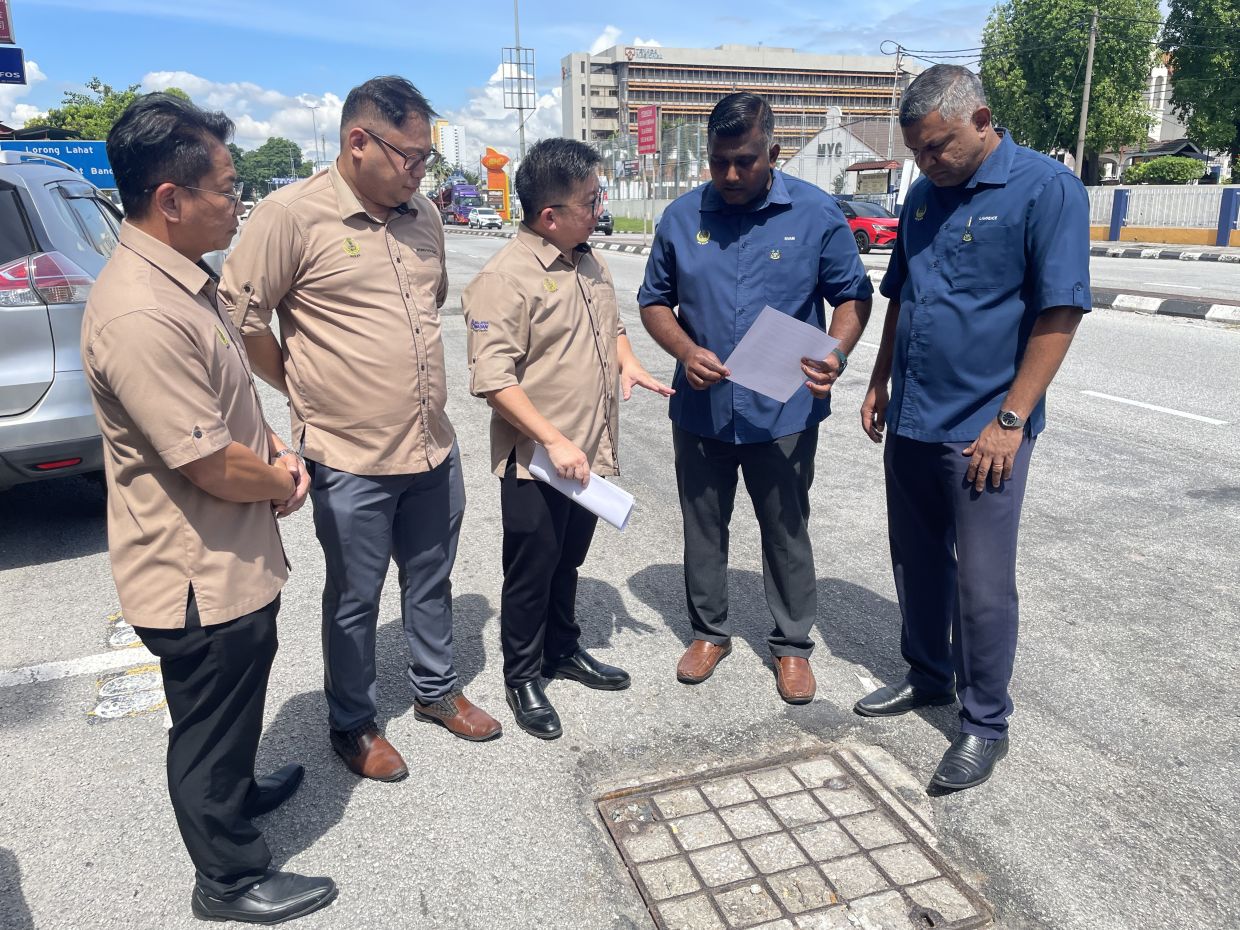
A major road rehabilitation effort is set to transform conditions on Jalan Lahat in Ipoh, with a RM2.6mil resurfacing initiative due to commence next month. The project will target a critical 4km stretch of the thoroughfare, which connects three important state constituencies: Buntong, Tebing Tinggi and Menglembu. According to Menglembu assemblyman Chaw Kam Foon, the initiative represents a significant breakthrough for residents and commuters who have long battled treacherous driving conditions on one of the city's major arterial routes.
Funded through the Malaysian Road Records Information System (Marris), the resurfacing works will encompass both directions of Jalan Lahat from the Falim traffic lights through to the Jalan Leong Boon Swee junction adjacent to the Little India commercial district. Though the entire road stretches between 10km and 11km in length, authorities have strategically prioritised the most severely damaged section, which spans approximately 1.9km in each direction. This focused approach allows the allocated RM2.6mil budget to concentrate resources where deterioration has become most acute and poses the greatest safety risks to motorists.
The condition of Jalan Lahat has deteriorated significantly over recent months, with the infrastructure showing unmistakable signs of age and heavy usage. The route serves as a vital connector for residential neighbourhoods, educational institutions and commercial establishments across Ipoh, making it a heavily trafficked corridor for both private vehicles and commercial lorries. The cumulative impact of this intense utilisation, combined with inadequate past maintenance efforts, has rendered sections of the road dangerously uneven and severely potholed. In June alone, approximately 20 vehicles sustained tyre punctures after striking the numerous defects scattered across the affected stretch, underscoring the urgent need for comprehensive rehabilitation rather than temporary patching solutions.
The deterioration became impossible to ignore in recent weeks when social media users documented the dire state of the road, with particular attention drawn to a large pothole on the elevated flyover section. The viral footage sparked immediate public concern about vehicle safety and prompted rapid response from authorities, who patched the most dangerous defect shortly after the issue gained online prominence. However, this reactive approach proved insufficient for addressing the systemic nature of the road's degradation, eventually compelling officials to recognise that only full-scale resurfacing could provide a lasting remedy. The fact that emergency patching was necessary at all highlighted how far the road's condition had deteriorated from acceptable standards.
Local councillor K. Sivam revealed that requests for comprehensive resurfacing work on this stretch have been recurring since 2024, with stakeholders repeatedly lobbying authorities for intervention. The eventual approval of the project this year represents vindication for those who have advocated persistently for proper remedial action. The tender process for selecting contractors is currently underway, with the expectation that construction activities will commence in July. Officials estimate that the physical resurfacing work can be completed within approximately three weeks, assuming favourable weather conditions and adequate contractor resources throughout the execution period.
Past attempts to maintain the road through conventional patching methods have proven ineffective, largely due to environmental factors and the sheer volume of daily traffic passing over the surface. Heavy vehicles and lorries, which form a substantial portion of the traffic mix, exert considerable stress on standard repairs, causing them to fail prematurely. The resurfacing project will therefore represent a more robust solution designed to withstand the demanding conditions the road experiences. Beyond the primary resurfacing work, the initiative will encompass several complementary improvements including the levelling of manhole covers that create dangerous surface irregularities, elimination of undulations that compromise ride quality and safety, and the repainting of directional lane markings to enhance visibility and traffic flow organisation.
Contributing to the road's accelerated deterioration have been utility excavation activities undertaken across the corridor in previous years. Installation projects for sewerage pipelines and other underground infrastructure, while necessary for municipal development, were not consistently followed by satisfactory restoration of the road surface. These works frequently left the pavement compromised, with inadequate reinstatement creating weak points that subsequently failed under traffic loading. The resurfacing project therefore offers an opportunity to rectify not only the accumulated wear from normal usage but also deficiencies stemming from these prior utility interventions. Future utility companies undertaking excavation work will face heightened oversight through the Corridor Utiliti Darul Ridzuan (KUDR), which possesses statutory authority to enforce adherence to approved restoration specifications.
The establishment of this monitoring framework represents an important structural reform intended to prevent recurrence of the poor restoration practices that contributed to Jalan Lahat's decline. Companies that fail to properly reinstate roads following excavation will face escalating consequences including financial penalties through compounding mechanisms and potential requirements to execute repair work repeatedly until standards are satisfied. This enhanced accountability framework should incentivise contractors to prioritise quality restoration work, ultimately reducing the frequency of premature pavement failures caused by inadequate utility work reinstatement. The approach reflects a more sophisticated understanding of asset maintenance, recognising that systematic oversight of all activities affecting road condition is essential for preserving infrastructure longevity.
For residents and business operators throughout the affected corridor, the July commencement of resurfacing work will initially create temporary disruptions as contractors establish work zones and manage traffic flow during construction activities. However, the relatively compressed three-week timeline means that inconvenience will be time-limited, with restoration of normal road conditions expected before the end of July. The completion of this project will represent tangible progress in addressing long-standing infrastructure deficiencies in Ipoh, demonstrating responsiveness to documented public concerns and commitment to maintaining essential urban transportation corridors at acceptable operational standards. The success of this initiative may also establish a template for similar comprehensive resurfacing programmes addressing other deteriorated road sections across Perak.