Petaling Jaya is set to gain a new recreation facility as Selangor's local government moves forward with a RM400,000 park development planned for an undeveloped tract along Jalan PJS1/30 in the Taman Medan neighbourhood. The project represents one component of a comprehensive urban greening strategy designed to enhance quality of life and environmental sustainability in the bustling Selangor city.
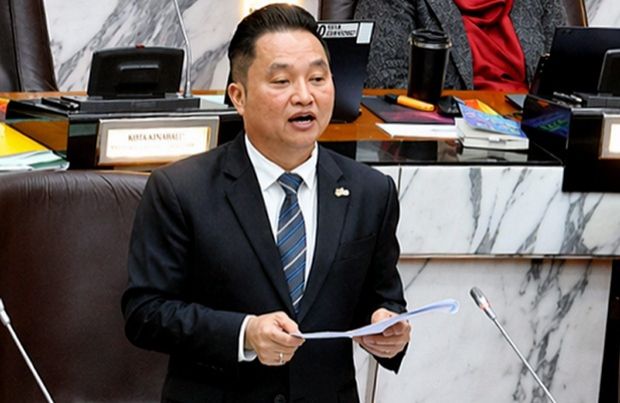
Datuk Ng Suee Lim, the Selangor state assemblyman and chairman of the local government and tourism committee, disclosed the timeline and objectives during proceedings at Bangunan Dewan Negeri Selangor in Shah Alam on August 10. Construction is anticipated to commence next year, contingent on budget allocation and scheduling priorities set by Petaling Jaya City Council, commonly referred to as MBPJ. The initiative emerged from a question posed by Dr Afif Bahardin, the Taman Medan assemblyman from Perikatan Nasional, who sought clarification on the municipal council's broader agenda for recreational spaces and riverfront transformation.
Beyond merely converting an unused parcel into a recreational destination, the undertaking promises to address safety and accessibility concerns that frequently plague underdeveloped urban zones. The envisioned park will prioritise creating an environment where residents feel secure, comfortable, and welcomed to engage in outdoor activities. Ng emphasised that the development aligns with contemporary urban planning philosophy, which increasingly recognises public green spaces as essential infrastructure for liveable cities. Improvements to landscape architecture and the establishment of environmentally conscious design principles will underpin the project, contributing to Petaling Jaya's evolution into a greener, more sustainable metropolis.
The Taman Medan park initiative exists within a substantially larger framework known as the Damansara Damai People's Park Landscape Masterplan, which MBPJ formulated to operationalise goals outlined in the Petaling Jaya Strategic Plan 2030. This comprehensive masterplan projects the creation of five distinct urban parks distributed across the municipality, each serving complementary functions within the broader green infrastructure network. The planning approach reflects a shift towards strategic, holistic development rather than isolated initiatives, ensuring that individual projects reinforce overarching sustainability and community wellbeing objectives.
The five-park development scheme emphasises five interconnected priorities: recreational opportunity, environmental stewardship, biological diversity enhancement, grassroots community engagement, and advancement towards low-carbon urban development. These themes represent the municipality's commitment to balancing immediate resident needs with long-term environmental responsibility. The inclusion of biodiversity as a core planning principle indicates recognition that urban parks serve functions beyond leisure—they provide habitat corridors, support pollinator populations, and contribute to ecosystem resilience within built environments.
Taman Damai Belantara, designated as Urban Park 3 within the masterplan, will launch next year as a phased initiative with a distinctive educational focus. Rather than serving purely as a passive green space, this facility will incorporate active learning components including designated urban farming areas where residents can cultivate vegetables and gain agricultural knowledge. An amphitheatre will enable community events, workshops, and environmental education programmes, while an information gallery will disseminate knowledge about local ecology, conservation practices, and sustainable living. This multifunctional approach transforms parks from ornamental features into catalysts for behavioural change and environmental literacy.
Parallel development will occur at Taman Damai Setia, classified as Urban Park 1, where upgrade works commenced during the current year and will continue through phased implementation into the subsequent year. The enhancements planned for this facility encompass a family recreation zone accommodating diverse age groups and abilities, a multipurpose hall suitable for community gatherings and events, bioswales designed to manage stormwater sustainably, a composting facility promoting waste reduction and soil enrichment, and operational stalls generating economic activity for local vendors. This combination of recreational, environmental, and economic components demonstrates sophisticated urban design thinking that acknowledges parks as multifaceted community assets.
Complementing these terrestrial park developments is an ambitious riverfront revitalisation programme targeting the Sungai Klang and Sungai Penchala watercourses. The initiative proposes converting reserve zones along these river corridors into verdant green corridors and recreation spaces aligned with the Petaling Jaya Landscape Masterplan. The transformation encompasses constructing pedestrian and cycling walkways that not only provide leisure infrastructure but crucially establish connectivity between riverbank amenities and the surrounding commercial and residential precincts. Such linkages prove essential for maximising usage and integrating green infrastructure into residents' daily routines rather than treating parks as disconnected destinations.
These linear park developments carry particular significance for the Klang Valley region, given escalating concerns about urban heat, flooding vulnerability, and diminishing green cover. Riverbank restoration can simultaneously address multiple environmental challenges: riparian vegetation reduces water temperature, stabilises banks, filters pollutants, and provides flood mitigation through increased infiltration. For Malaysian cities grappling with intensifying tropical rainfall patterns and urban heat island effects, strategic riverfront greening represents pragmatic climate adaptation infrastructure rather than mere aesthetic enhancement.
Ng acknowledged that all projects described constitute long-term aspirations whose execution depends substantially on MBPJ's budgetary capacity and organisational priorities. This candid framing reflects the practical realities constraining municipal governments throughout Malaysia, where competing demands for infrastructure investment often leave environmental initiatives competing for limited resources. The phased approach and dependency on annual budget cycles mean residents may witness gradual rather than rapid transformation, requiring sustained political commitment across electoral cycles to realise the complete vision.
For Petaling Jaya residents, particularly those in Taman Medan, the RM400,000 park represents tangible progress toward more liveable neighbourhoods. As metropolitan areas across Southeast Asia confront simultaneous pressures from population growth, climate change, and environmental degradation, investments in accessible green infrastructure increasingly function as essential rather than optional services. The integration of educational programming, community facilities, and environmental design within these spaces signals municipal sophistication in urban planning that recognises parks as instruments for social cohesion, environmental resilience, and public health.

