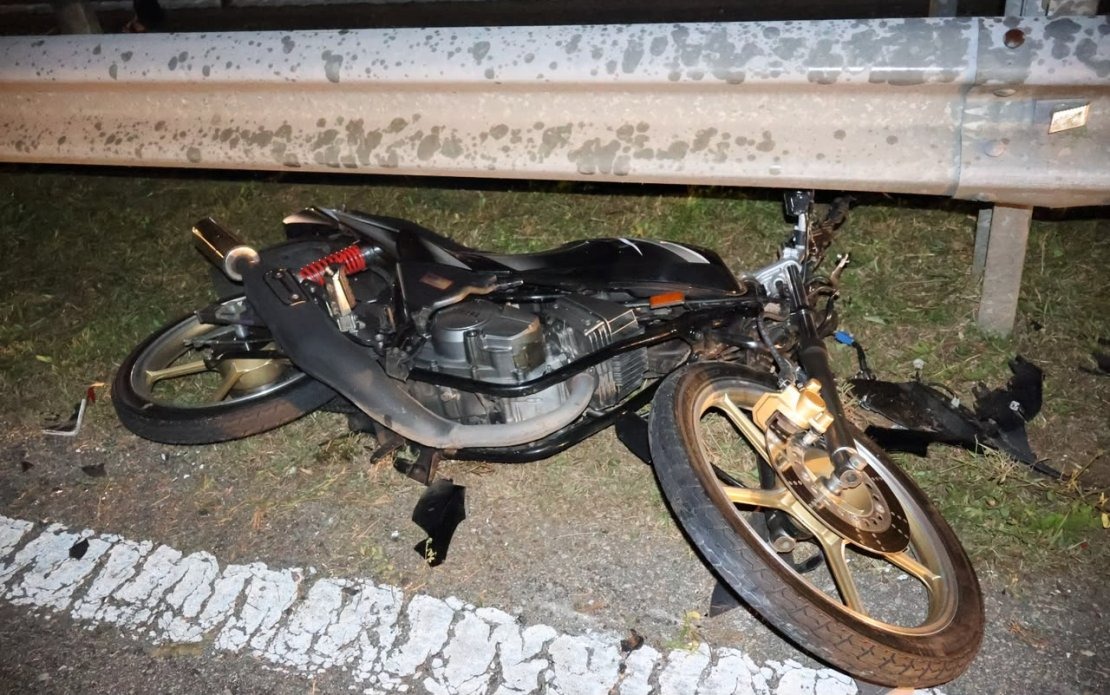
Enforcement operations by traffic police are necessary but insufficient to address the root causes of dangerous driving on Malaysian roads, according to Bukit Aman Traffic Investigation and Enforcement Department director Datuk Seri Muhammed Hasbullah Ali. Speaking after a fatal accident on the East Coast Expressway claimed four motorcyclist lives and injured 20 others, he stressed that meaningful progress requires a broader societal shift in attitudes toward road safety.
The high-ranking officer pointed to a fundamental gap in current approaches to traffic safety: many road users, particularly young motorcyclists, deliberately ignore traffic laws despite knowing the consequences. These risky behaviours—illegal racing, reckless riding, and dangerous highway stunts—often stem from peer pressure, a desire for personal gratification, or misguided pursuit of recognition rather than simple carelessness. This psychological dimension means that catching offenders after the fact, while important, addresses only the symptom rather than the underlying mindset that drives the behaviour.
Muhammed Hasbullah emphasised that meaningful change requires active participation from families, educational institutions, and local communities. Parents bear particular responsibility in shaping their children's attitudes toward road use from an early age, instilling respect for traffic regulations and awareness of the consequences of reckless behaviour. Schools and universities should integrate comprehensive road safety education into their curricula, moving beyond basic rules to develop critical thinking about risk assessment and personal responsibility.
The tragedy on the East Coast Expressway illustrates the cascading consequences of irresponsible road behaviour that extend far beyond the immediate perpetrators. The four deceased motorcyclists paid the ultimate price, but the 20 injured individuals faced serious physical trauma, potential long-term disability, and psychological impact. Other road users caught in the vicinity experienced sudden terror and may suffer lasting anxiety about highway travel. Families of victims endure lifelong grief, while hospitals and emergency services face resource strain from preventable accidents.
Currently, Bukit Aman and partner agencies continue intensive enforcement operations targeting reckless riders, illegal racing organisers, and those performing dangerous stunts on public roads. These efforts remain necessary to deter high-risk behaviour and remove dangerous individuals from circulation before they cause fatal accidents. However, Muhammed Hasbullah acknowledged that enforcement alone has demonstrated limited effectiveness in changing the behaviour of dedicated offenders who view traffic laws as constraints to be circumvented rather than rules protecting shared public space.
The Malaysian context makes this challenge particularly acute. As motorcycle ownership and usage remain high across the country, addressing rider behaviour becomes critical to national road safety performance. Many younger riders view highways as proving grounds for skill and courage, a cultural attitude that road safety campaigns must directly challenge. The perception that traffic enforcement is primarily revenue-raising rather than safety-focused further erodes compliance among certain demographic groups.
Stakeholder engagement represents a key underexploited avenue for change. Community leaders, religious figures, and respected local personalities can amplify road safety messaging with greater credibility than government announcements alone. Workplace safety culture at companies employing high-risk commuters can address commuting behaviour. Insurance companies have financial incentive to promote safer driving practices among their customers through premium incentives and education.
The distinction between enforcement and education reflects international best practices in traffic safety. Countries reducing fatality rates significantly have combined strict penalties with sustained public education campaigns, school-based initiatives, and family-focused interventions. This comprehensive approach addresses the knowledge gap (many drivers unaware of specific risks), the attitude gap (perceiving rules as optional), and the behavioural gap (knowing and believing something but still not doing it).
Muhammed Hasbullah's comments suggest a potential shift in official thinking about traffic safety strategy, moving from a purely punitive model toward one incorporating prevention and culture change. This represents mature acknowledgment that policing alone, regardless of resource investment, cannot solve complex behavioural problems rooted in social attitudes and peer influences. The coming period will reveal whether this rhetoric translates into coordinated, sustained programmes engaging Malaysian society beyond enforcement operations.

