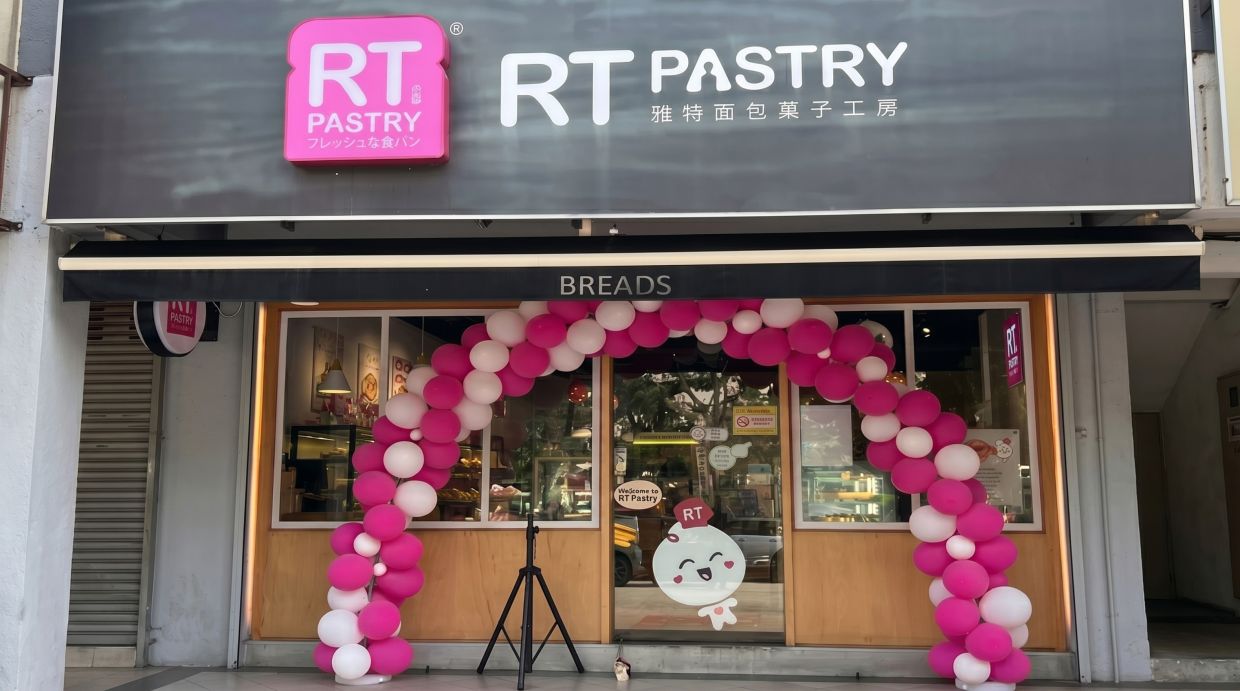
RT Pastry Holdings Bhd has achieved a significant milestone in its operational compliance by securing halal certification from Malaysia's Department of Islamic Development (JAKIM) for its primary manufacturing plant. The certification, formally issued on July 1, represents formal recognition of the bakery group's adherence to stringent Islamic dietary and production standards, positioning the company more competitively within Malaysia's increasingly regulated and quality-conscious halal food sector.
The certification covers RT Pastry's Plant 1 facility located in Taman Bukit Serdang, Seri Kembangan, and encompasses the full spectrum of the company's product range manufactured at that location. This includes cakes, Swiss rolls, pastries, cookies, desserts and complementary bakery items that form the backbone of RT Pastry's commercial portfolio. The certification period extends for a substantial seven-year duration, running through June 30, 2028, providing the company with considerable operational certainty and long-term market positioning.
The halal certification issued by JAKIM was conferred under the Malaysian Halal Standard MS1500:2019, the national benchmark that governs halal food production in Malaysia. This standard establishes comprehensive requirements spanning the entire production lifecycle: ingredient sourcing, manufacturing protocols, product handling procedures, and facility hygiene standards. Compliance with MS1500:2019 ensures that products meet the precise requirements of Islamic dietary law, particularly regarding the permissibility of ingredients, processing methods, and cross-contamination prevention. For consumers and distributors alike, this certification serves as official confirmation that products have undergone rigorous assessment and meet Malaysia's internationally recognised halal benchmarks.
This achievement by RT Pastry's primary manufacturing hub follows the company's earlier success in securing halal certification for its secondary facility. Plant 2, situated in Glenmarie, obtained JAKIM halal certification during 2023, demonstrating the group's sustained commitment to achieving compliance across its entire manufacturing infrastructure. The sequential certification of both facilities reflects a deliberate corporate strategy to ensure comprehensive halal accreditation throughout the organisation's production network, minimising regulatory gaps and reinforcing market credibility.
The strategic importance of halal certification within Malaysia's food industry cannot be overstated. Beyond serving as a legal prerequisite for market participation, halal accreditation functions as a powerful market differentiator and consumer confidence mechanism. For domestic consumers—who constitute the majority Muslim population in Malaysia—halal certification provides essential assurance regarding product integrity and religious compliance. This certification also strengthens RT Pastry's capacity to supply institutional buyers, including schools, government agencies, and religious institutions, which typically mandate halal documentation as a contractual requirement.
Executive leadership at RT Pastry, through chief executive officer Lu Chun-Neng, articulated the certification's significance within the broader corporate narrative. The company characterised halal certification not merely as administrative compliance but as a fundamental expression of corporate values emphasising quality, operational integrity, and consumer confidence. This framing reflects recognition that contemporary Malaysian consumers increasingly view food safety and religious compliance as interconnected dimensions of trustworthiness rather than separate considerations.
The expansion of certified manufacturing capacity positions RT Pastry advantageously within Malaysia's competitive bakery sector. With both major manufacturing facilities now holding active halal certification, the company can scale production to meet growing market demand while maintaining compliance with regulatory frameworks that have become progressively stringent. This dual-facility certification infrastructure provides operational flexibility, allowing the company to allocate production across multiple sites without triggering halal compliance complications that might arise from facility-specific limitations.
For the broader Malaysian food manufacturing ecosystem, RT Pastry's certification activities exemplify the normalisation of halal compliance as fundamental to business operations rather than optional value-addition. The bakery sector, historically fragmented between small artisanal producers and larger commercial entities, has increasingly adopted formalised halal certification systems. This trend reflects both regulatory evolution—as JAKIM's certification protocols have become more rigorous—and consumer expectations that have shifted toward demanding documented compliance rather than accepting informal assurances.
The seven-year certification validity period also reflects confidence in RT Pastry's manufacturing systems and quality assurance frameworks. JAKIM's extended certification duration suggests that auditors identified robust, institutionalised compliance mechanisms capable of sustaining halal standards across multiple production cycles. This contrasts with shorter certification periods that might indicate marginal compliance or areas requiring enhanced monitoring, underscoring the comprehensiveness of RT Pastry's halal management infrastructure.
Looking forward, RT Pastry's dual halal certifications facilitate potential expansion into export markets where halal compliance serves as a critical market entry requirement. Gulf Cooperation Council states, Southeast Asian neighbours, and increasingly Muslim-majority consumer segments globally prioritise halal certification from recognised authorities. Malaysia's JAKIM certification carries particular weight internationally, as Malaysia positions itself as a global halal standards setter and certification hub.
The company's stated commitment to expanding product offerings while maintaining certification compliance suggests anticipated diversification into new bakery categories. New product development within a halal-certified framework requires careful ingredient selection and process validation, but the existing certification provides a foundation upon which such expansion can proceed systematically. This approach allows RT Pastry to introduce innovations while preserving regulatory compliance and consumer confidence.

