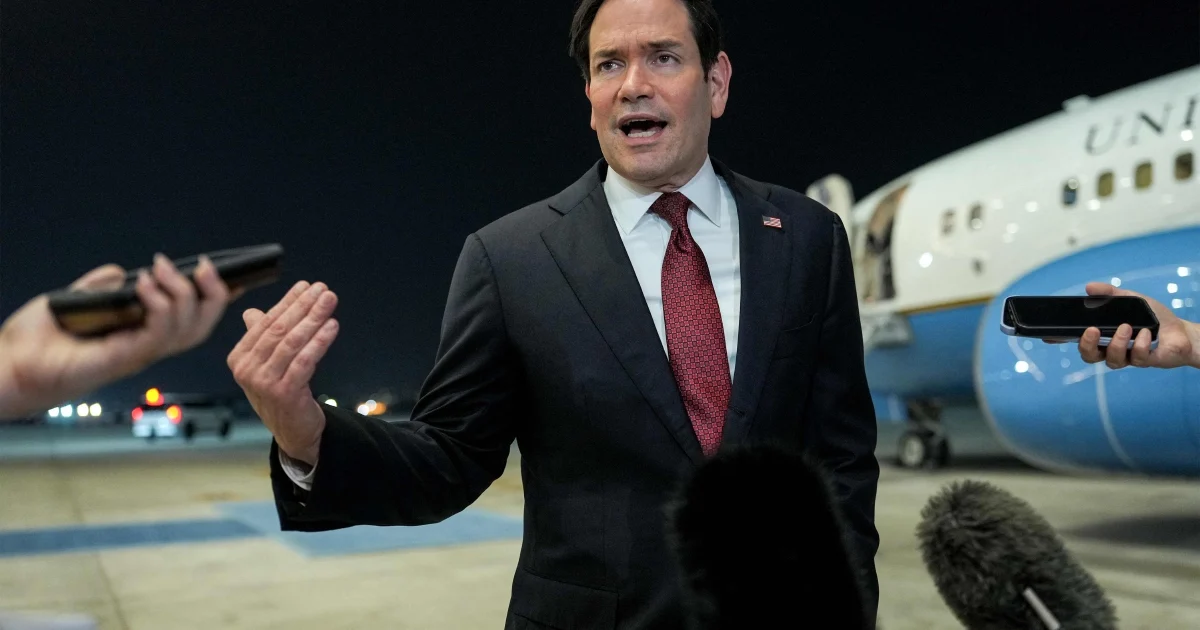
The United States has drawn a firm line against Iranian proposals to charge tolls on vessels transiting the Strait of Hormuz, according to statements from US Secretary of State Marco Rubio made Tuesday. The declaration underscores mounting complications in diplomatic efforts to broker an end to regional hostilities, with disagreements extending well beyond shipping fees into more contentious territory regarding nuclear oversight and ballistic missile capabilities.
Rubio's unequivocal rejection of toll proposals carries significant weight given the Strait of Hormuz's status as one of the world's most strategically vital maritime passages. Approximately one-third of global seaborne oil trade flows through these waters annually, making any interruption to shipping or the imposition of transit charges a matter of profound concern to energy-dependent economies worldwide, including Malaysia and other Southeast Asian nations reliant on Middle Eastern petroleum supplies. The proposed Iranian tolls would effectively give Tehran leverage over the international energy market and represent a dramatic shift in the balance of power in the Persian Gulf.
The negotiations addressing Middle Eastern stability have encountered substantial obstacles on multiple fronts simultaneously. Beyond the disputed toll question, negotiators are grappling with fundamental disagreements over the scope and intrusiveness of nuclear inspections that international observers would conduct on Iranian facilities. Iran has historically resisted unfettered access to sensitive installations, viewing such arrangements as infringements on national sovereignty, while Western powers maintain that comprehensive verification mechanisms are essential prerequisites for any credible agreement limiting Tehran's nuclear programme.
Missile development programmes constitute another flashpoint in these protracted discussions. The United States and its regional allies demand restrictions on Iranian ballistic missile capabilities and proliferation activities, viewing such weapons as destabilising forces throughout the region and potential threats to Israel and Gulf states. However, Iran regards its missile arsenal as a legitimate deterrent against external military intervention and has shown reluctance to accept stringent limitations on programmes it considers vital to national defence.
The timing of these contentious negotiations reflects the broader instability that has characterised the Middle East in recent years. Multiple conflicts have drawn in regional powers and international actors, creating a complex web of competing interests and security concerns. Malaysia, as a Muslim-majority nation with significant economic ties throughout the region, has considerable interest in achieving stable outcomes that do not further destabilise global energy markets or maritime security arrangements upon which regional commerce depends.
Rubio's firm stance on the Hormuz toll question suggests the United States intends to maintain a hardline negotiating posture, potentially limiting room for compromise on what Tehran might view as legitimate compensation for accepting restrictions on its strategic capabilities. This rigid approach may harden Iranian positions in response, creating a negotiating dynamic characterised more by confrontation than collaborative problem-solving.
The convergence of three separate disputes—maritime tolls, nuclear inspections, and missile development—demonstrates the interconnected nature of Middle Eastern security challenges. Progress on one issue often hinges on concurrent movement on others, yet each domain contains enough technical complexity and political sensitivity to consume months or years of specialist negotiations. The overlapping disagreements multiply opportunities for talks to collapse entirely.
For Southeast Asian nations monitoring these developments, the implications extend beyond abstract geopolitical concerns. Disruptions to Hormuz shipping lanes would directly increase fuel costs and shipping premiums throughout the region, raising business expenses and consumer prices. Malaysia's petrochemical industries, transportation sectors, and manufacturing operations all depend on stable access to competitively priced Middle Eastern energy resources. Any breakdown in these negotiations that triggers military confrontation or tighter shipping controls would generate immediate economic consequences felt across the Malaysian economy.
The dispute also reflects deeper structural tensions between Iran's aspirations to become a major regional power with advanced military capabilities and Western countries' determination to prevent such developments. These competing visions seem fundamentally incompatible, suggesting that superficial compromises on procedural questions like toll collection mechanisms may prove insufficient to bridge the substantive strategic divide separating negotiating parties.
Diplomatic observers note that early negotiating rounds frequently surface fundamental disagreements before parties identify potential common ground. However, the sheer breadth of contentious issues—coupled with deeply held positions on both sides regarding essential national interests—suggests these negotiations face an uphill struggle. The coming weeks will reveal whether negotiators can move beyond initial posturing to identify creative arrangements addressing core security concerns of all parties involved.