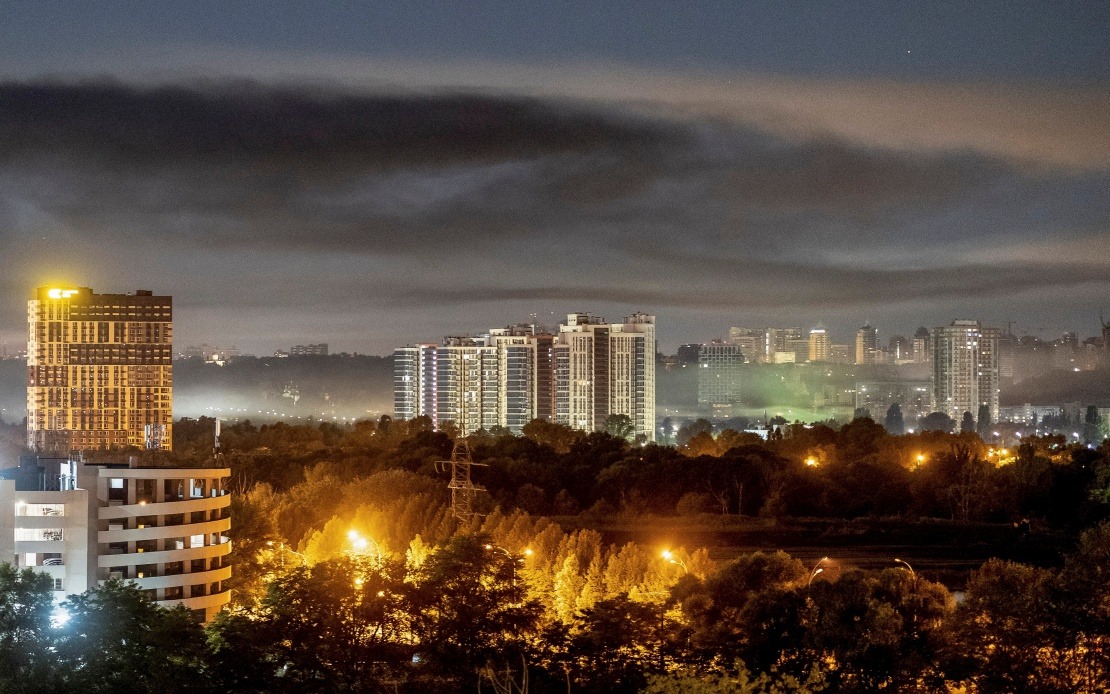
Russian forces conducted fresh ballistic missile strikes on Kyiv on Saturday, August 1, resulting in at least nine deaths and 23 injuries across the Ukrainian capital, according to official statements from the State Emergency Service of Ukraine. The attacks underscore the continued intensity of Russia's aerial campaign against civilian infrastructure and population centres in Ukraine, even as the conflict grinds through its second year.
The destructive barrage impacted at least five separate districts within Kyiv, spreading casualties and damage across a wide geographical area. This dispersed pattern of strikes suggests a deliberate strategy by Russian forces to overwhelm air defence systems and create multiple simultaneous emergency response challenges for Ukrainian authorities. The targeting of multiple zones simultaneously places considerable strain on emergency services already stretched by recurring attacks.
For Malaysian observers monitoring the Ukraine crisis, these ongoing strikes illuminate the brutal calculus of modern warfare, where civilian centres become contested battlegrounds. The toll on ordinary residents—the injuries, deaths, and displacement—reflects the human cost of protracted conflict that remains largely distant from Southeast Asian shores yet carries profound geopolitical implications. The systematic nature of these attacks, occurring regularly rather than sporadically, indicates a sustained campaign rather than isolated incidents.
The use of ballistic missiles represents a particularly challenging dimension of Russia's aerial strategy. These weapons travel at supersonic speeds and follow predetermined trajectories, making interception difficult even for capable air defence systems. Ukraine has invested heavily in air defence capabilities, yet the sheer volume and variety of Russian strikes continue to find gaps in coverage. Civilian infrastructure and residential areas frequently bear the consequences when defences are overwhelmed or saturated.
Kyiv's vulnerability to aerial attack stems partly from its strategic importance as Ukraine's political and economic heart. Russian commanders prioritise strikes on the capital to inflict maximum psychological and material damage on Ukrainian morale and governance. Each attack on Kyiv carries symbolic weight beyond its immediate casualty figures, demonstrating Russia's ability to strike the seat of Ukrainian power despite months of Ukrainian resistance and Western military support.
The frequency of such attacks has become almost routine, with emergency services responding to strikes occurring days or weeks apart. This pattern creates a climate of persistent insecurity that affects daily life for millions of Kyiv residents. Civilian routines are interrupted by air raid alerts, residents seek shelter in underground facilities, and ordinary activities are constantly overshadowed by the threat of incoming missiles.
Ukraine's air defence network has benefited from Western military aid, including advanced radar systems and surface-to-air missiles supplied by NATO allies including the United States and European nations. However, the sheer quantity of Russian munitions deployed exceeds the defensive capacity that Ukraine currently possesses. Each successful interception uses up finite ammunition stocks, creating an asymmetrical attrition problem where Russia possesses larger stockpiles of missiles than Ukraine can readily destroy.
Regional powers in Southeast Asia monitor these developments with particular interest regarding weapons technology, air defence systems, and the effectiveness of various military platforms. The Ukraine conflict serves as a live testing ground for multiple weapons systems, providing valuable intelligence to defence analysts and military planners worldwide about the capabilities and limitations of modern armaments. Malaysia, like other nations in the region, tracks such developments as they inform assessments of regional security challenges.
The humanitarian dimension of these strikes cannot be overlooked. Each casualty represents a family disrupted, a worker removed from the economy, or a child whose life trajectory has been fundamentally altered. The psychological toll on populations enduring repeated bombardment creates secondary effects beyond immediate casualties—trauma, displacement, and the breakdown of normal social and economic functions compound the direct costs of warfare.
Ukraine's response to these attacks combines both defensive measures and diplomatic appeals to Western allies for enhanced air defence capabilities. The State Emergency Service and other Ukrainian authorities maintain detailed casualty records and damage assessments, documenting what they characterise as war crimes and crimes against humanity. These records will likely form the basis of future accountability mechanisms and international legal proceedings.
Looking forward, the trajectory of Russian aerial campaigns will depend on multiple variables: the sustainability of Russian munitions production, the efficacy of Ukrainian air defences, and the continued flow of Western military support. Each of these factors remains contested and uncertain. The humanitarian cost will continue accumulating as long as the conflict persists, with civilian populations bearing disproportionate burdens regardless of military outcomes.

