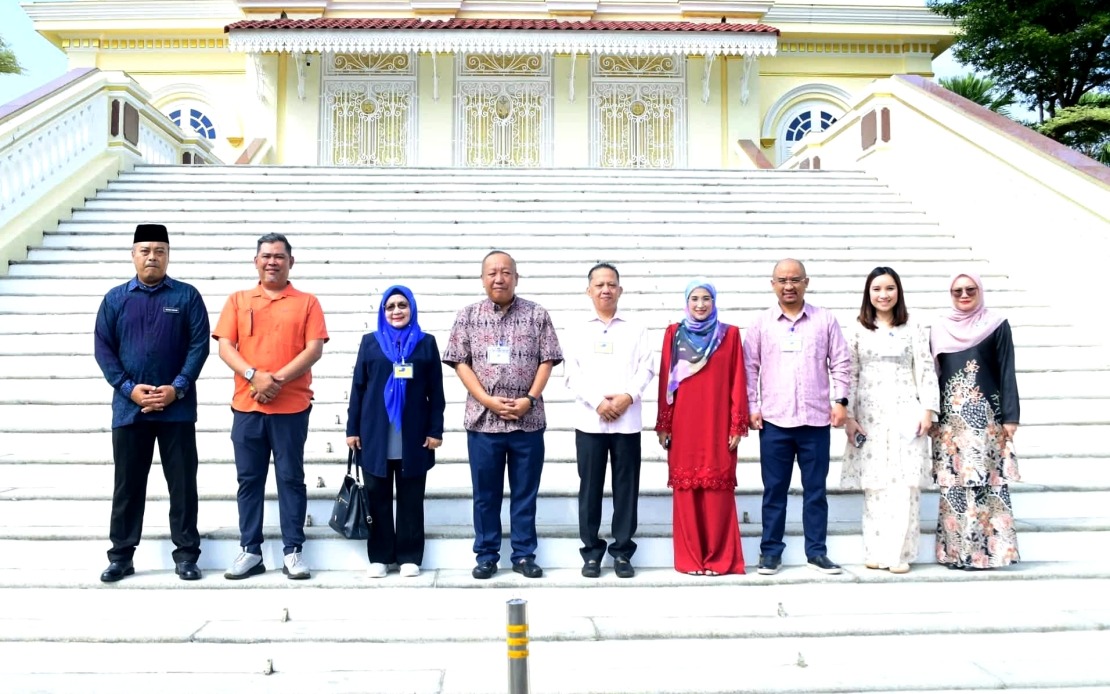
Sabah's Ministry of Tourism, Culture and Environment is moving to deepen its tourism partnership with Johor, signalling a coordinated approach to promoting Malaysian destinations both domestically and internationally. The initiative reflects recognition among state tourism bodies that collaborative frameworks can amplify marketing reach and create competitive advantages in an increasingly crowded global tourism marketplace. By aligning efforts between two geographically and culturally distinct regions, Sabah and Johor are testing a model that could become increasingly important for Malaysia's tourism recovery in the post-pandemic era.
Datak Jafry Ariffin, Sabah's Minister of Tourism, Culture and Environment, framed the cooperation as serving dual purposes: strengthening Malaysia's domestic tourism flows while simultaneously preparing infrastructure and promotional machinery for Visit Sabah Year 2027. This upcoming tourism campaign represents a significant investment in regional branding, and preliminary coordination with Johor suggests state governments recognise that international visitor perceptions often encompass broader Malaysian experiences rather than isolated destinations. Cross-state promotion allows both regions to position themselves within a more compelling national narrative.
The cooperation extends beyond traditional promotional channels into substantive operational collaboration. Officials from both territories have engaged in discussions centring on cross-promotion mechanisms, collaborative product development, and refined destination marketing approaches. This indicates the partnership has moved beyond ceremonial bilateral exchanges into concrete planning phases where both states can identify complementary offerings. Johor's established beach and cultural tourism infrastructure could effectively complement Sabah's biodiversity and adventure tourism positioning, creating diverse options for regional tour packages.
A particularly noteworthy component involved Sabah delegation visits to Johor's heritage institutions, including the Muzium Diraja Abu Bakar at Istana Besar Johor. This institutional learning exchange suggests Sabah is actively studying Johor's approaches to heritage preservation and museum management. The visit underscores that tourism cooperation increasingly encompasses knowledge transfer regarding conservation practices, curatorial standards, and the broader challenge of monetising cultural assets whilst maintaining historical integrity.
Sabah's emphasis on heritage conservation carries strategic significance given the state's positioning within Malaysia's tourism landscape. Whilst Sabah commands considerable international attention for natural attractions—rainforests, diving sites, Mount Kinabalu—there remains underexploited potential in cultural tourism. By formalising expertise-sharing arrangements with Johor, which operates successful heritage institutions serving both domestic and international visitor bases, Sabah can develop its own cultural tourism offerings with reduced risk of operational missteps. This represents prudent institutional capacity-building rather than pure competition.
The tourism sector constitutes an increasingly critical economic pillar for both Malaysian states, a reality amplified by regional competition from Thailand, Indonesia, and Vietnam. Sabah's strategy to elevate cultural tourism alongside nature-based offerings reflects understanding that modern tourism demand encompasses multifaceted experiences. Visitors increasingly seek destinations offering integrated itineraries combining environmental experiences, cultural immersion, and heritage engagement. By developing these dimensions simultaneously, Sabah positions itself against comparable regional competitors offering similar natural landscapes.
For Malaysian tourism policy more broadly, the Sabah-Johor partnership demonstrates how devolved tourism governance can generate productive collaboration when state governments prioritise collective advancement alongside competitive differentiation. This contrasts with potential zero-sum approaches where states view each other primarily as market competitors. The cooperation model, if successful, could encourage similar arrangements between other state tourism boards, potentially creating a more cohesive Malaysia tourism brand internationally whilst allowing individual regions to maintain distinct identities.
Visit Sabah Year 2027 represents a critical promotional moment requiring sustained preparation across multiple operational dimensions. By initiating coordination now—five years ahead of the campaign—state authorities signal commitment to adequate planning horizons. International tourism marketing typically requires multi-year lead times to achieve significant visitor influx increases, meaning early-stage partnerships directly influence ultimate campaign success. Johor's experience running major promotional campaigns provides valuable reference points for Sabah's planning teams.
The emphasis on sharing best practices in heritage management addresses a genuine vulnerability within Southeast Asian tourism development. Rapid visitor growth can damage fragile cultural sites and museums without proper curatorial oversight and conservation protocols. By learning from Johor's established systems, Sabah can implement protective measures proactively rather than responding to deterioration after it occurs. This reflects maturation in tourism planning philosophy, recognising that sustainability directly affects long-term destination viability and appeal to quality-conscious international visitors.
For Malaysian tourism stakeholders broadly, this partnership signals that state-level coordination increasingly shapes national competitiveness. As Southeast Asian nations vie for regional and international visitor share, Malaysia's ability to present coherent yet diverse offerings through well-coordinated state initiatives becomes strategically important. Sabah and Johor's cooperation suggests recognition that fragmented promotional efforts underutilise Malaysia's considerable tourism assets. Enhanced institutional coordination potentially unlocks economic value currently dispersed across disconnected marketing channels.

