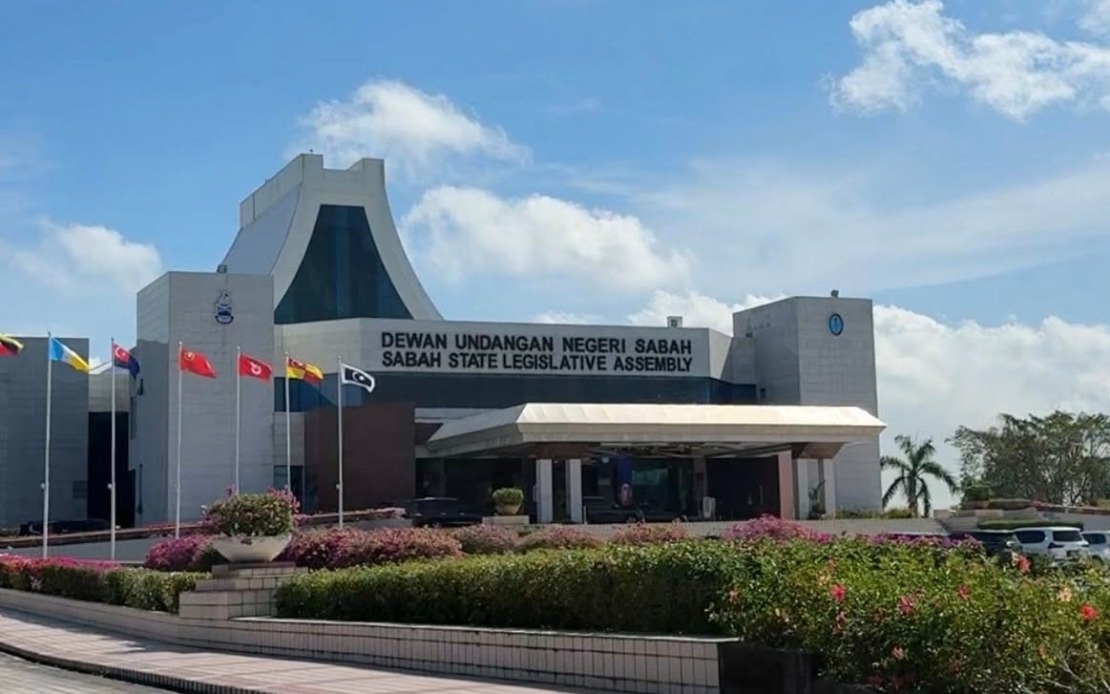
The Sabah State Legislative Assembly has approved a RM1.61 billion supplementary supply allocation for 2026, marking a significant injection of additional resources into the state's budget following extensive deliberation among legislators. The measure received overwhelming parliamentary support through a majority voice vote, moving forward under the stewardship of Sabah State Legislative Assembly Deputy Speaker Datuk Al Hambra Tun Juhar. This development reflects the government's commitment to addressing fiscal needs across multiple sectors as the state navigates economic priorities and development objectives for the coming year.
Deputy Chief Minister II and State Finance Minister Datuk Seri Masidi Manjun tabled the supplementary bill yesterday, initiating a debate process that engaged 42 state assemblymen in detailed scrutiny of the proposed expenditure. The assembly's approval came after lawmakers examined how the additional funds would be deployed across various government priorities. This legislative engagement underscores the importance placed on transparent budget discussions within Sabah's parliament, where representatives from different constituencies voiced concerns and support for the allocation.
The RM1.61 billion package is structured across six distinct spending categories, each targeting specific government functions and development areas. The largest component, amounting to RM856 million, flows toward statutory fund contributions—mandatory payments often related to pension obligations, employee benefits, and established financial commitments that the state government must honour. These statutory expenditures form the backbone of responsible fiscal management, ensuring that long-term obligations to public sector workers and retirees are met consistently.
Operating expenditure receives RM278 million from the supplementary allocation, supporting the day-to-day running costs of government ministries, departments, and state agencies. This funding category covers salaries, utilities, maintenance of government facilities, and administrative operations essential for delivering public services across Sabah's diverse population and vast geography. Without adequate operating budgets, state institutions struggle to maintain service quality, making this allocation crucial for sustaining government effectiveness.
Development expenditure accounts for RM210 million of the supplementary bill, channelled toward infrastructure projects, capital improvements, and long-term investments that enhance the state's economic capacity. This spending category typically encompasses road construction, upgrading of healthcare facilities, educational infrastructure expansion, and other projects designed to boost competitiveness and living standards. For a state like Sabah, with its focus on economic diversification beyond resource extraction, such development investments carry strategic importance.
Administrative expenditure totals RM162 million, funding the essential support functions that enable government operations—from office supplies and technology systems to training programmes and professional services. This category, though sometimes less visible than development spending, represents the operational glue holding state administration together. Adequate administrative funding ensures efficiency and prevents bottlenecks in service delivery.
State grants comprising RM93 million are allocated through the supplementary bill, typically directed toward local authorities, educational institutions, or specialised programmes serving specific populations. These grants allow the state government to support local councils in delivering municipal services, provide scholarships or educational support, or fund community-based initiatives. The distribution mechanism for these grants reflects the state government's priorities in regional development and social support.
Rounding out the allocation, RM13 million is reserved for special allocations—discretionary funds often deployed for emergency responses, unforeseen contingencies, or time-sensitive initiatives that did not feature in the original budget. Such provisions offer government the flexibility to respond to natural disasters, urgent infrastructure repairs, or other pressing needs that emerge throughout the fiscal year.
The passage of this supplementary bill demonstrates Sabah's ongoing fiscal engagement with emerging needs and opportunities. State governments across Malaysia frequently utilise supplementary supply bills to address budget pressures that emerge after initial appropriations are passed, whether due to inflation, increased service demands, or new policy initiatives requiring immediate funding. For Sabah, whose economy combines traditional sectors like agriculture and forestry with emerging industries such as renewable energy and digital services, such flexibility in budget allocation supports adaptive governance.
The approval comes as the Sabah State Legislative Assembly prepares to resume its sitting tomorrow, indicating a busy legislative calendar ahead. The assembly's capacity to process substantial financial measures such as this RM1.61 billion allocation reflects the institutional maturity of Sabah's parliament, though it also suggests growing fiscal complexity in state governance. The engagement of 42 assemblymen in debate indicates broad legislative participation in scrutinising public expenditure—a healthy sign for parliamentary oversight in the state.
For Malaysian observers, Sabah's supplementary budgeting process carries relevance beyond the state itself. As one of Malaysia's larger and economically significant states, Sabah's fiscal decisions influence intergovernmental fiscal relations and provide insights into how resource-rich regions manage their budgets. The composition of this supplementary allocation—emphasising both recurrent obligations through statutory contributions and investment through development spending—reflects a balanced approach to fiscal responsibility that balances immediate operational needs with long-term growth aspirations.
The RM1.61 billion supplementary allocation, when examined alongside Sabah's overall budget framework, illuminates the state's spending priorities during a period of economic transition. The emphasis on statutory obligations ensures existing commitments are honoured, while development and operating allocations signal continued investment in service delivery and infrastructure. This balanced approach suggests the Sabah government is pursuing a measured fiscal strategy rather than prioritising short-term gains over sustainable growth.

