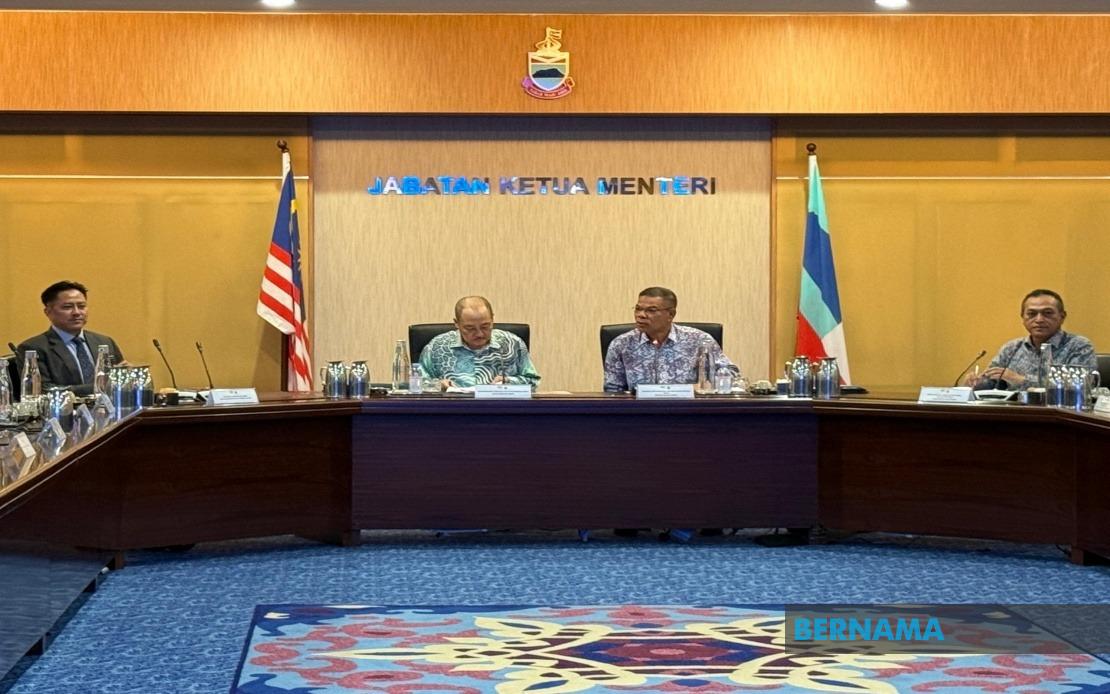
Sabah is mounting a concerted diplomatic campaign to persuade foreign governments to recalibrate their travel warnings for the state's eastern region, with Chief Minister Datuk Seri Hajiji Noor arguing that sustained security improvements warrant a reassessment by international diplomatic missions. Speaking after chairing the Eastern Sabah Security Zone Joint Committee meeting alongside Home Minister Datuk Seri Saifuddin Nasution Ismail, Hajiji stressed the importance of direct engagement with foreign embassies and high commissions to communicate the tangible gains in regional stability that have accumulated over recent years.
The appeal addresses a persistent challenge facing Sabah's tourism industry: the lingering impact of outdated security assessments that continue to deter international visitors despite significant improvements on the ground. Many Western nations maintain elevated travel warnings for parts of Eastern Sabah based on historical security incidents, particularly kidnappings that plagued the region in the 2000s and 2010s. These advisories function as informal but powerful barriers to tourism development, as travellers consult them before booking holidays, and travel insurance policies often become prohibitively expensive or unavailable for regions flagged as high-risk.
The centrepiece of Sabah's case rests on a remarkable security achievement: the complete absence of kidnap-for-ransom incidents across Eastern Sabah since January 2020, a six-year streak that reflects the coordinated efforts of the Eastern Sabah Security Command (ESSCOM) and partner security agencies. This milestone represents a fundamental shift from the early 2010s, when such abductions constituted a genuine threat to the region's development and international reputation. The zero-kidnapping record is not a statistical quirk but the result of systematic improvements in maritime surveillance, intelligence gathering, and inter-agency coordination spanning multiple administrations.
Hajiji's personal inspection of six islands in Sabah waters underscores the state government's hands-on commitment to validating security improvements. By visiting security posts and assessing operational readiness directly, the Chief Minister gathered first-hand evidence of enhanced infrastructure and personnel deployment. This ground-level approach provides the kind of concrete observations that can strengthen diplomatic discussions with foreign missions, moving beyond statistics to demonstrate visible, sustained investment in border security and regional stability.
The involvement of Home Minister Datuk Seri Saifuddin Nasution Ismail in co-chairing the ESS Zone Joint Committee meeting signals federal government backing for the diplomatic initiative. This alignment between state and federal authorities indicates that Sabah's appeal for travel advisory reassessment carries the weight of Malaysia's broader security establishment. The Home Ministry's participation suggests that any diplomatic outreach will be coordinated at the national level, potentially leveraging Malaysia's diplomatic channels more effectively than state-level efforts alone could achieve.
For Malaysian policymakers, the travel advisory issue exemplifies a broader challenge: how to translate genuine security improvements into international perception change. Foreign government travel warnings, once issued, acquire institutional inertia. They require sustained evidence and active diplomacy to reverse, particularly when earlier incidents created headline-grabbing international stories. The Sabah case demonstrates that even six years of incident-free operations may prove insufficient without deliberate diplomatic effort to reset perceptions among key source markets for tourism.
The regional implications extend beyond Sabah's borders. Eastern Malaysia's development prospects depend partly on international confidence in security conditions. If diplomatic efforts succeed in lowering travel advisories for Sabah, the precedent could benefit other Southeast Asian regions working to overcome historical security stigmas. Conversely, continued high-level warnings despite improved conditions risk reinforcing narratives about chronic instability that extend beyond the specific security issues originally prompting the advisories.
The security agencies being commended—ESSCOM, the Royal Malaysia Police, the Malaysian Armed Forces, and the Malaysian Maritime Enforcement Agency—have implemented several operational enhancements that merit international recognition. These include strengthened surveillance of maritime approaches, improved intelligence sharing between naval and police forces, and enhanced community-based security networks in vulnerable coastal areas. These developments represent institutional learning from past security challenges and deserve greater visibility in international security assessments.
Sabah's tourism economy remains below its potential partly because of perception gaps between security realities and international warnings. The state possesses significant attractions—pristine islands, diving opportunities, and cultural experiences—yet struggles to compete with regional destinations perceived as safer despite comparable security conditions. Narrowing this perception gap could unlock substantial economic benefits through increased visitor arrivals, hotel occupancy, and ancillary tourism spending.
The diplomatic push also reflects Malaysia's broader efforts to position itself as a stable, secure destination within Southeast Asia. Tourism is a significant foreign exchange earner for Malaysia, and negative travel advisories for any region carry costs beyond the affected state, potentially influencing visitor decisions across the country. Federal-state coordination on travel advisory reassessment therefore serves national economic interests alongside Sabah's specific development goals.
Moving forward, success will require sustained diplomatic engagement rather than one-time appeals. Foreign embassies base advisory decisions on multiple sources including media reporting, intelligence assessments, and consultations with their nationals. Changing these multi-layered evaluations demands consistent messaging, regular security briefings, and engagement with international media to reshape narratives about Eastern Sabah's current conditions relative to its past challenges.

