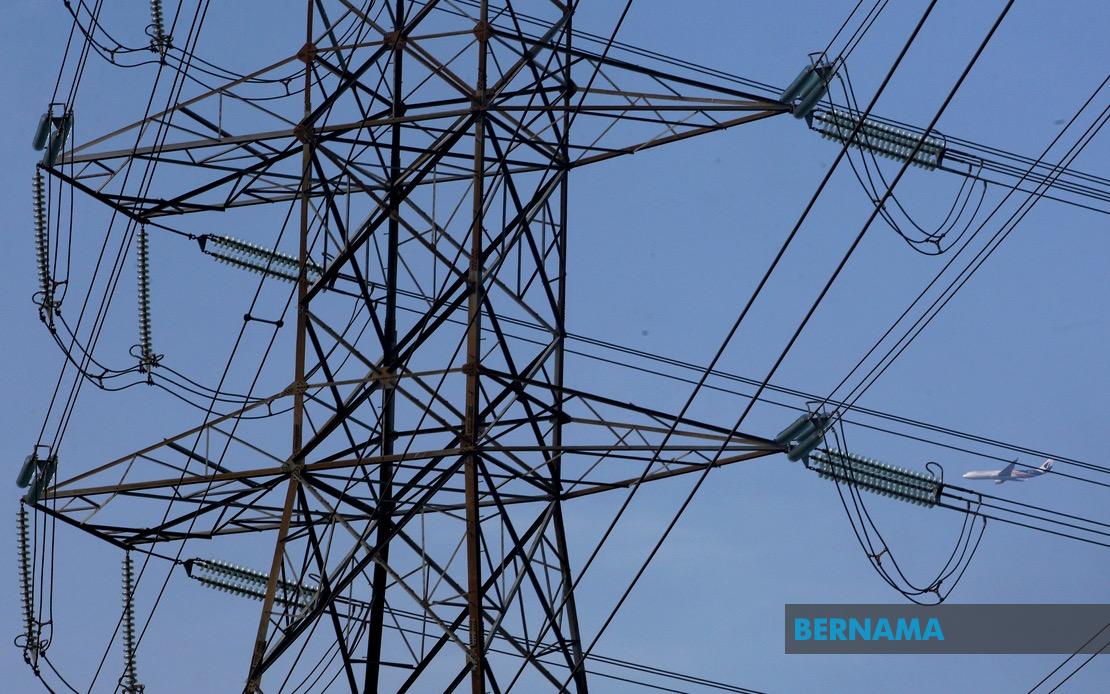
Sabah Electricity has commenced scheduled power rationing across multiple locations throughout the state, a move prompted by falling generation capacity resulting from disrupted gas supplies feeding several thermal power stations. The utility announced the measure on June 29, citing the need to manage the state's electrical grid during a period of constrained capacity and elevated system risk.
The announcement represents a significant operational challenge for Sabah's energy infrastructure. The gas supply interruptions have compressed the state grid's reserve margin—the cushion between peak demand and available supply—forcing operators to implement load-shedding protocols to preserve overall system integrity. Without such managed reductions, the company warns that uncontrolled blackouts across broader areas could occur, creating far more disruptive consequences for households, businesses, and essential services.
Sabah Electricity has characterised the rationing as a temporary expedient rather than a long-term solution. Company officials indicated that once generation capacity recovers and the grid stabilises sufficiently, the rolling blackouts will cease. The utility is simultaneously engaging with relevant stakeholders to accelerate restoration of normal operations, recognising the economic and social impact of sustained power interruptions in a state where reliable electricity underpins commerce, healthcare, education, and daily life.
The incident underscores vulnerabilities in Sabah's energy supply chain, particularly its reliance on gas-fired generation. Unlike states with more diversified generation portfolios incorporating hydroelectric or renewable sources, Sabah's thermal power plants concentrate risk in a single fuel supply chain. Disruptions at critical points—whether at production facilities, transmission pipelines, or delivery infrastructure—can rapidly cascade into widespread supply shortfalls. This structural dependency merits serious consideration as the state plans its energy future.
For Malaysian readers across the peninsula, the Sabah situation offers instructive parallels to broader national energy security concerns. While Peninsular Malaysia benefits from more distributed generation capacity and interconnected networks, the underlying lesson applies universally: maintaining reliable electricity supply requires constant vigilance over fuel procurement, infrastructure maintenance, and system redundancy. Sabah's current challenges serve as a cautionary reminder of how quickly operational margins can erode when supply chains experience disruption.
Sabah Electricity has committed to optimising grid operations throughout the rationing period to minimise consumer impact. This involves sophisticated management of load distribution, prioritising supply to critical facilities such as hospitals and water treatment plants, and rotating outages across service areas to spread inconvenience as equitably as possible. However, the effectiveness of such mitigation depends partly on consumer cooperation and understanding of the circumstances.
The company has established communication protocols to keep the public informed about affected areas and schedule changes. The official Sabah Electricity Careline Facebook page will serve as the primary information channel, with additional support available through the 15444 telephone hotline. This multi-channel approach aims to ensure that consumers can access reliable updates without depending on rumour or unverified social media claims, which often proliferate during service disruptions and can fuel unnecessary panic.
Sabah Electricity has also issued a direct appeal to consumers to rely exclusively on official sources and to refrain from circulating unconfirmed information. Such messaging reflects hard-earned lessons from previous infrastructure crises, where misinformation spread rapidly online, undermining public confidence and complicating response efforts. By emphasising information discipline, the utility seeks to maintain social cooperation during a period of collective inconvenience.
The broader context of this disruption includes regional energy market dynamics that affect Sabah's power supply. As a peripheral state dependent on fossil fuel imports and facing geographic constraints on distribution infrastructure, Sabah occupies a precarious position within Malaysia's energy ecosystem. The state government and utility company must balance immediate operational challenges with strategic planning for greater energy resilience through infrastructure investment, supply chain diversification, and potentially expanded renewable energy capacity.
From an economic perspective, extended power rationing carries measurable costs. Manufacturing operations, cold storage facilities, retail establishments, and service businesses all suffer reduced productivity during outages. Small and medium enterprises, which form the backbone of Sabah's economy, often lack the backup generation capacity available to larger corporations, making them disproportionately vulnerable. The longer rationing persists, the more significant the cumulative economic impact becomes across the state.
Sabah Electricity's apology for inconvenience and gratitude for consumer patience represents standard crisis communication protocol, yet the sincerity of such appeals ultimately depends on how quickly the utility resolves the underlying gas supply issues. Consumers tolerate temporary disruptions more readily when they perceive management is acting decisively and transparently. Conversely, prolonged rationing without clear communication about resolution timelines erodes public trust and generates political pressure on both the utility and state government.
The incident also raises questions about regulatory oversight of Sabah's energy sector. The Public Utilities Board and other relevant authorities must examine whether current safeguards adequately protect against supply chain vulnerabilities and whether existing contingency plans prove adequate when major disruptions occur. These institutional conversations, occurring largely behind public view, will shape how Sabah responds to future energy challenges and whether similar crises can be prevented or better managed.

