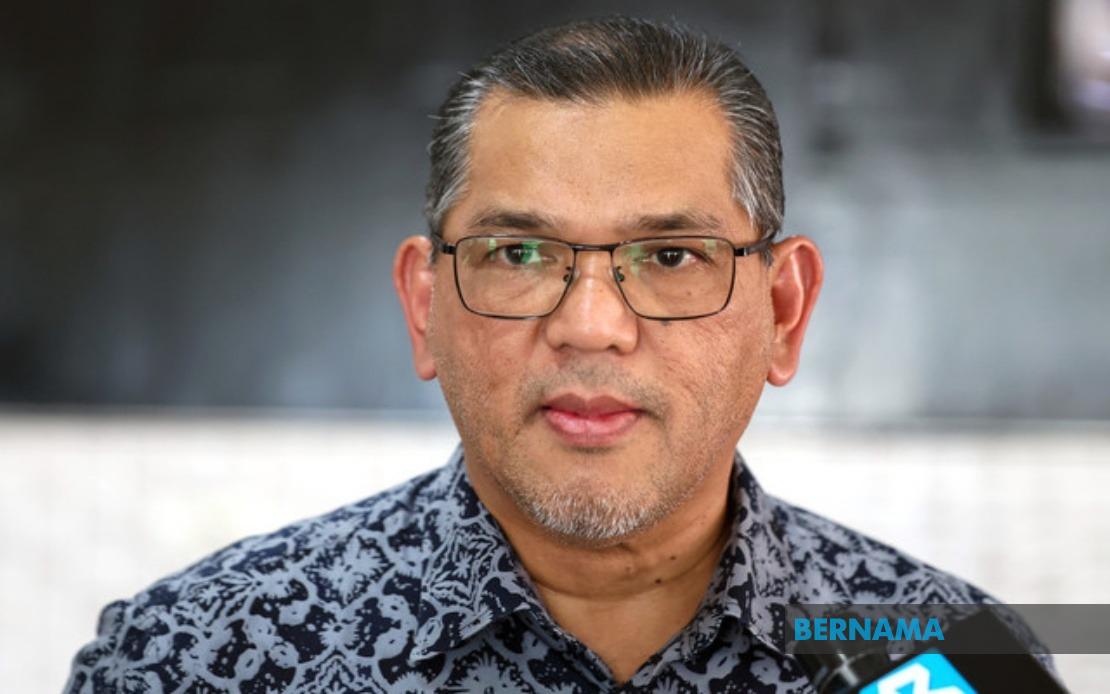
The Sabah Youth Entrepreneur Scheme (SYABAS) has emerged as a significant economic empowerment tool for young people across the state, having channelled RM21 million in support to 6,951 recipients since its establishment two years ago. Speaking in the State Legislative Assembly, Sabah Youth, Sports Development and Creative Economy Minister Datuk Nizam Abu Bakar Titingan highlighted the programme's role in catalysing entrepreneurship among young Sabahans, with particular emphasis on the diversity of ventures now flourishing under its framework.
The breadth of businesses supported demonstrates SYABAS's inclusive approach to youth economic participation. Recipients operate across sectors ranging from agricultural innovation to artisanal food production and personal care manufacturing. Notable examples showcased by the minister include Amran Jining of Keningau, who has developed a commercial hydroponic vegetable farming operation; Erliana Said of Tawau, whose bakery specialises in bread, cakes and pastries; and Sitti Fatimah Janna, who operates in the cosmetics industry. This sectoral diversity reflects both market demand and the programme's flexibility in supporting various entrepreneurial ambitions, from traditional food businesses to technology-enabled agriculture.
What distinguishes SYABAS from mere grant provision is its comprehensive support ecosystem. The scheme extends well beyond initial capital disbursement to encompass ongoing coaching, monitoring and capacity-building services designed to improve business viability and sustainability. This hands-on approach acknowledges that funding alone rarely determines entrepreneurial success; young business owners require mentorship, market access guidance and operational expertise to navigate competitive environments. By maintaining detailed recipient databases and delivering structured follow-up programmes, the ministry has created mechanisms to track outcomes and intervene where businesses face challenges.
The ambition embedded within SYABAS transcends individual business success stories. Several recipients have reportedly grown their enterprises to generate income in the millions, with some successfully exporting products to international markets. These achievements carry significance for Sabah's economic narrative, suggesting that youth-driven entrepreneurship can contribute meaningfully to the state's revenue generation and global market presence. The examples chosen for public mention serve both inspirational and evidential purposes, demonstrating that the scheme's investments yield measurable economic returns.
The Nabawan state constituency illustrates the programme's geographic reach, with 64 young entrepreneurs receiving assistance within that single electoral district. This distribution across multiple constituencies indicates that SYABAS has penetrated beyond urban centres, reaching young business aspirants in varying geographic and socioeconomic contexts. Such geographic spread is particularly meaningful for a state like Sabah, where dispersed population centres and logistics challenges can hinder entrepreneurial activity without targeted support.
Strategic partnerships constitute another pillar of SYABAS's operational architecture. The ministry has forged collaborations spanning government agencies, training institutions and private sector entities to expand the ecosystem in which young entrepreneurs operate. These partnerships theoretically create pathways for training access, employment opportunities and supply chain integration across multiple economic sectors including tourism, agriculture, manufacturing, construction, logistics, aquaculture, fisheries, digital services and the creative economy. By positioning young entrepreneurs within broader sectoral value chains rather than as isolated ventures, SYABAS attempts to anchor sustainable growth prospects.
Complementing youth entrepreneurship efforts, Sabah is simultaneously leveraging tourism as an economic development strategy through its Visit Sabah Year 2027 campaign. Assistant Minister for Tourism, Culture and Environment Dr Andi Md Shamsureezal Mohd Sainal emphasised that this initiative represents more than a promotional exercise; it constitutes a deliberate mechanism for inclusive economic growth spanning multiple sectors. The campaign's structure deliberately incorporates value-chain components including accommodation, transport, food and beverage services, handicrafts and community-based tourism offerings, creating multiple points of economic engagement rather than concentrating benefits among large hospitality operators.
The strategic integration of tourism and youth entrepreneurship suggests emerging policy coherence within Sabah's economic development framework. Young entrepreneurs operating bakeries, cosmetics businesses, agricultural ventures or handicraft enterprises stand positioned to supply services and products demanded by tourism infrastructure and visiting consumers. A coordinated approach linking SYABAS recipients to Visit Sabah Year 2027 initiatives could multiply benefits by providing young businesses with ready market access and volume opportunities unavailable through domestic channels alone.
The four-pillar structure anchoring Visit Sabah Year 2027—culture, adventure, nature and sustainability—indicates environmental and social consciousness alongside commercial objectives. This framework acknowledges that sustainable tourism development requires community participation, cultural preservation and ecological stewardship, creating potential alignment with youth businesses emphasising local products and authentic experiences. The emphasis on building inclusive economic growth at grassroots levels rather than concentrating tourism revenues within large corporate structures creates openings for small and medium enterprises and community-based operators.
Implementation rigour appears crucial to translating these ambitious frameworks into tangible outcomes. Ongoing engagement sessions between the tourism ministry and industry stakeholders aim to refine programmes and operational details. The Sabah Tourism Board is undertaking targeted promotion, local package marketing, market access expansion for small operators and incentive provision—activities that directly support the ecosystem within which SYABAS recipients operate. Such coordinated support suggests recognition that young entrepreneurs require not only capital but also market visibility, regulatory support and competitive positioning assistance.
For Malaysian policymakers observing developments in Sabah, the integration of youth entrepreneurship and tourism-led development offers instructive lessons. States seeking to diversify economic bases while addressing youth employment challenges might replicate elements of SYABAS's comprehensive support model. The emphasis on ongoing capacity building, strategic partnerships and sectoral integration rather than one-off grant provision represents a more sophisticated approach than transactional entrepreneurship funding. Similarly, positioning small and medium enterprises within broader economic campaigns rather than treating them as secondary participants acknowledges their potential to drive inclusive growth.
The long-term success of these initiatives remains contingent on sustained implementation, monitoring and adaptive management. With Visit Sabah Year 2027 campaign details expected by year-end and SYABAS continuing to onboard new recipients, the next phase will determine whether initial momentum translates into durable economic transformation. The visibility of success stories serves current political purposes, yet true impact measurement requires tracking recipient business longevity, employment generation, revenue contribution and poverty reduction outcomes across broader recipient populations rather than relying solely on highlighted exemplars.

