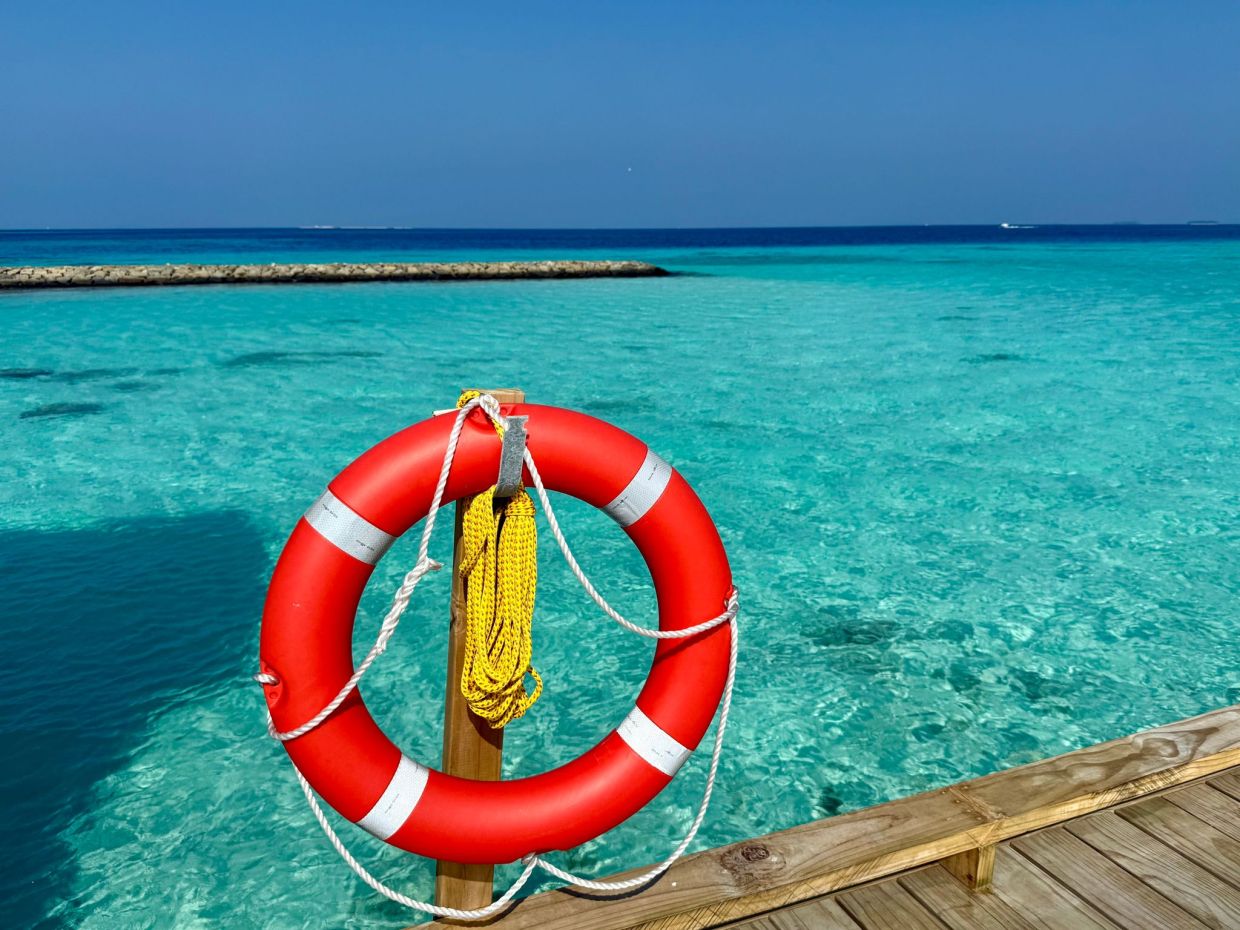
The allure of swimming in natural bodies of water—whether a pristine lake, flowing river, or inviting coastline—represents one of summer's most appealing pleasures. Yet this seemingly straightforward recreational activity conceals genuine dangers that claim lives each year, particularly among those who believe their swimming ability places them beyond risk. The discrepancy between perceived and actual competency remains the most critical factor in open-water swimming accidents, according to experts in water safety management.
Peter Dawes, general manager lifeguard operations at Royal National Lifeboat Institution (RNLI), emphasises that swimmers frequently misjudge both their capabilities and the environment's hazards. A common miscalculation involves temperature: visitors assume that warm air translates to warm water, yet bodies of water retain cold temperatures regardless of ambient conditions. This cold-water shock catches countless swimmers unprepared, potentially triggering involuntary gasping and panic responses that can be fatal within seconds. Understanding this fundamental disconnect between expectation and reality forms the foundation of water safety awareness.
Before entering any open-water environment, swimmers should invest time in gathering detailed information about prevailing conditions and forecasted weather patterns. For coastal swimming, understanding tidal movements becomes essential, as tides dramatically alter water dynamics and beach geography throughout the day. Those visiting established beaches should seek out lifeguards and engage them in conversation about specific hazards—information that could prove lifesaving. Lifeguarded locations represent considerably safer choices than unmonitored sites, primarily because trained professionals can identify emerging dangers and respond to emergencies with proven expertise and equipment.
The hazard landscape varies between coastal and inland waters, yet both environments demand systematic risk assessment. At beaches, rip currents rank among the most dangerous and frequently misunderstood phenomena, capable of pulling even strong swimmers away from shore. Inland waterways present entirely different threats: poor visibility typically prevents swimmers from seeing submerged obstacles such as tree roots, fallen branches, discarded objects, and other debris that could cause serious injury. Awareness of environmental fluctuations—sudden weather changes, temperature variations, and unexpected depth shifts—proves equally vital in both settings.
The red and yellow flags demarcating official swimming zones on patrolled beaches represent far more than arbitrary boundaries. Lifeguards strategically position these markers in areas they have assessed as relatively safe, often placing them on stable sandbanks where conditions remain manageable. Outside these designated zones, rip currents and other dangerous conditions may exist mere metres away. Furthermore, lifeguards concentrate their surveillance and rescue capabilities within flagged areas, meaning swimmers who venture beyond this perimeter forfeit the protective benefit of constant monitoring. Group swimming substantially enhances safety through mutual awareness and faster emergency response, making the decision to stay together throughout water sessions genuinely consequential.
Young children require particularly vigilant supervision, extending well beyond watching from the beach. Dawes recommends maintaining constant physical proximity—within arm's length at all times—to enable immediate intervention if a child becomes distressed or loses footing. Visual identification becomes equally important; dressing small children in bright, conspicuous clothing markedly improves the likelihood of spotting them quickly amid the complex visual environment of water and crowds. This combination of proximity and visibility creates overlapping layers of protection that significantly reduce drowning risk, the leading cause of unintentional injury death for children globally.
The method of water entry fundamentally influences safety outcomes and should never be rushed. Jumping or diving into unfamiliar water creates multiple dangers: rapid temperature change can trigger cold-water shock responses, while fast entry prevents detection of underwater hazards that gradual immersion might reveal. Slow, deliberate acclimatisation allows the body to adjust to temperature gradients, breathing patterns to stabilise, and eyes to detect potential obstacles. Some swimmers benefit from wearing wetsuits, which provide thermal protection while building confidence. Before entering, swimmers should mentally map their exit strategy, identifying exactly where they will leave the water, ensuring that departure routes remain equally safe and accessible as entry points.
Despite comprehensive precautions, emergencies occasionally occur. The most effective survival technique involves floating on one's back, a skill that requires practice in controlled pool environments before relying on it in open water. Effective back-floating—head tilted slightly back with ears submerged, body positioned as horizontally as possible—keeps the airway above water, allowing continued breathing while conserving energy. This position provides psychological reassurance and physical stability, enabling swimmers to maintain composure while awaiting rescue rather than expending dangerous energy through panicked thrashing. The mental component cannot be overemphasised: training the body to float calmly represents genuine survival insurance.
Observing swimmers in distress demands specific action protocols. Immediate emergency service activation provides professional response, with coastal locations requiring coastguard assistance while inland waterways necessitate fire and rescue service deployment. Bystanders should avoid entering water to rescue struggling swimmers unless they possess formal training, as untrained rescuers frequently become secondary victims. Instead, CPR knowledge, rescue equipment availability, and rapid professional responder notification create the most effective response framework. These preparations transform passive beach observation into active safety participation, creating community-wide protection networks.
For Malaysian swimmers and regional visitors, these principles carry particular resonance given the country's abundant water attractions and year-round swimming season. Coastal areas around Peninsular Malaysia, Sabah, and Sarawak experience dynamic tidal patterns and occasional rip currents that surprise visitors accustomed to calmer waters. Popular river and waterfall swimming locations attract tourists who underestimate the power of flowing water and submerged obstacles. Lake swimming in highland resorts presents different hazards including sudden depth changes and water temperature variations. The tropical climate's year-round warmth creates dangerous psychological disconnect, leading swimmers to underestimate water-based risks because conditions feel seasonally inviting.
Local knowledge matters considerably in Southeast Asian contexts. Monsoon seasons significantly alter water conditions across the region, introducing unpredictable currents and reduced visibility. Many popular swimming destinations lack lifeguard coverage, placing responsibility entirely on individual swimmers and their companions. Visitors unfamiliar with regional waters should consult local residents, resort staff, or tourism authorities about current hazards before entering unfamiliar water bodies. This cultural adaptation of water safety principles—combining Western expert guidance with localised knowledge—enables safer enjoyment of the region's remarkable aquatic environments.
Implementing these safety measures requires neither extraordinary effort nor disproportionate sacrifice of enjoyment. Rather, systematic hazard awareness and deliberate precautions transform swimming from a potentially dangerous gamble into a thoroughly pleasurable and appropriately managed recreational pursuit. Families who internalise these principles—combining pre-visit research, strategic location selection, constant supervision, mindful entry techniques, and emergency response knowledge—can confidently embrace the restorative benefits of open-water swimming throughout the year.

