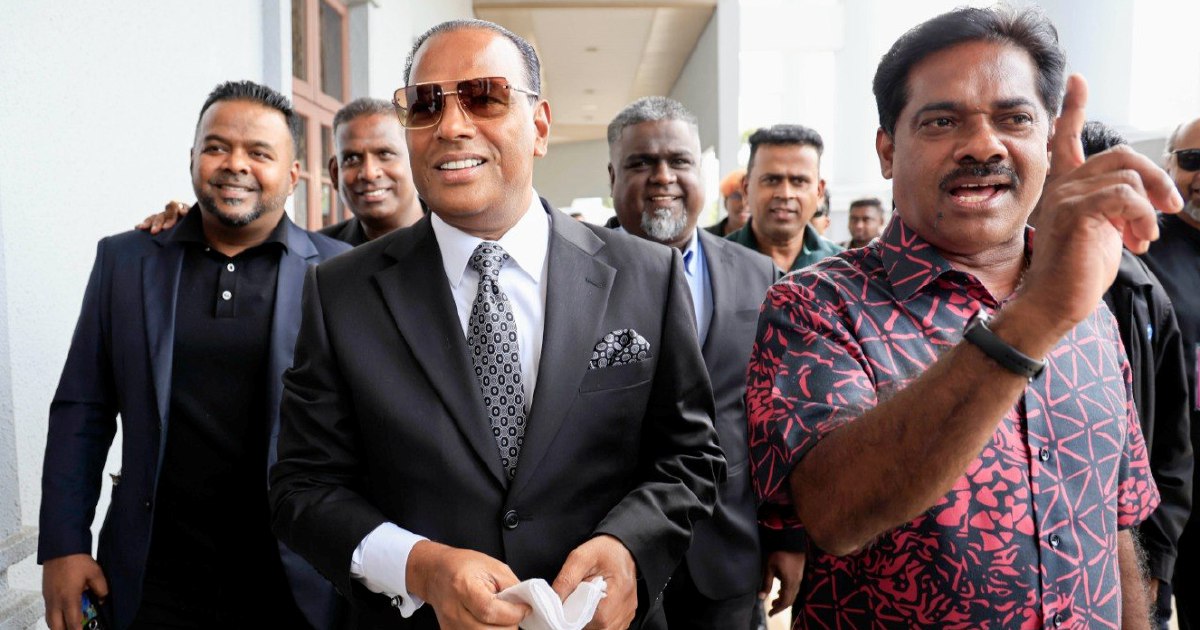
Datuk Seri M. Saravanan, who previously served as Human Resources minister, has rejected multiple corruption charges filed against him, characterizing the allegations as baseless accusations without merit. The former minister faces three separate counts of allegedly accepting RM1.097 million in bribes, offences that carry significant legal consequences under Malaysia's anti-corruption framework.
In his public response, Saravanan employed strong language to distance himself from the charges, labeling them as a "wild accusation" that he believes do not reflect the truth of his conduct during his tenure in government. This categorical denial sets the stage for what is likely to be a protracted legal proceeding, particularly given the substantial amount of money involved in the allegations and the seriousness with which Malaysian authorities treat corruption matters.
The case comes at a time when Malaysia's anti-corruption efforts remain under intense scrutiny both domestically and internationally. The Malaysian Anti-Corruption Commission, which investigates such matters, has previously emphasized its commitment to pursuing high-profile figures irrespective of their political standing or previous government positions. The charges against Saravanan represent another high-stakes test of whether accountability mechanisms function consistently across different sectors and levels of government.
For context, the Human Resources ministry oversees crucial employment regulations, workplace standards, and labour policies that directly affect Malaysia's workforce of millions. Any allegation involving a former minister in this portfolio inevitably raises broader questions about governance integrity in agencies responsible for protecting workers' interests and administering national employment frameworks.
Saravanan's outright rejection of the charges is strategically significant in Malaysian political discourse. Former officials facing legal action typically employ one of several approaches: complete denial, technical rebuttals, or appeals to procedural irregularities. His choice of language suggests a defensive posture aimed at maintaining his political viability and public credibility, particularly among constituents or party members who may view him as a victim of prosecutorial overreach.
The allegation involves sums substantial enough to warrant serious investigative attention and formal charges. RM1.097 million represents a considerable quantum that, if proven, would demonstrate a pattern of financial impropriety rather than isolated indiscretions. The prosecution must therefore establish not only that bribes were received but also that Saravanan knowingly accepted them in exchange for specific governmental favours or actions.
Malaysia's legal system requires that corruption charges be proven beyond reasonable doubt, placing significant evidentiary burdens on prosecutors. The Anti-Corruption Commission would need to demonstrate clear links between payments received and official acts undertaken, whether through documentary evidence, witness testimony, or financial transaction records. Saravanan's defence will likely challenge the sufficiency and reliability of such evidence during trial proceedings.
The case also carries implications for Malaysia's international reputation regarding rule of law and anti-corruption governance. Observers in Southeast Asia and beyond frequently assess countries based on their willingness to pursue corruption allegations against high-ranking officials without political interference. The manner in which Malaysian courts handle this case will contribute to perceptions about whether the country's judicial system operates independently and impartially.
For the broader Malaysian public, the proceedings represent yet another chapter in ongoing controversies surrounding governance standards in recent administrations. Citizens increasingly demand transparency and accountability from former officials, and high-profile corruption cases dominate news cycles and water-cooler conversations. The visibility of such cases, regardless of ultimate outcomes, shapes public confidence in institutional integrity.
Saravanan's categorical denial positions him for a vigorous courtroom defence, but the practical consequences of facing corruption charges extend beyond legal dimensions. Professional reputation, political viability, and social standing all face potential damage through association with serious allegations, regardless of eventual acquittals. The former minister's challenge will involve convincing a court of his innocence while managing the collateral impacts of such high-profile prosecution.
The timeline and procedural complexity of corruption cases in Malaysia mean that final resolution may require months or years of legal proceedings. During this period, Saravanan will operate under the shadow of these charges, with every statement and action subject to interpretation through the lens of the allegations. His insistence that accusations are baseless represents an opening gambit in what promises to be a substantial legal battle.
Ultimately, the outcome of this case will depend on evidence presented during trial and judicial interpretation of that evidence according to established legal standards. Whether Saravanan's characterization of the charges as wild accusations proves accurate will be determined in court rather than through public proclamation. The case underscores ongoing tensions within Malaysia's governance landscape between anti-corruption imperatives and the interests of former officials contesting serious allegations.

