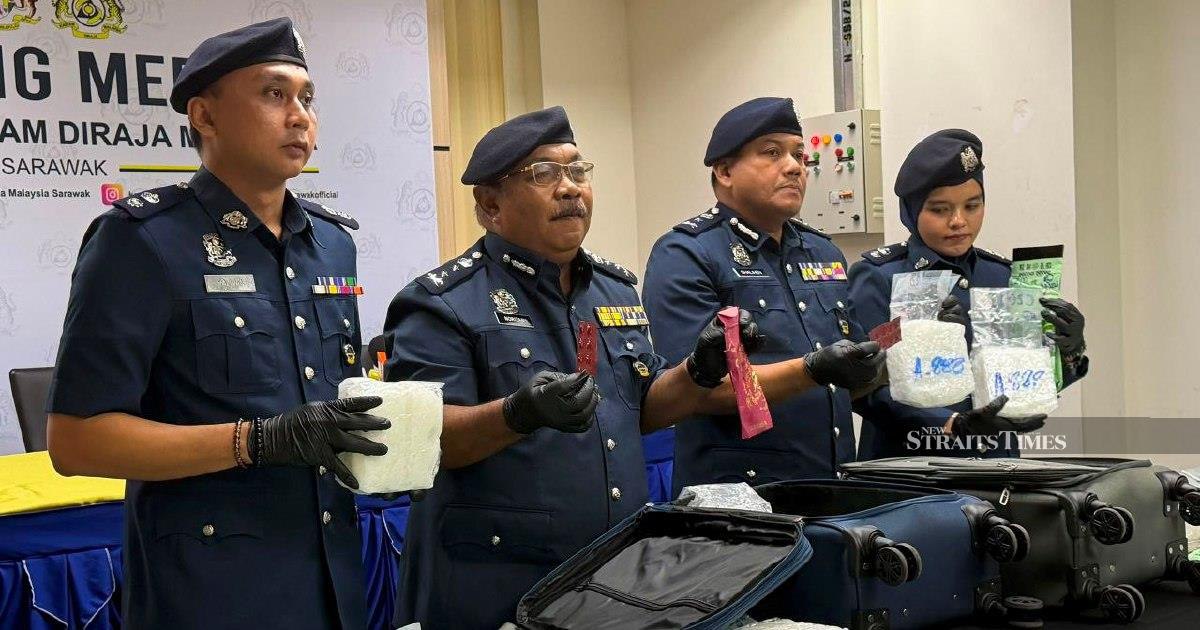
Authorities in Sarawak have successfully intercepted a major drug smuggling operation at Kuching International Airport, marking another significant enforcement victory in the region's ongoing battle against narcotics trafficking. The Sarawak Customs Department announced the seizure of contraband valued at RM1.32 million during an operation on July 9, with two men taken into custody in connection with the attempted importation scheme.
The successful interception underscores the critical role that vigilant customs screening plays in preventing drug trafficking through Malaysia's international gateways. Kuching International Airport, serving as one of Sarawak's primary transportation hubs, experiences substantial passenger and cargo traffic daily, making it an attractive target for smugglers attempting to move illicit substances into the state. Customs officers working at the facility maintain continuous surveillance protocols designed to identify suspicious cargo, passengers, and behaviour patterns that may indicate smuggling attempts.
Drug trafficking through Malaysian ports of entry remains a persistent challenge for law enforcement agencies across the country. The geographic location of Sarawak, sharing maritime borders with Brunei and proximity to major trafficking routes in the region, positions the state as both a transit point and consumption market for narcotics. International criminal networks have repeatedly attempted to exploit air transport routes as faster alternatives to maritime smuggling, necessitating heightened customs vigilance at airports throughout the country.
The July 9 operation demonstrates the effectiveness of targeted enforcement operations at international airports. Customs personnel deployed advanced screening techniques and intelligence-led approaches to identify the contraband before it could be distributed into Sarawak's communities. The coordination between customs officers and other relevant agencies ensures that suspected smuggling attempts receive immediate investigation and appropriate legal action.
The arrest of the two suspects initiates a criminal investigation that will examine the broader network behind the smuggling attempt. Authorities typically investigate the source of the drugs, intended distribution channels, and financial beneficiaries of such operations. Understanding these networks helps law enforcement agencies dismantle organised trafficking groups operating across state and national borders.
Sarawak's customs operations have intensified enforcement activities in recent years, recognising the escalating sophistication of smuggling techniques employed by criminal organisations. Traffickers increasingly employ concealment methods involving parcels, luggage compartments, and merchandise containers that require skilled detection work. The successful identification of this shipment reflects the training and experience of customs personnel working in challenging operational environments.
The seizure carries significant implications for broader drug policy in Malaysia. Each successful interdiction reduces the volume of narcotics entering circulation and generates valuable intelligence about trafficking methods and routes. Cumulative enforcement successes contribute to disrupting supply chains, increasing operational costs for traffickers, and creating deterrent effects that discourage participation in smuggling activities.
International cooperation has become increasingly important in addressing transnational drug trafficking. Sarawak's customs operations often involve information sharing with counterparts in neighbouring jurisdictions and international law enforcement agencies. This collaborative approach helps authorities track suspects moving between countries and identifies trafficking networks operating across multiple borders.
The economic scale of this operation—RM1.32 million in contraband value—illustrates the substantial financial incentives driving trafficking attempts. Criminal organisations view the significant profit margins from drug sales as justification for accepting enforcement risks. Each successful seizure represents revenue loss for trafficking networks and disrupts their commercial operations.
The detention of the two suspects will lead to criminal charges under Malaysia's drug trafficking laws, which carry severe penalties including extended imprisonment and potential capital sentences for trafficking in large quantities. The judicial process will determine culpability and appropriate sentencing based on the specific roles the accused individuals played in the smuggling scheme.
For Malaysian travellers and the public, such enforcement actions provide reassurance that authorities actively work to protect communities from drug-related harms. The visible presence of effective customs operations serves both practical prevention functions and symbolic affirmation of government commitment to controlling narcotics.
Looking forward, sustained enforcement at Kuching International Airport and other entry points remains essential. As smuggling techniques evolve and criminal networks adapt their strategies, customs agencies must continuously upgrade detection capabilities and investigative procedures. The July 9 success demonstrates current capacity but also highlights the ongoing need for resources, training, and inter-agency coordination to maintain effectiveness against determined trafficking organisations.
The Sarawak Customs Department's achievement reflects broader regional efforts to combat drug trafficking. Southeast Asia faces particular challenges given trafficking routes connecting to major production areas and substantial consumer markets. Malaysian customs authorities, working in partnership with regional neighbours and international partners, continue developing strategies to identify, intercept, and prosecute trafficking operations before they cause community harm.

