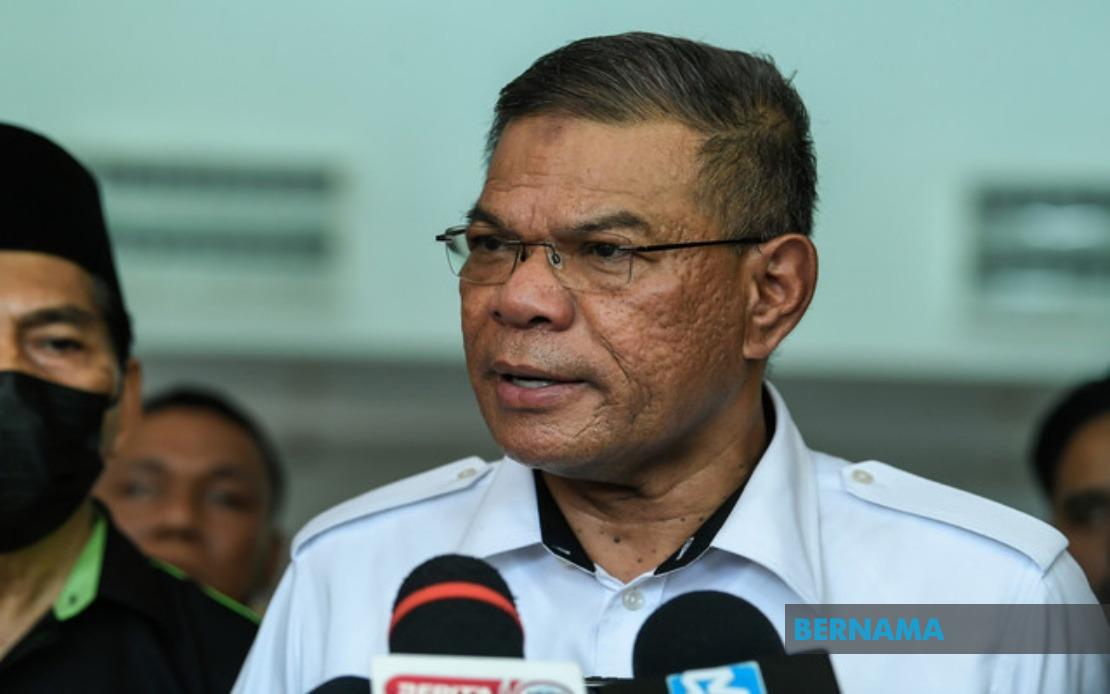
The scope of School Liaison Officers in Malaysian schools encompasses far more than tackling bullying, according to Home Minister Datuk Seri Saifuddin Nasution Ismail, who stressed the broader security and welfare responsibilities these personnel carry out nationwide. Speaking in Kulim after inspecting a damaged hostel at Sekolah Menengah Agama Tarbiah Diniah, Saifuddin clarified that while recent viral incidents on social media—including a bullying case in Cheras—have drawn public attention to interpersonal conduct among students, the remit of School Liaison Officers extends to monitoring all dimensions of school safety. This encompasses accidents, health emergencies, and other unforeseen events that pose risks to the student population, demonstrating a holistic approach to institutional security rather than a narrowly focused intervention strategy.
The Royal Malaysia Police deploys these School Liaison Officers, who are police personnel stationed at or near schools, to forge collaborative relationships with educational institutions, families, and students through structured engagement programmes. By embedding uniformed officers within the school ecosystem, authorities aim to create a visible security presence that deters harmful conduct while building trust with the school community. These officers conduct regular patrols, participate in safety workshops, and serve as accessible points of contact for students and parents facing concerns. The nationwide rollout of this initiative reflects the police force's commitment to transforming schools into environments where young people can learn without fear of violence or abuse, addressing a growing public anxiety about student safety that has intensified following several high-profile incidents reported in recent months.
Complementing the police deployment, the Home Ministry also stations representatives from the National Anti-Drugs Agency at schools to monitor student wellbeing across multiple dimensions, including substance abuse prevention. This multi-agency approach recognises that school safety threats are multifaceted, ranging from physical altercations and cyberbullying to drug-related activities and accidental injuries. The minister cited the example of a student who fell at a school in Kuala Nerang, an incident still under police investigation, to illustrate how School Liaison Officers address incidents beyond interpersonal conflicts. Such cases underscore the necessity for trained personnel who can respond swiftly to emergencies, gather evidence, and coordinate with medical and investigative services to ensure both immediate assistance and accountability.
The timing of Saifuddin's remarks coincided with his inspection of the hostel facility at Sekolah Menengah Agama Tarbiah Diniah following a devastating fire that erupted approximately 2:30 am the preceding morning. The blaze completely destroyed the hostel building, displacing 116 boarding students who lost not only their sleeping quarters but also personal belongings accumulated over months. The incident sparked an immediate government response characterised by both emergency relief measures and longer-term reconstruction support. The scale of disruption—leaving some students with only the clothing they wore during evacuation—necessitated rapid intervention to restore normalcy and prevent educational disruption during what could be a formative period in their academic trajectories.
In response to the emergency, the government announced immediate cash assistance of RM500 per affected student, recognising the financial hardship incurred when young people must replace school uniforms, textbooks, stationery, and other learning essentials. This initial relief represents acknowledgment that families of boarding students, who are often from lower-income backgrounds or geographically remote areas, face acute vulnerability when institutional infrastructure fails. Beyond immediate financial support, Saifuddin secured Prime Minister approval for an emergency allocation of RM200,000 designated specifically for constructing temporary accommodation. This commitment demonstrates understanding that displaced boarding students cannot simply commute home; without on-campus housing, their continued schooling would be jeopardised, potentially derailing their educational progress during a critical academic year.
The government has mobilised additional institutional resources to address the practical consequences of the fire. The National Registration Department will deploy mobile services directly to the school to issue replacement identity cards to affected students at no charge, streamlining a bureaucratic process that would otherwise require travel to distant government offices and impose financial costs on families already burdened by losses. Such targeted administrative support illustrates how government agencies can coordinate efficiently during crises to minimise secondary harms. The minister also pledged that his office contributed RM10,000 to the school's Parent-Teacher Association, supplementing broader state and federal responses with direct institutional support that can address immediate needs identified by educators and parents most familiar with the students' circumstances.
The incident and official response highlight the vulnerability of institutional infrastructure in Malaysian schools, particularly boarding facilities that accommodate some of the nation's most geographically dispersed and economically disadvantaged students. Hostel fires, whether resulting from electrical faults, cooking accidents, or other causes, represent a persistent risk across the region. The destruction at Tarbiah Diniah raises implicit questions about fire safety audits, emergency preparedness protocols, and whether similar facilities across Malaysia undergo regular safety inspections. The government's rapid mobilisation of resources, while commendable, inevitably prompts examination of whether such crises might be preventable through enhanced preventive measures and stricter enforcement of building codes.
Saifuddin framed the government response within the broader MADANI policy framework, which positions responsive crisis management and student protection as central government priorities. By personally visiting the affected school and coordinating multi-agency relief efforts, the Home Minister signalled that such incidents receive high-level political attention and that the government views institutional failures affecting students as matters of significant national concern. This approach contrasts with scenarios where disaster response is delegated entirely to lower-level bureaucracies without visible senior leadership engagement. The political messaging—emphasising the government's commitment to utilising emergency allocations and leveraging available state resources—aims to reassure affected families and the broader public that institutional negligence will not result in abandoned victims but rather in expedited official support.
The narrative surrounding School Liaison Officers must also be contextualised within broader discussions about security and surveillance in educational settings. While Malaysian schools face genuine safety challenges, the expansion of police presence and monitoring capacity raises nuanced questions about the appropriate balance between student protection and privacy, educational autonomy and institutional oversight. School communities will likely debate whether visible police presence creates safer spaces or contributes to criminalisation of adolescent behaviour that might be better addressed through counselling, mediation, or family intervention. These philosophical tensions, evident globally wherever police are embedded in schools, suggest that technical deployment of personnel alone may be insufficient without complementary investments in school-based mental health services, conflict resolution training, and community engagement programmes.
Moving forward, the hostel fire incident and the minister's statements about expanded School Liaison Officer responsibilities underscore the interconnected nature of school safety in Malaysia. Physical infrastructure vulnerability, interpersonal violence including bullying, substance abuse, and emergency preparedness all constitute dimensions of an environment where young people spend substantial portions of their formative years. The government's multi-agency approach reflects awareness that no single intervention—whether police presence, drug prevention officers, or disaster relief funds—addresses the full spectrum of risks. Sustaining this commitment through sustained resource allocation, rigorous implementation monitoring, and community partnership will ultimately determine whether the nation's schools truly become safer, more secure institutions that support rather than undermine the development and wellbeing of Malaysian youth.

