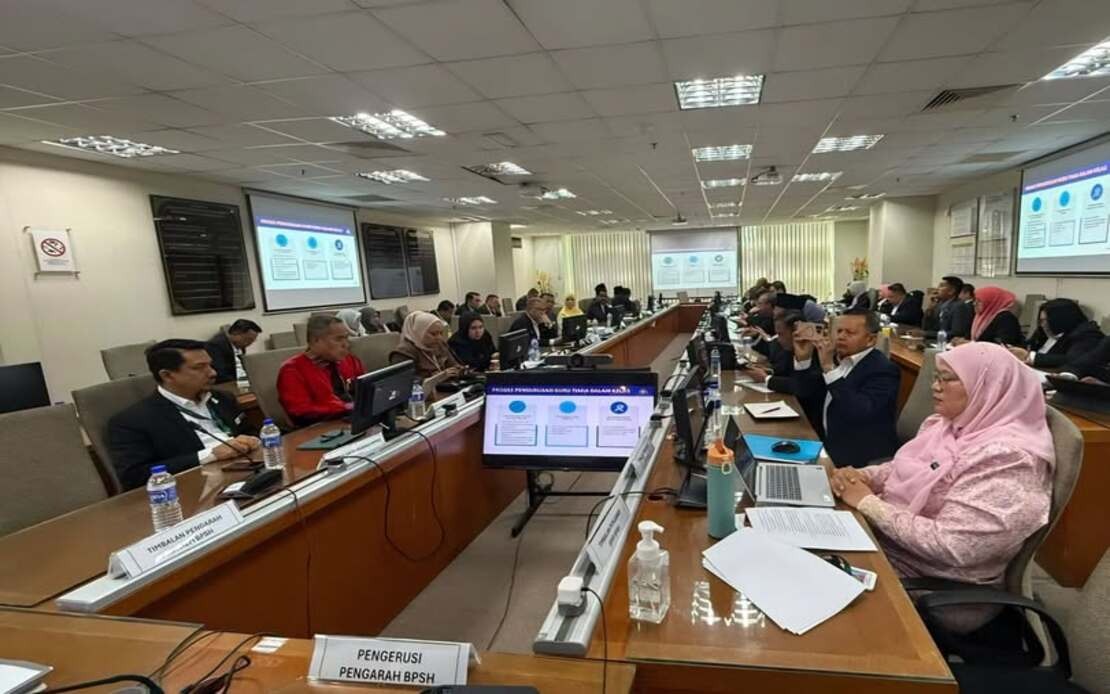
Education Minister Fadhlina Sidek has moved to dispel concerns that Malaysia's new School Pupil Protection Policy unfairly burdens teachers, framing the initiative instead as a comprehensive ecosystem approach to child safety that distributes responsibility across multiple organisations and agencies. Speaking on Wednesday, Fadhlina emphasised that the policy establishes transparent protocols defining what each stakeholder must contribute when pupil welfare becomes a concern, rather than expecting educators to shoulder the entire burden of protection alone.
The minister stressed that the policy's core objective involves creating accountability structures that specify which parties handle different aspects of child safety situations. Teachers, she explained, are required to report concerns immediately to school administrators upon receiving complaints or developing reasonable suspicion—they need not gather conclusive evidence before escalating matters. This threshold for reporting significantly lowers barriers to action and recognises that educators occupy a unique position to observe warning signs that might escape notice by others in a child's life.
Fadhlina outlined the broader institutional architecture supporting the policy, which encompasses the Ministry of Education alongside State Education Departments and District Education Offices. Beyond education institutions, the framework incorporates external agencies including the Royal Malaysia Police and Social Welfare Department, creating an integrated response network. When a report enters the system, designated coordinators assess its nature and severity, determining appropriate next steps and referring cases to relevant authorities as circumstances warrant. This structured handoff process aims to prevent pupils from experiencing compounded trauma through repeated interviews or mishandled investigations.
Recognising that policy documents alone cannot address every scenario teachers might encounter, the Education Ministry has committed to intensive engagement sessions clarifying educator responsibilities and decision-making authority. These briefing initiatives have already involved consultations with the National Union of the Teaching Profession, Malaysia's Human Rights Commission, the United Nations Children's Fund, and numerous civil society organisations. The multi-stakeholder consultation approach reflects attempts to build consensus around implementation while addressing specific concerns from professional teaching bodies and advocacy groups.
The minister acknowledged that teachers may feel uncertain about where their obligations end and where other agencies' responsibilities commence. By conducting ongoing training and clarification sessions, the ministry aims to build educator confidence in navigating reporting procedures and understanding the limits of their individual accountability. Fadhlina stressed that teachers should feel assured they will not face accusations of negligence when they promptly report concerns following protocol, even if their initial suspicions ultimately prove unfounded.
Another critical reassurance involves legal protection and institutional support. The ministry committed to providing legal assistance where appropriate, ensuring that educators acting in good faith to protect children do not find themselves personally liable for consequences beyond their control. This guarantee matters considerably for teachers who might otherwise hesitate to report concerns fearing professional or legal repercussions. The policy explicitly rejects a blame-centred approach that transforms teachers into scapegoats for systemic failures or situations outside their capacity to manage.
The policy's emergence reflects heightened attention to child protection across Malaysia's education system, part of broader regional and global movements to strengthen safeguarding frameworks in schools. Southeast Asian nations increasingly recognise that protecting vulnerable young people requires coordinated action across institutions, moving away from models that isolate responsibility within education sectors. Malaysia's approach signals alignment with international best practices emphasising shared accountability and trauma-informed response protocols.
Fadhlina's characterisation of the policy as a collaborative ecosystem rather than an educator-centred burden addresses legitimate professional anxieties within Malaysia's teaching workforce. Teachers have historically felt pressurised to assume responsibilities extending far beyond academic instruction, from counselling to discipline to now child protection coordination. The policy attempts to redefine teaching roles within a bounded framework where educators serve as critical observers and first responders, but not as solo protectors or investigators.
The ministry's emphasis on continuous engagement and clarification indicates recognition that policy implementation success depends heavily on educator buy-in and understanding. Teachers encountering ambiguous situations in daily practice require clear decision trees and confident knowledge that reporting channels operate effectively. Without this foundation, even well-intentioned policies may fail to achieve protective outcomes if educators remain uncertain about procedures or fear professional consequences from reporting.
For Malaysian schools, the policy represents an attempt to elevate child protection standards while respecting the practical constraints and professional identities of educators. By distributing responsibilities across specialist agencies—police for investigation, social welfare departments for intervention, education departments for institutional coordination—the framework theoretically allows each actor to contribute distinctive expertise. The success of this approach ultimately depends on effective inter-agency communication, adequate resource allocation, and sustained commitment from participating organisations beyond the initial policy announcement phase.

