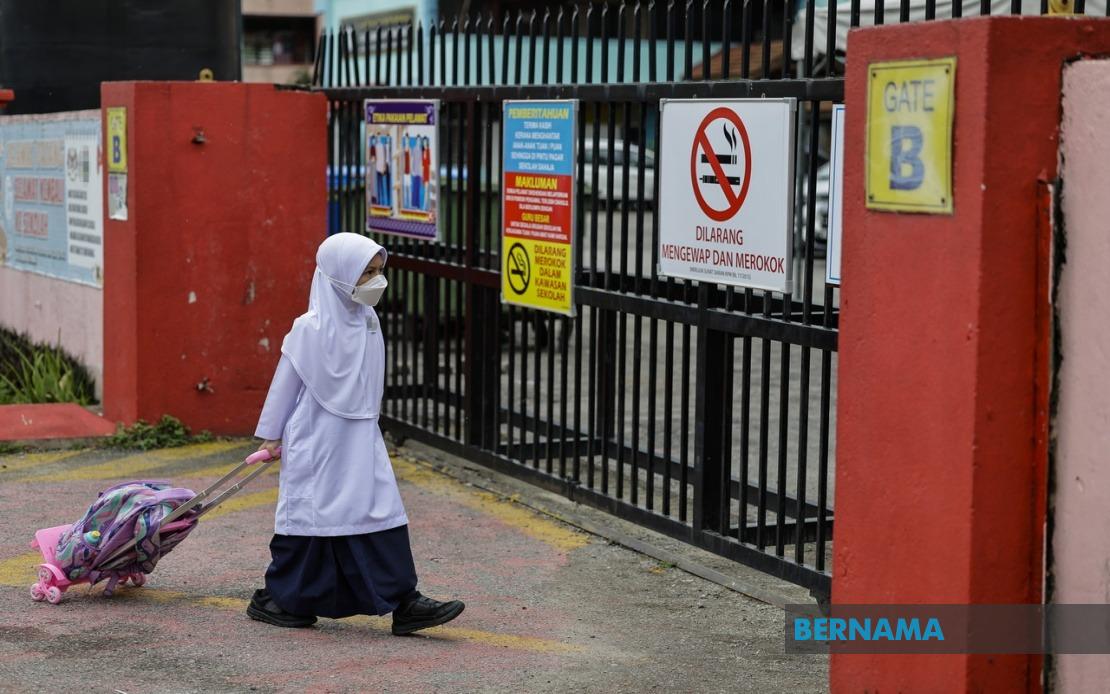
Malaysia's education system has formal protocols allowing school leaders to suspend operations when air pollution reaches critical thresholds, Deputy Education Minister Wong Kah Woh confirmed during an event in Taiping. The policy grants principals and headmasters the authority to order closures when the Air Pollutant Index surpasses 200, provided they act on recommendations from their respective State Education Departments and District Education Offices. This framework represents the Ministry of Education's structured response to recurring haze episodes that threaten student health across the nation.
The ministry has maintained consistent guidance on managing haze-related disruptions through official circulars issued in 2016, 2019, and 2023, establishing a decade-long institutional approach to protecting young learners from hazardous air quality. Wong's remarks came as several regions nationwide reported unhealthy API readings, prompting renewed attention to how schools should respond to seasonal pollution spikes. These circulars form the backbone of Malaysia's educational response to transboundary haze, a recurring environmental challenge that particularly affects the northern and central regions during certain months.
The tiered intervention system begins before conditions become severe enough for closure. Once API readings climb above 100, schools must immediately halt all outdoor activities and suspend public gatherings on campus grounds. This intermediate measure aims to minimise student exposure while allowing educational activities to continue indoors. Sports days, outdoor competitions, and other field-based events must be postponed until air quality improves, protecting vulnerable populations including younger children and those with respiratory sensitivities.
Implementing such protocols requires close coordination between education authorities and school administrators operating across Malaysia's diverse geographic and climatic regions. State Education Departments and District Education Offices serve as the primary monitoring channels, furnishing principals with regular updates on air quality conditions and official recommendations. This decentralised approach acknowledges that haze intensity varies significantly across locations—areas in Peninsular Malaysia's northern corridor may experience hazardous conditions while southern regions remain unaffected. Principals must therefore interpret central guidance through the lens of their immediate environment and student demographics.
The discretionary nature of closure decisions places substantial responsibility on school administrators, who must balance competing priorities. Closing schools disrupts family routines, affects working parents, and interrupts the academic calendar, yet remaining open exposes children to documented health risks from prolonged exposure to particulate matter and other air pollutants. Research has linked elevated API readings to increased respiratory complaints, reduced cognitive performance, and aggravated asthma symptoms among school-age populations. Principals must weigh these health considerations against educational continuity when making their determinations.
Malaysia's haze problem remains deeply rooted in regional dynamics beyond the nation's direct control. Transboundary pollution originating from Indonesian palm oil plantations and agricultural fires drifts across the Strait of Malacca, degrading air quality across Malaysia's western regions and occasionally affecting eastern Peninsular areas and Sabah and Sarawak. The recurring nature of this phenomenon—typically intensifying during the dry season—means schools must maintain permanent preparedness rather than treating haze disruptions as exceptional events. The updated circulars reflect this reality by establishing standing procedures that activate automatically when atmospheric conditions deteriorate.
Educational institutions have begun incorporating haze contingency planning into their standard operating procedures. Schools now maintain alternative timetables that allow learning to continue indoors during haze episodes, establish clear communication protocols to notify parents of closures, and coordinate with transport providers to manage potential disruptions to school operations. Some institutions have invested in air filtration systems for critical spaces and purchased air quality monitors to track local conditions independently. These preparatory measures recognise that haze episodes, while disrupting, need not entirely derail the academic year if proper systems are in place.
For Malaysian students and families, understanding these protocols provides clarity on how institutions will respond to future haze episodes. Parents can expect that schools will not make arbitrary decisions about closures but will instead follow established guidelines aligned with health recommendations. The emphasis on principal discretion, rather than blanket, centrally-mandated closures, allows schools serving communities in particularly vulnerable areas or with significant student populations with respiratory conditions to exercise appropriate flexibility. This approach respects the reality that cookie-cutter policies cannot adequately address the specific circumstances facing schools across a geographically and demographically diverse nation.
The Ministry of Education's continuous monitoring of haze conditions through its departmental networks ensures that authorities remain alert to emerging air quality threats. Rather than reactive responses triggered only after dangerous conditions manifest, the established circular framework enables proactive communication and early warning systems. Schools can begin preparing contingency plans before API readings reach critical levels, allowing orderly transitions rather than chaotic last-minute announcements. This preparedness infrastructure has been refined through multiple haze episodes and represents accumulated institutional learning.
Sectors beyond education have increasingly recognised air pollution's broader societal costs, from healthcare expenses to lost productivity. Educational disruptions represent one visible manifestation of haze's economic and social impact. Each school closure creates cascading effects—parents must arrange childcare, catch-up lessons become necessary, and students lose instructional time. Aggregated across thousands of institutions during a severe haze season, these disruptions translate into measurable setbacks to national educational outcomes. This reality underscores why the Ministry of Education treats haze management as a priority issue warranting formal protocols and regular monitoring.
Looking forward, Malaysia's approach to haze-related school closures will likely continue evolving as both scientific understanding of pollution impacts and technological capabilities advance. Real-time air quality monitoring, integration with weather forecasting systems, and data-driven decision tools may increasingly inform principal discretion in future years. International cooperation with Indonesia on addressing upstream sources of transboundary pollution could eventually reduce the frequency and severity of haze episodes requiring school disruptions. Until systemic solutions materialise, however, the current framework of monitored discretion represents a pragmatic balance between health protection and educational continuity that Malaysian schools must navigate each haze season.

