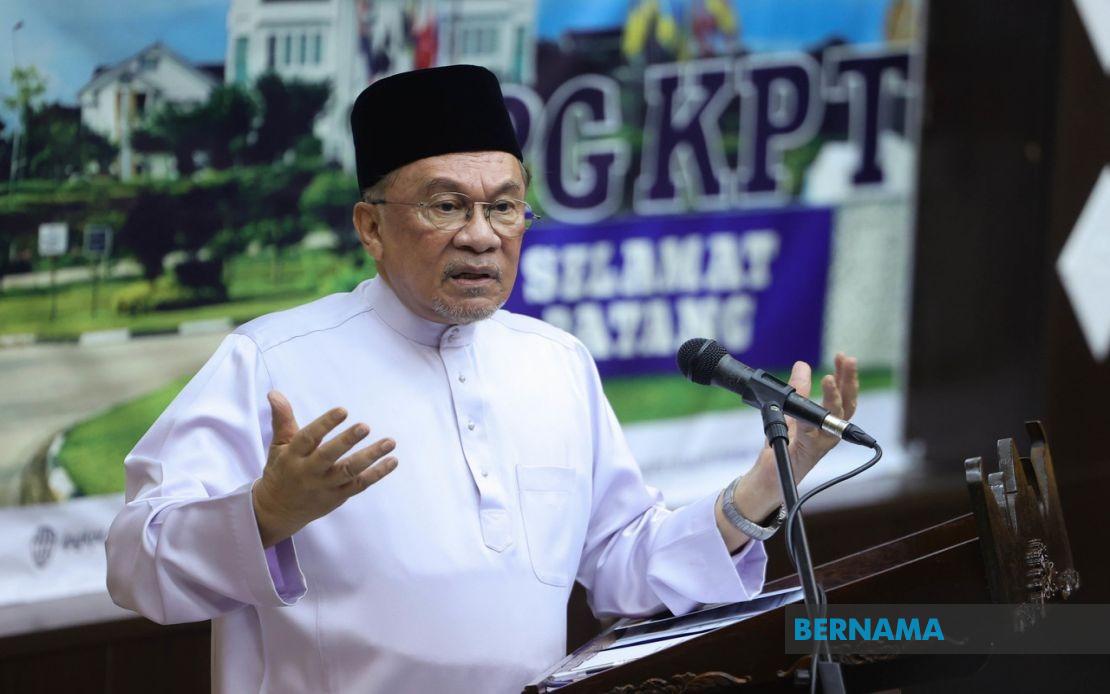
Prime Minister Datuk Seri Anwar Ibrahim has issued a firm directive to Malaysia's schools to stop concealing bullying incidents in an effort to maintain their institutional reputation, warning that transparency and immediate action are crucial to protecting vulnerable students and tackling the root causes of such behaviour. Speaking at an event in Nilai, the Prime Minister stressed that educational establishments must abandon the practice of covering up cases and instead prioritise the welfare of victims through decisive measures.
Anwar's remarks reflect growing concerns about bullying in Malaysian schools and a broader institutional culture that sometimes prioritises image management over child safety. The Prime Minister's intervention signals government-level scrutiny of how educational institutions handle disciplinary matters and pupil welfare. His comments also come as the Education Ministry continues efforts to strengthen pastoral care frameworks and create safer learning environments across the country.
Drawing attention to the scale of the problem, Anwar explained that reporting bullying cases should not be viewed as a failure of school leadership. A school with a thousand students might identify two bullying incidents, he noted, and the principal should face no blame for bringing these matters to light. Rather, culpability arises when school authorities become aware of misconduct yet fail to act while simultaneously keeping the incident hidden from scrutiny. This distinction underscores the Prime Minister's view that disclosure combined with robust intervention represents proper governance, whereas silence constitutes a dereliction of duty.
The Prime Minister's comments suggest that some schools may be downplaying bullying as a minor concern with limited consequences, a perception he firmly rejected. He emphasised that the psychological and emotional toll on victims can be severe and long-lasting, extending far beyond the immediate schoolyard confrontation. This observation aligns with international research demonstrating that bullying can contribute to depression, anxiety, academic decline, and in severe cases, self-harm among affected students. By reframing bullying as a serious matter deserving immediate intervention, Anwar is attempting to shift institutional attitudes throughout Malaysia's education system.
Anwar attributed the persistence of bullying in schools to inadequacies in character development and moral education programmes, despite the fact that students today have greater access to religious instruction than previous generations. This paradox points to a disconnect between curriculum content and behavioural outcomes. The Prime Minister suggested that schools may be delivering religious and moral education in ways that fail to translate into respectful, compassionate conduct among pupils. The challenge, therefore, extends beyond simply increasing classroom hours devoted to ethics; schools must ensure such teaching actively shapes student behaviour and interpersonal relationships.
Central to the Prime Minister's vision is a reconceptualisation of education's ultimate purpose. He argued forcefully that schools should not limit themselves to producing academically gifted graduates or technically proficient professionals. While these outcomes matter, they represent only part of a complete educational mission. An individual may achieve PhDs or master information technology, Anwar contended, yet lack the foundational understanding of human dignity and the capacity to treat others with respect. Such imbalance produces technically skilled but morally impoverished citizens who cannot contribute meaningfully to a cohesive, compassionate society.
The Prime Minister called on teachers to recognise their pivotal role in shaping not merely intellects but character. Educational institutions, he stressed, must function as environments where learning encompasses faith, moral development, and empathy alongside academic subjects. Teachers therefore bear a responsibility that transcends classroom instruction; they serve as moral exemplars and custodians of institutional values. This framing elevates the profession's significance while simultaneously acknowledging the weight of expectations placed on educators daily.
Anwar's remarks carry particular resonance in Malaysia's multicultural context, where educational institutions serve as microcosms of national diversity. Bullying often intersects with identity, religious background, socioeconomic status, and ethnicity. Schools that suppress bullying reports may inadvertently enable systemic discrimination or harassment targeting minority groups. By insisting on transparency and intervention, the Prime Minister is defending the principle that all students, regardless of background, deserve safe learning spaces. This commitment becomes especially important as Malaysia works to strengthen social cohesion across different communities.
Education Minister Fadhlina Sidek's attendance at the event underscored government alignment on this issue. The Ministry will likely use the Prime Minister's statements to reinforce existing policies requiring schools to document and address bullying through formal channels rather than informal suppression. School administrators may anticipate enhanced oversight and clearer accountability mechanisms going forward. The government appears ready to back rhetoric with structural accountability, potentially including sanctions for schools that fail to report or address bullying appropriately.
The Prime Minister also acknowledged the generally high standards maintained by Malaysia's teaching profession, offering recognition while simultaneously elevating expectations. This approach balances encouragement with pressure, acknowledging achievements while signalling that further improvements remain necessary. As Malaysia pursues educational excellence at the global level, bullying prevention and character education must feature prominently in that agenda.
Implications for Malaysian schools include potential policy tightening around incident reporting, whistleblower protections for staff and students, and enhanced training in pastoral care and conflict resolution. Schools may need to implement clearer protocols distinguishing between minor disciplinary matters and serious bullying cases requiring formal reporting. The government's emphasis on moral education might prompt curriculum reviews and additional professional development for teachers. More broadly, Anwar's intervention signals that school leadership will increasingly face scrutiny regarding both institutional safety records and the steps taken to address misbehaviour transparently and decisively.

