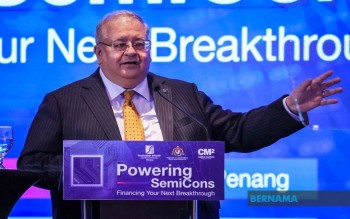
The Securities Commission Malaysia (SC) stands prepared to assume regulatory authority over Lembaga Tabung Haji's fund management and investment activities should the government green-light the proposal, according to SC chairman Datuk Mohammad Faiz Azmi. Speaking in George Town on August 19, Faiz Azmi emphasised that the ultimate decision rests with the federal government, with the SC positioned to implement whatever directive emerges from ongoing policy deliberations.
The proposal represents one of several recommendations contained in the Royal Commission of Inquiry report on TH, which has raised significant governance questions about one of Malaysia's largest Islamic financial institutions. The RCI findings have prompted a comprehensive review process involving multiple regulatory bodies, demonstrating the seriousness with which authorities are approaching potential structural reforms within the Islamic pilgrimage fund sector. The three-way task force comprises the SC, Bank Negara Malaysia, and TH itself, tasked with evaluating the feasibility and appropriateness of implementing the RCI's suggestions.
Faiz Azmi clarified that the SC's role would be contingent upon government determination of what constitutes reasonable and implementable reforms. "If the government deems it appropriate, we will implement it," he stated, noting that the task force is currently assessing all RCI proposals to identify which recommendations merit formal adoption. This measured approach reflects the complexity of restructuring oversight arrangements within an institution serving millions of Malaysian Muslims and managing substantial investment portfolios.
The scale of TH's investment operations forms a critical consideration in the regulatory discussion. With a massive fund under management spanning domestic and international markets, the proposition that the SC—Malaysia's primary securities market regulator—should oversee such activities carries considerable institutional weight. The size and complexity of TH's investment activities suggest that dedicated securities expertise could strengthen governance frameworks and enhance investor protection mechanisms, particularly given the public trust embedded in the institution's religious and social mandate.
Minister in the Prime Minister's Department (Religious Affairs) Dr Zulkifli Hasan had previously outlined the SC's potential supervisory role, framing it as part of a broader effort to fortify TH's institutional oversight architecture. The government has signalled receptiveness to governance enhancements that address RCI findings, though implementation timelines remain fluid pending interagency coordination and stakeholder consultation. Such restructuring would represent a significant evolution in how Malaysia's regulatory framework engages with major Islamic financial institutions.
The establishment of the tripartite task force reflects institutional pragmatism, as Bank Negara Malaysia's involvement ensures monetary and financial stability considerations remain central to any restructuring discussion. The bank's expertise in Islamic finance regulation complements the SC's capital markets knowledge, creating a comprehensive review mechanism capable of evaluating technical, legal, and operational dimensions of potential reforms. This collaborative approach maximises the likelihood that any implemented changes will be coherent with existing regulatory architecture.
For Malaysian investors and pilgrims relying on TH services, the potential regulatory transition carries meaningful implications regarding fund management accountability and investment oversight. Enhanced SC involvement could introduce additional layers of securities market discipline and disclosure requirements, potentially increasing transparency around investment decisions and performance reporting. Such developments would align TH more closely with international best practices for large asset managers serving retail constituencies.
The RCI's broader findings appear to have catalysed a comprehensive institutional reckoning within the pilgrimage fund sector. That multiple recommendations are undergoing simultaneous evaluation suggests the inquiry uncovered systemic issues requiring multifaceted solutions rather than isolated technical fixes. The government's willingness to consider SC involvement demonstrates acknowledgment that contemporary fund management challenges require specialised regulatory expertise.
The timing of discussions around TH governance also reflects regional trends toward strengthening oversight of major Islamic financial institutions. Across Southeast Asia and the broader Islamic finance ecosystem, regulators increasingly recognise that institutions managing pilgrim funds require vigilant governance frameworks. Malaysia's approach could establish benchmarks for other nations managing hajj-related financial systems, positioning the country as a leader in Islamic financial regulation.
While Faiz Azmi emphasised that implementation depends on government decision-making, the SC's explicit readiness to assume expanded responsibilities suggests bureaucratic consensus around reform necessity. The regulatory body's willingness to participate in the task force and its openness to expanded mandates indicate that the broader financial services regulatory community recognises that TH's scale and importance warrant sophisticated oversight mechanisms. The coming months will reveal whether government policy translation matches the apparent institutional appetite for reform.

