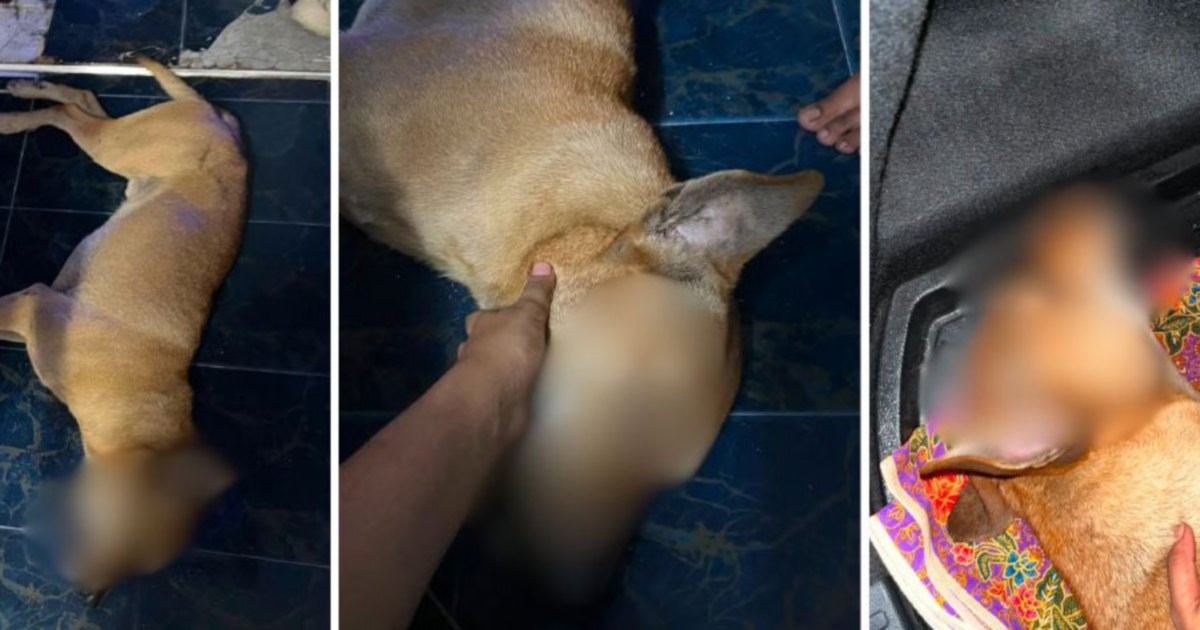
The Selangor Department of Veterinary Services has escalated its inquiry into the alleged abuse of Rocky by filing an official police complaint and systematically documenting statements from multiple witnesses and individuals connected to the case. The development marks a significant shift toward formal legal proceedings, signalling the authorities' determination to pursue the matter through established law enforcement channels. The video evidence, which sparked public outrage and widespread calls for accountability, has become central to the investigation's documentary foundation.
Rocky's case emerged into public consciousness when footage documenting the alleged mistreatment circulated across social media platforms, triggering immediate and intense community response. The video evidence captured the attention of animal welfare advocates, celebrities, and ordinary citizens who mobilised quickly to ensure the incident received serious official attention. The emotional resonance of the case reflects Malaysia's evolving societal attitudes toward animal protection and the power of digital media in bringing previously hidden incidents of cruelty into public scrutiny.
The DVS decision to lodge a formal police report represents the veterinary authority's recognition that the matter transcends routine welfare concerns and falls within the scope of criminal conduct. By involving the police force directly, the department has widened the investigative scope beyond administrative or civil remedies, potentially opening pathways for criminal charges depending on evidence gathered. This escalation demonstrates how modern animal welfare advocacy has begun reshaping institutional responses, with governmental bodies increasingly treating documented cruelty as a serious law enforcement priority rather than a minor administrative infraction.
The collection of statements from multiple parties provides investigators with varied perspectives and accounts of the circumstances surrounding Rocky's alleged mistreatment. Each testimony contributes granular detail to the overall narrative, helping authorities establish timelines, identify individuals involved, and determine the extent and nature of the alleged abuse. The methodical approach to gathering evidence suggests the DVS is building a comprehensive case file that can withstand potential legal scrutiny and support prosecutorial decisions downstream.
Animal welfare has gained considerable traction as a policy priority across Southeast Asia in recent years, with Malaysia actively developing stronger legislative frameworks and institutional capacity. The DVS's proactive engagement with law enforcement in this case reflects government recognition that animal cruelty undermines broader societal values and public trust in institutional care systems. This investigation may establish precedent for how future allegations are handled, potentially influencing both public expectations and departmental procedures across the region.
The public dimension of Rocky's case cannot be overlooked when considering the intensity of official response. Viral footage and sustained social media attention create political and reputational pressure that encourages authorities to demonstrate competence and commitment to public concerns. The DVS's visible engagement with the investigation serves simultaneously as genuine due diligence and public relations management, reassuring citizens that allegations receive serious treatment and that systems exist to hold perpetrators accountable.
For Malaysian pet owners and animal welfare advocates, the DVS initiative offers cautious optimism that governmental institutions are taking their responsibilities seriously. However, the true measure of institutional effectiveness will ultimately depend on whether investigations culminate in meaningful consequences for those found responsible. The gap between investigation and justice remains significant, and sustained public attention often dissipates before prosecutorial outcomes materialise, potentially undermining the deterrent effect that animal cruelty legislation seeks to achieve.
The incident also highlights evolving standards for how Malaysians expect animal treatment to be conducted and documented. The willingness to record and share footage of alleged abuse suggests shifting cultural attitudes toward accountability and transparency. Simultaneously, it reflects increasing accessibility of recording technology and the democratisation of evidence collection, whereby ordinary citizens can document potential crimes and bypass traditional gatekeepers of information.
Looking forward, the investigation's trajectory will influence how Malaysia's animal welfare sector addresses future allegations. Effective case resolution requires coordination between veterinary authorities, police investigators, prosecutors, and courts, each bringing distinct expertise and responsibilities. The success of this investigation depends partly on institutional capacity and partly on whether legal frameworks provide sufficient tools and penalties to match public expectations regarding animal protection and perpetrator accountability.

