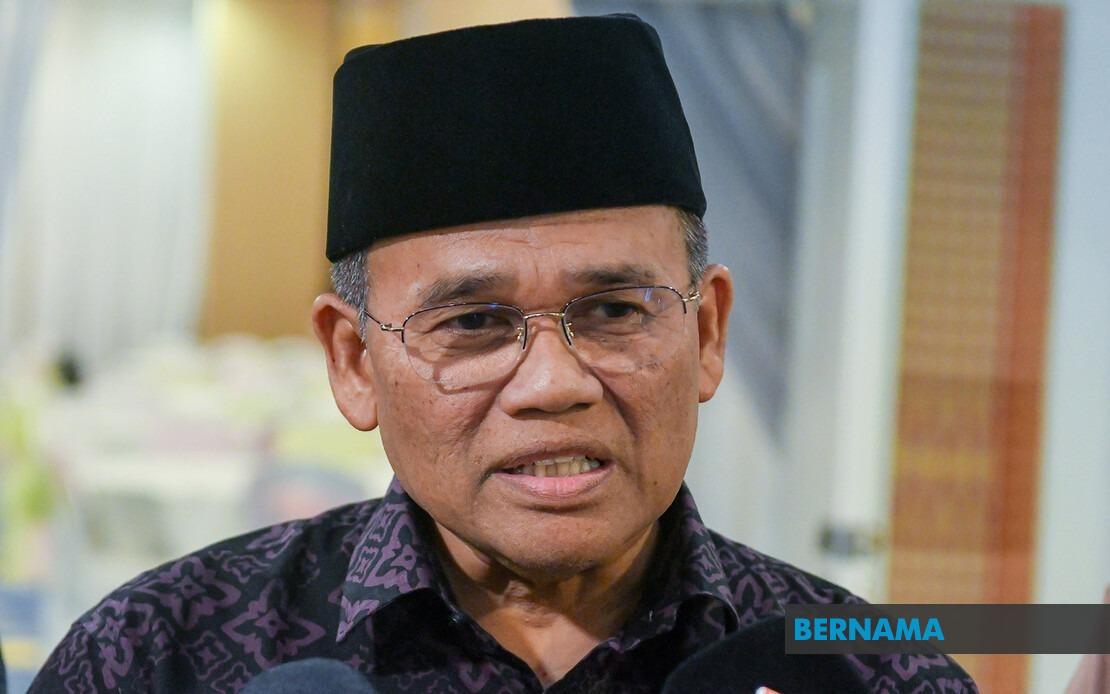
The Selangor Islamic Religious Council (MAIS) has clarified that authorisation to conduct Friday prayers at the Musala IOI City Mall in Putrajaya was granted from 6 September 2024, following deliberations by the Selangor State Mosque and Surau Governance Committee (JATUMS) and with the explicit consent of Sultan Sharafuddin Idris Shah. The decision represents a targeted response to addressing the religious needs of a concentrated Muslim workforce in a commercial precinct far from existing places of worship.
MAIS chairman Datuk Salehuddin Saidin explained that the approval emerged from a comprehensive assessment determining the musala serves a significant population of male Muslim workers and attracts substantial numbers of Muslim shoppers. The logistics of accommodating these congregants at distant established mosques presented practical challenges that warranted the temporary accommodation. The geographical isolation of the commercial hub from alternative prayer facilities was a decisive factor in the approval process.
The two nearest mosques present considerable accessibility barriers. Masjid Al-Mustaqim Kampung Dato' Abu Bakar Baginda lies approximately 7.6 kilometres away, while Masjid UNITEN in Kajang sits about 7.7 kilometres distant. Both institutions already operate at or near capacity during peak prayer times, rendering them unable to absorb the additional congregants who would otherwise need to travel these substantial distances on Fridays. This capacity shortfall demonstrates how rapid commercial development in Malaysia has occasionally outpaced the provision of corresponding religious infrastructure.
The temporary nature of this authorisation reflects a measured regulatory approach by the state's Islamic authorities. Salehuddin emphasised that the permission remains conditional and will terminate once a purpose-built mosque in the vicinity becomes operational and capable of servicing congregational demand. This framework prevents the establishment of de facto permanent prayer facilities at commercial properties whilst addressing genuine interim needs during a transition period.
The approval carries significant implications for how Malaysian Islamic councils balance religious obligation with practical logistics in rapidly developing urban centres. Shopping malls and commercial complexes increasingly employ large workforces requiring midday prayer facilities, yet regulations traditionally restricted Friday prayers—the most significant weekly Islamic observance—to established mosques. This decision suggests a pragmatic reassessment of such restrictions when legitimate infrastructure gaps exist.
MAIS and the Selangor Islamic Religious Department (JAIS) have jointly undertaken responsibility for overseeing the administration and implementation of Friday prayers throughout the state. Their commitment to maintaining orderly conduct, adherence to Islamic jurisprudence, and compliance with relevant civil legislation underscores the formal integration of this permission within established regulatory frameworks rather than an ad hoc arrangement. The involvement of the Sultan's office adds constitutional legitimacy to an innovation that pushes conventional boundaries.
Notably, Salehuddin had previously issued a broader statement indicating that Sultan Sharafuddin had not granted general consent for suraus or musalas at shopping centres to conduct Friday prayers. This single exception at IOI City Mall therefore operates within a restrictive policy environment, suggesting the approval reflects distinctive circumstances rather than portending a wholesale liberalisation of such permissions. The exceptional status derives from the specific combination of distance from existing mosques and the concentrated workforce population.
For Malaysian employers, particularly those operating large commercial establishments distant from established mosques, this development signals potential pathways for formalising prayer facilities beyond basic suraus. The approval framework could inform future discussions with state Islamic authorities seeking to address employee religious needs in comparable circumstances. However, the explicitly temporary categorisation means businesses cannot treat such permissions as permanent solutions to prayer facility provision.
From a Southeast Asian perspective, Malaysia's approach reflects the broader challenge facing Muslim-majority and Muslim-significant nations in reconciling rapid urbanisation with traditional religious infrastructure planning. Indonesia, Brunei, and other regional neighbours grapple with similar questions as commercial hubs expand beyond existing mosque networks. The IOI City Mall decision potentially offers a template for balancing pragmatism with religious governance standards.
The approval also touches upon broader questions about workplace rights for Muslim employees across Malaysia. The acknowledgement that workers legitimately require convenient access to Friday prayer facilities—previously sometimes treated as a secondary consideration in development planning—represents incremental institutional recognition of religious observance as integral to employee welfare rather than merely a discretionary matter.
Looking forward, the temporary status of this permission creates a timeline pressure for completing permanent mosque infrastructure in the IOI City Mall vicinity. Developers and the Putrajaya municipal authority will need to coordinate with MAIS and JAIS to identify suitable locations and secure funding for a permanent facility before the surau's Friday prayer authorisation expires. This mechanism potentially accelerates mosque development in underserved commercial districts that might otherwise receive lower development priority.
The decision underscores how Islamic religious governance in Malaysia operates through collaborative decision-making involving state councils, Islamic departments, and the monarchy. Sultan Sharafuddin's consent proved essential to the approval process, reflecting the constitutional role of Malay Rulers in Islamic affairs within their respective states. This formal involvement distinguishes Malaysian arrangements from purely bureaucratic approvals in secular contexts.

