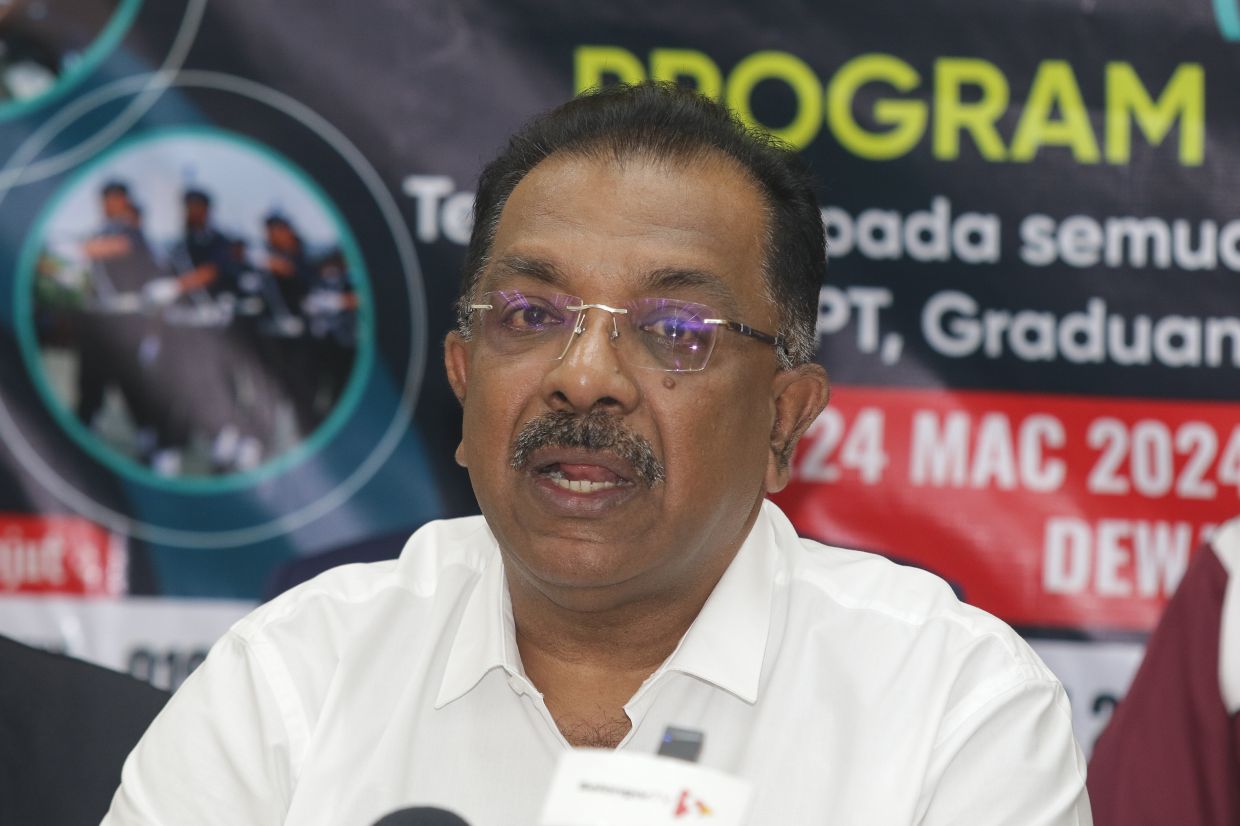
Sentosa assemblyman Gunaraj George has highlighted the urgent need for a formalised framework to manage the increasingly complex issue of land disputes and structural concerns involving temples and other non-Muslim religious facilities across Selangor. Speaking during the state assembly debate in Shah Alam on Wednesday, Gunaraj stressed that while economic growth remains essential, the authorities cannot overlook the protection of community interests and religious heritage in the pursuit of development.
The assemblyman's intervention reflects growing tensions in Selangor, where rapid urbanisation has created friction between commercial property interests and longstanding religious communities. Many temples, churches, and other worship sites have operated for decades, often predating the modern residential and commercial townships that have emerged around them. The legal status of these facilities has become increasingly precarious as local authorities and private developers seek to rationalise land use in fast-growing areas.
Gunaraj pointed out that numerous temples were originally established with the explicit consent of landowners and operated openly for generations, serving as spiritual and cultural anchors for local communities. These institutions did not emerge clandestinely but were integrated into the social fabric of their neighbourhoods from the outset. Yet as surrounding areas undergo transformation into commercial or residential developments, these same places of worship suddenly find themselves vulnerable to being classified as illegal structures, a designation that can trigger enforcement action and potential demolition orders.
The core of Gunaraj's argument centres on procedural fairness and contextual sensitivity. He contends that authorities must examine the historical trajectory and contemporary role of contested religious sites before imposing decisions regarding relocation or demolition. A blanket application of current planning regulations, without accounting for established community use and historical precedent, risks dismantling institutions that have genuine social legitimacy despite potentially falling outside contemporary administrative categories.
Gunaraj has proposed a multi-stakeholder dialogue mechanism involving the state government, local councils, private landowners, property developers, and the management committees of affected worship sites. This collaborative framework would allow disputes to be addressed through substantive engagement rather than unilateral enforcement. By bringing all parties to a negotiating table, the mechanism could facilitate tailored solutions that acknowledge both development imperatives and religious community rights.
The assemblyman acknowledged that some legitimate concerns may underpin official scrutiny of certain sites. Land ownership disputes, planning code violations, and structural safety issues are genuine problems that require systematic resolution. However, rather than approaching these challenges through confrontation or immediate enforcement, Gunaraj advocated for a sectoral approach where each category of concern is addressed by the relevant technical agencies. Safety questions should be resolved through architectural assessment; planning complications through consultation with municipal authorities; and ownership disputes through legal frameworks.
Selangor's position as the most developed and demographically diverse state in Malaysia gives it particular responsibility and opportunity to establish best practices for managing religious and development conflicts. Other states facing similar pressures may look to Selangor's model when setting their own policies. Gunaraj argued that the state has the capacity and expertise to demonstrate that economic expansion and religious accommodation are compatible objectives rather than inherently opposed forces.
The assemblyman's remarks implicitly critique a tendency within some local authorities to view religious sites primarily as planning irregularities requiring standardisation, rather than as community institutions deserving deliberative engagement. This administrative approach, while administratively efficient, can appear insensitive and risks generating friction between government agencies and minority religious communities. A more developed policy framework would recognise that religious facilities often perform functions beyond their literal physical structure—they serve as repositories of community memory, cultural identity, and social cohesion.
Gunaraj's emphasis on harmony and balanced outcomes reflects broader Malaysian constitutional principles that guarantee freedom of religion while accommodating the needs of a plural society. The challenge in Selangor is translating these principles into operational mechanisms that actually protect vulnerable communities during periods of rapid change. Without proactive government facilitation, disputes often escalate to confrontation, damaging community relations and potentially undermining social stability.
The call for a structured mechanism also acknowledges practical limitations in the current system. Many local authorities lack dedicated personnel trained in managing disputes involving religious properties, and there is no established protocol for balancing heritage preservation against development objectives. By creating formal processes, the state government could build institutional capacity while signalling a commitment to fair treatment of all community groups, regardless of their religious affiliation.
Gunaraj's vision explicitly rejects false binary choices between development and community harmony. Selangor's experience suggests that with sufficient coordination, creativity, and political will, urban expansion can proceed while protecting established religious communities. Some temples might be relocated with fair compensation and community input; others might be preserved within development plans as designated heritage sites; still others might require structural upgrades to meet safety standards before continuing operations. Each situation demands individualised assessment rather than standardised enforcement.
The assemblyman's intervention carries significance beyond Selangor's boundaries. As Malaysia continues to urbanise rapidly, many states will confront similar pressures on religious sites. Establishing transparent, consultative processes in Selangor could provide a replicable model that other state governments and local authorities might adopt. This approach would strengthen minority community confidence in government institutions while demonstrating that inclusive governance enhances rather than impedes development outcomes.

