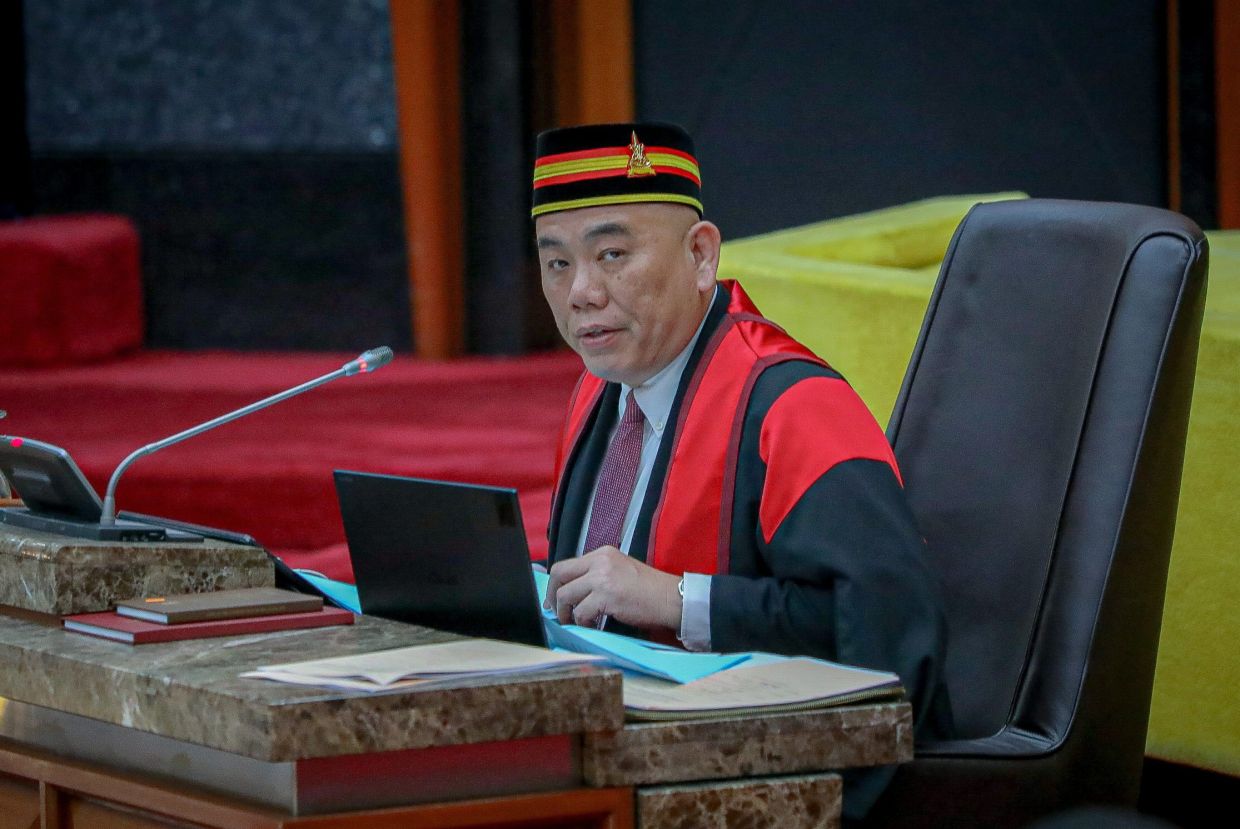
Selangor Speaker Lau Weng San has definitively ended weeks of uncertainty over possible by-elections in the state, announcing on Thursday that a comprehensive review across all 56 state assembly seats has uncovered no basis for any representative to forfeit their position. The announcement comes as a relief to political observers who had grown concerned following reports earlier in August that at least one assemblyman faced potential removal owing to a bankruptcy order.
The speaker's confirmation followed a detailed examination that took place through August 10, extending across all political factions represented in the Selangor State Assembly. Addressing reporters during the assembly sitting in Shah Alam, Lau emphasised that the investigation had been thorough in scope and methodology, reviewing multiple dimensions of each assemblyman's standing and circumstances. The cross-partisan nature of the review underscores the procedural rigour applied, ensuring that no representative had been overlooked or subjected to differential scrutiny based on party affiliation.
The speculation that triggered the review stemmed from a bankruptcy order issued against one state assemblyman earlier that month. Under Malaysian constitutional law, a member declared bankrupt typically forfeits the right to retain elected office, which would automatically trigger a by-election in that constituency. However, the High Court subsequently intervened and set aside the order, immediately negating the risk of forced vacancy. This intervention by the judiciary resolved the legal question and paved the way for the speaker's sweeping reassurance to all representatives.
Beyond the seat security question, Lau also tackled the persistent issue of assembly absenteeism, a chronic problem that has occasionally drawn public criticism for undermining legislative oversight and public engagement. The speaker indicated that the assembly secretariat would publicise attendance patterns through social media channels, creating a form of public accountability that might encourage better participation. This transparency measure reflects growing expectations across Commonwealth legislatures for representatives to justify their non-attendance or face public scrutiny.
The speaker acknowledged legitimate reasons for absence, such as medical leave, and cited the example of the Bandar Baru Klang representative who had sought permission after requiring post-operative recovery. However, he emphasised that assemblymen must prioritise parliamentary sittings above routine constituency business, noting that the Selangor assembly convenes only approximately three times yearly, with each session typically lasting two weeks or fewer. Given the limited frequency of sittings, absenteeism effectively curtails the opportunity for scrutiny and representation.
Lau outlined the procedural expectations governing attendance and leave, stressing that while no legal obligation exists for assemblymen to notify the secretariat of absences, those who fail to attend forfeit crucial opportunities to pose questions to the executive, receive government responses, submit proposals, and absorb briefings during concluding remarks from ministers. The speaker further noted that state executive councillors retain discretion to decline responding to questions raised by absent members during winding-up periods, thereby compressing debate to accommodate those physically present.
Typically, between three and five assemblymen are absent from any given sitting, according to the speaker, though the reasons vary considerably. Lau acknowledged exceptional circumstances such as funeral obligations requiring immediate travel and family needs, but encouraged representatives to schedule constituency work and ancillary appointments deliberately outside assembly dates. Even partial attendance confers credit, with members joining proceedings late still registered as present, a provision that offers flexibility for those facing unavoidable scheduling conflicts.
The financial incentive structure for attendance also emerged during the speaker's exposition. Assemblymen receive attendance allowances of RM200 for morning sessions and RM150 for afternoon sessions, effectively compensating them for the time and opportunity cost of attendance. This remuneration, while modest by some standards, underscores the expectation that representatives treat assembly participation as a primary professional obligation rather than an optional commitment competing against other activities.
The broader implications for Selangor's governance are noteworthy. The state, as Malaysia's most economically dynamic and populous electoral district, sets a significant precedent for parliamentary conduct that influences practices across the country. The speaker's explicit confirmation that no seats face vacancy eliminates political uncertainty and allows the assembly to focus on substantive legislative and oversight work for the remainder of the term. This stability is particularly valuable given Selangor's role as both an economic powerhouse and a bellwether for federal political trends.
The emphasis on attendance and engagement reflects an evolving understanding of representative democracy in Malaysia, where public expectations for legislator accountability have intensified. By publicising absence patterns and articulating the consequences of non-participation, the Selangor speaker is advancing a constructive argument that legislative work requires sustained commitment and prioritisation. This messaging resonates with broader democratic reform conversations occurring across Southeast Asia, where legislatures increasingly face demands to demonstrate responsiveness and diligence in serving constituent interests.

