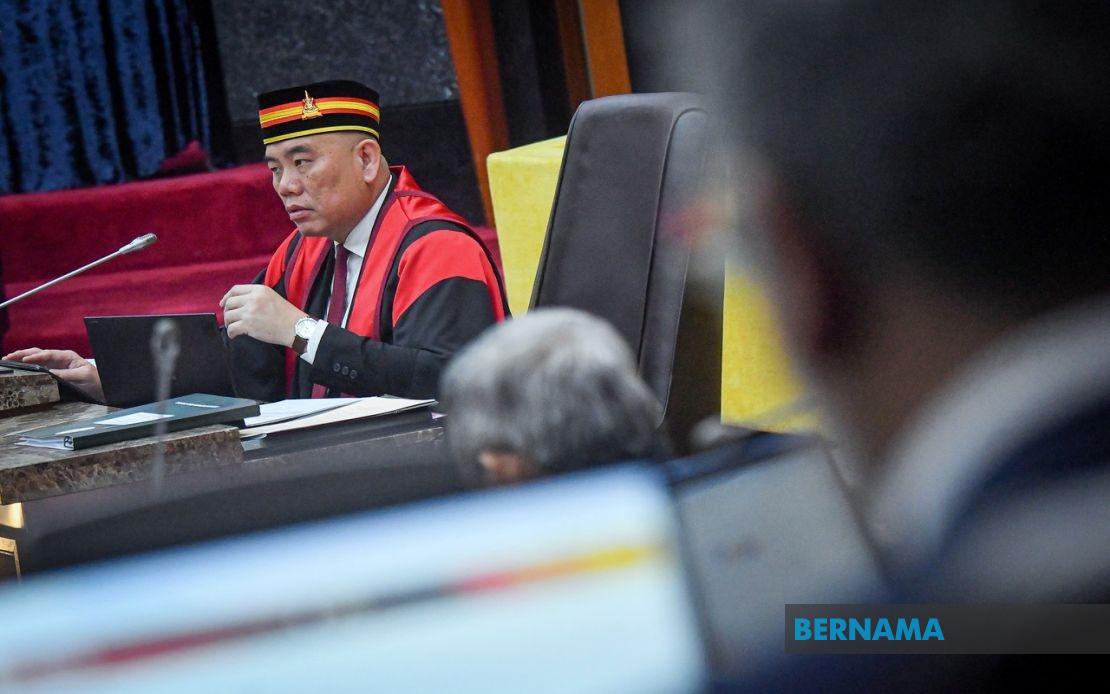
Selangor State Legislative Assembly Speaker Lau Weng San is conducting an ongoing and comprehensive examination of the attendance and eligibility status of all state assemblymen, a process that will ultimately inform decisions on whether any seats in the chamber should be formally declared vacant. Speaking to reporters at the Wisma Dewan Negeri Selangor in Shah Alam, Lau emphasised the importance of thoroughness in what he described as a constitutional and factual undertaking that transcends party lines and political affiliations.
The review represents a significant procedural matter within Selangor's legislative process, one that carries considerable political weight given the state's complex political landscape and the potential ramifications for representation and governance. Lau made clear that his assessment encompasses the entire assembly membership, signalling that no faction or party would receive preferential treatment in the evaluation. This inclusive approach reflects constitutional requirements that demand impartiality when determining the status of elected representatives, a particularly sensitive issue in states where coalition arrangements remain fragile or contested.
Under the Selangor State Constitution, an assemblyman who accumulates six consecutive months of absences from sittings without permission or official notification faces the prospect of having his seat declared vacant. This constitutional provision serves as a safeguard against absenteeism that might compromise legislative effectiveness or suggest the member is no longer capable of fulfilling their duties. However, Lau's comments indicate that the application of this rule involves nuance and individual assessment rather than blanket implementation, particularly where assemblymen have submitted formal notifications explaining their absences on grounds ranging from health complications to other legitimate concerns.
The timing of the Speaker's review coincides with broader political dynamics in Selangor, where questions about assemblyman availability and commitment have periodically surfaced. The fact that certain members were absent from today's sitting prompted speculation about potential links to the ongoing status review, yet Lau cautioned against jumping to conclusions. He noted that absence from a single sitting does not automatically indicate a problem or predict an adverse determination, and that members might have been prevented from attending for reasons entirely unrelated to any constitutional or procedural issue.
Menteri Besar Datuk Seri Amirudin Shari had earlier signalled that a definitive decision regarding at least one seat's status should materialise within the current week. This timeline suggests that administrative processes within the Speaker's office are advancing towards conclusion, though Lau himself declined to commit to a specific completion date. The state government is positioned to await formal notification from the Speaker before the matter moves to the Election Commission, which will then determine whether a by-election becomes necessary to fill any vacated seat. This sequential approach ensures that constitutional procedures are followed methodically rather than hurriedly.
The state's legal adviser is simultaneously preparing the formal documentation and legal memoranda required to process any decisions that emerge from the Speaker's review. This parallel administrative work indicates that the government machinery is preparing for multiple contingencies, ensuring that if seats are declared vacant, the machinery for electoral replacement can be activated swiftly. The coordination between the Speaker's office, the Menteri Besar's office, and the legal adviser demonstrates the institutional complexity surrounding what might appear to be a routine constitutional matter but which in practice involves multiple layers of governmental scrutiny and approval.
For Malaysian voters and observers of Selangor politics, the implications of potential vacancy declarations could reshape the composition and dynamics of the state assembly. Depending on how many seats are affected and which constituencies they represent, such declarations could alter the balance of power within the chamber or strengthen the hand of the incumbent state government in managing legislative business. The process therefore extends beyond mere constitutional compliance to touch upon fundamental questions of political representation and governmental stability in one of Malaysia's most populous and economically significant states.
Lau's emphasis on examining "every party, every corner" underscores a commitment to procedural fairness that should provide reassurance to all assembly members regardless of their political stripe. In an environment where accusations of partisan treatment in administrative matters can rapidly escalate into broader political controversy, the Speaker's public acknowledgement that the review encompasses all affiliations serves an important legitimacy function. This approach should theoretically insulate the eventual decisions from charges of political targeting or selective enforcement, though the contentious nature of such matters means that satisfied acceptance of the outcome cannot be guaranteed.
The assemblymen who have submitted formal notifications of their absences appear to have followed proper constitutional channels, a procedural step that Lau indicated would be given individual consideration before any adverse determination. This suggests that those with documented reasons for non-attendance—whether health-related, personal, or administrative—may have stronger protection against vacancy declarations than those whose absences lack such official explanation. The Speaker's methodology appears designed to distinguish between flagrant disregard for constitutional obligations and genuine circumstances that prevent attendance while maintaining ongoing legislative duties.
For Southeast Asian observers monitoring Malaysian state governance, the Selangor situation illustrates how constitutional provisions regarding member attendance and seat vacancy function as real-world mechanisms that can shape legislative composition and political outcomes. Unlike systems where such rules remain largely theoretical, Selangor's active review demonstrates that constitutional safeguards can be invoked to address accumulating absenteeism. The process also reveals the institutional safeguards that exist within Malaysia's legislative framework, where decisions affecting membership status involve multiple officials and cannot be made unilaterally by a single authority.
The path forward hinges on the Speaker's completion of his review and the subsequent notifications to relevant parties. Once the Speaker communicates his findings, the machinery for potential by-elections could be set in motion, with the Election Commission determining the timeline and procedures for filling any declared vacancies. This staged approach, while perhaps lengthy from the perspective of those seeking immediate clarity, reflects deliberate constitutional design intended to ensure that such consequential matters receive adequate review and procedural compliance rather than hasty determination.

