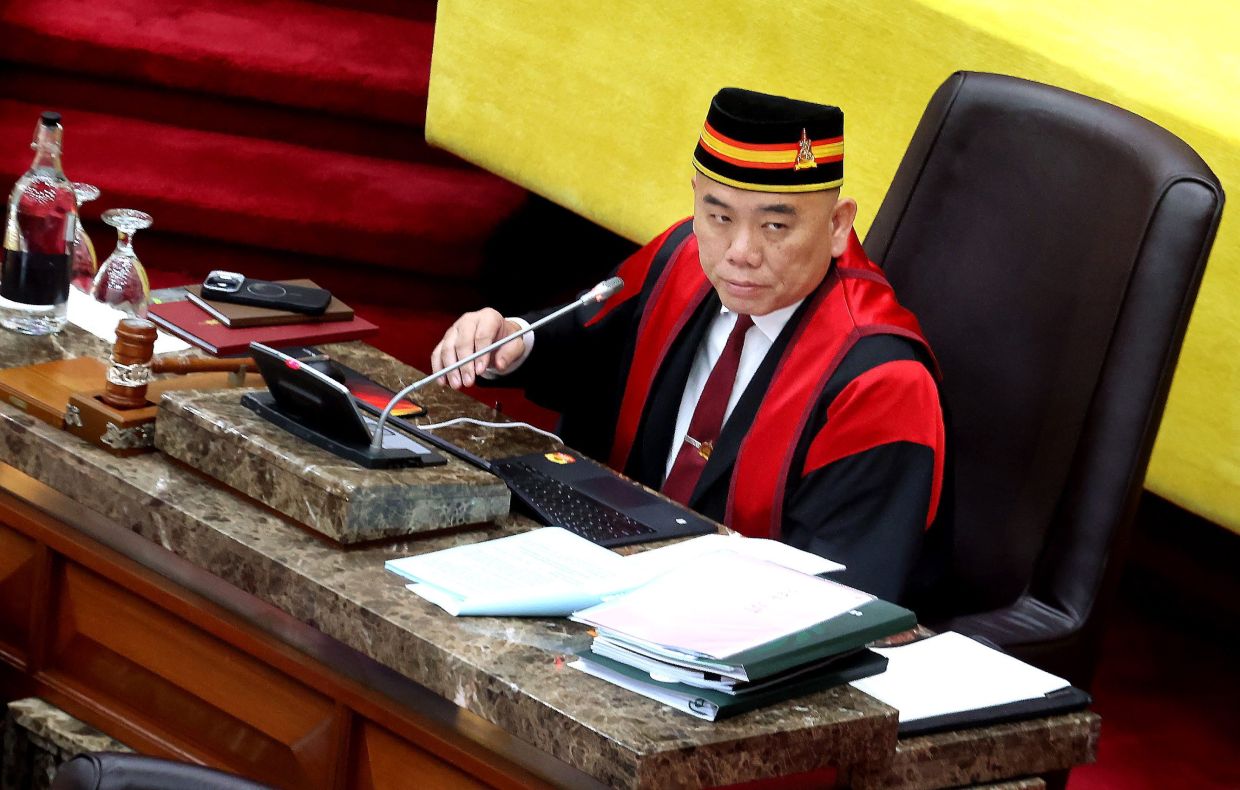
The Selangor state legislature is examining claims that one of its members has faced personal bankruptcy, according to Speaker Lau Weng San, who disclosed the inquiry while declining to identify the assemblyman in question. Speaking during the Monday sitting at Bangunan Dewan Negeri Selangor on August 3rd, Lau indicated that the investigation remains in its preliminary stages and that he would reserve judgment until all evidence has been thoroughly examined.
Lau's measured approach reflects the sensitive nature of the matter, which carries potential constitutional implications for the state assembly. The probe will cast a wide net, examining circumstances across multiple constituencies and involving various stakeholders relevant to the allegation. This comprehensive methodology suggests officials are treating the matter with appropriate gravity, recognizing that bankruptcy declarations can trigger specific provisions under state electoral law affecting a lawmaker's eligibility to serve.
The question of whether the alleged bankruptcy would necessitate a by-election ultimately rests with the Election Commission rather than state authorities. According to Lau, the federal body would determine the appropriate course of action should investigations confirm the allegations. This separation of powers underscores how Malaysia's constitutional framework delegates electoral decisions to independent commissions, ensuring that seat vacancies are handled through established procedures rather than arbitrary assembly decisions.
When pressed on the timeline for concluding the investigation, the Speaker resisted speculation about when a determination might be announced. He emphasized that rushing to judgment would be counterproductive, particularly given the potentially dramatic consequences for the individual involved and his constituency. The methodical pace reflects the Speaker's view that establishing facts definitively takes precedence over rapid closure, a principle that carries weight in matters affecting democratic representation.
Questions arose during the sitting about whether the unnamed assemblyman might be among those absent from Monday's proceedings. Lau clarified that lawmakers miss sittings for numerous legitimate reasons entirely unrelated to any misconduct, including approved medical leave and other justifiable circumstances. This distinction matters because unexplained absences can sometimes signal underlying issues, whereas documented leave represents normal parliamentary practice.
Selangor's state constitution establishes clear parameters for when a seat may be declared vacant, creating a specific procedural mechanism distinct from bankruptcy considerations. Under these provisions, an assemblyman's position becomes vulnerable only if he or she fails to attend six consecutive sitting sessions without providing formal notice or reasonable explanation to the Speaker. This relatively high threshold reflects a balance between holding members accountable for attending their legislative duties and preventing arbitrary removal through technicalities.
The Harumaini Omar precedent illustrates how these constitutional provisions operate in practice. The former Batang Kali assemblyman's seat was declared vacant on February 16, 2023, after he accumulated more than six months of unexcused absences from assembly proceedings. That case demonstrates that the Speaker possesses authority to enforce attendance requirements, though such action requires meeting the strict temporal and procedural criteria embedded in state law.
The investigation into potential bankruptcy carries significance beyond the individual assemblyman, as it touches on broader questions about the fitness of elected representatives to serve. While bankruptcy itself does not automatically disqualify someone from holding office in Malaysia's system, the circumstances surrounding financial distress and how an official responds to creditors can reflect on judgment and integrity. Public confidence in institutions depends partly on ensuring that representatives maintain basic financial responsibility.
For Malaysia's broader democratic system, such investigations demonstrate that state assemblies possess mechanisms for examining the conduct and circumstances of their members, even when those inquiries prove uncomfortable or politically sensitive. The transparent acknowledgment that an investigation is underway, combined with the Speaker's refusal to rush to conclusions, suggests institutional processes are functioning as designed. However, the opacity regarding the assemblyman's identity also reflects legitimate privacy considerations, as accusations remain unproven.
The resolution of this matter will likely set precedent for how Selangor handles similar allegations involving lawmakers' financial status in future. Should bankruptcy allegations prove substantiated, it would underscore that even elected officials remain subject to the same legal and financial consequences as ordinary citizens. Conversely, if investigation clears the individual, it demonstrates that the assembly takes such serious matters seriously while maintaining fairness and requiring substantial evidence before taking action.
Regionally, the case offers insight into how Malaysian state governments manage internal discipline and ensure that their legislatures maintain public trust. Unlike some jurisdictions where such matters might remain confidential indefinitely or be handled through informal channels, Selangor's approach emphasizes transparent investigation followed by determinations based on established constitutional principles and electoral law. This measured process, while potentially frustrating to those seeking immediate clarity, ultimately serves democratic accountability by ensuring decisions rest on thorough examination rather than rumor or political expediency.

