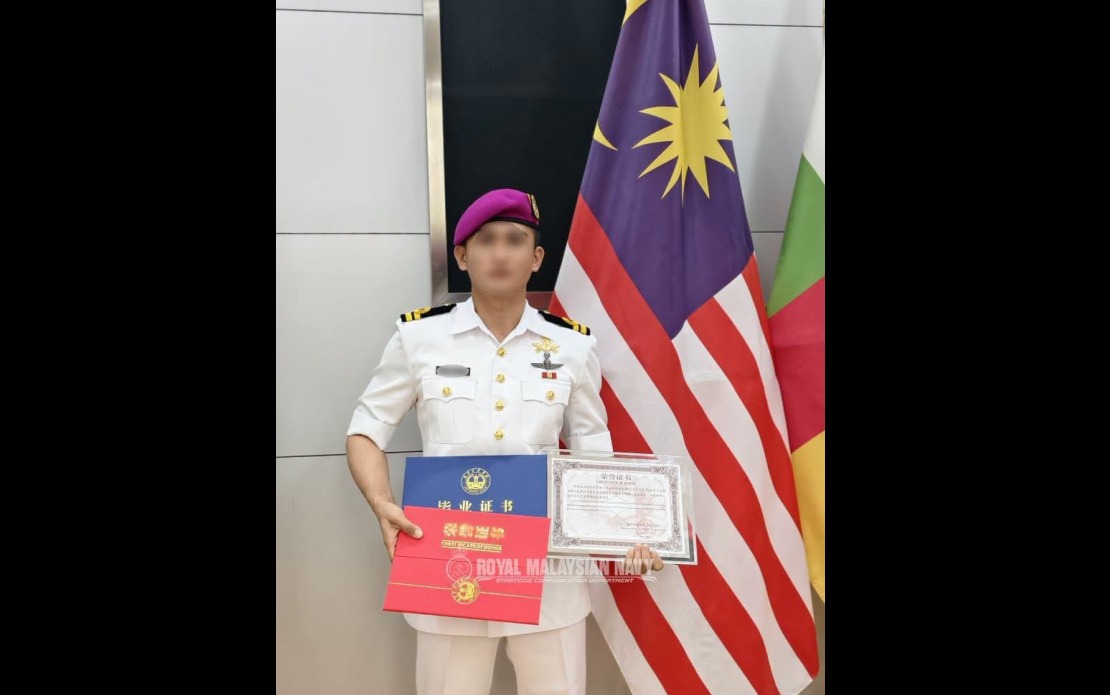
Sultan Sharafuddin Idris Shah, who holds the ceremonial title of Captain-in-Chief of the Royal Malaysian Navy, has publicly recognised a PASKAL officer for achieving the highest academic standing in a demanding international military training programme conducted at the PLA Infantry Academy's Shijiazhuang Campus in Hebei province. The training course, which ran from March 1 to July 31, saw the Malaysian serviceman emerge as the standout performer among a diverse cohort of international military personnel.
The achievement underscores Malaysia's continued commitment to enhancing the professional capabilities of its special forces units through partnerships with international military institutions. PASKAL, the Royal Malaysian Navy's specialist special operations command, has long maintained rigorous standards for personnel development and tactical proficiency. The selection of a Malaysian officer for such a prestigious course reflects the broader strategic cooperation between Malaysia and China in military training and defence collaboration, an area that has expanded significantly over the past decade.
The officer's accomplishments extended beyond the overall ranking. He received multiple commendations including the Excellent Student Award, signifying his mastery of advanced sniper techniques, ballistics, fieldcraft, and precision marksmanship—disciplines that represent the cutting edge of modern infantry combat training. Additionally, he was bestowed the Certificate of Honors - Excellent Cadre and Silver Badge Medals, recognising his exemplary conduct and performance throughout the intensive programme.
The significance of placing first among 131 students drawn from more than 24 countries cannot be understated. Such international military courses serve as valuable networking platforms where officers from allied nations exchange best practices and operational methodologies. Malaysia's representation at this level demonstrates the technical sophistication and competitive standing of the Royal Malaysian Navy's training ecosystem compared to regional and global counterparts.
Sultan Sharafuddin's formal statement emphasises the broader implications of this individual achievement for Malaysia's defence capabilities and international standing. By highlighting this success, the Sultan reinforced the message that excellence in military training translates to operational readiness and national security enhancement. The public recognition also serves a motivational function within PASKAL and the wider Royal Malaysian Navy, setting benchmark standards for professional aspiration among serving personnel.
The achievement carries particular relevance for Southeast Asia's security landscape. As regional maritime challenges intensify—ranging from piracy and smuggling to transnational threats—the calibre of specialised naval personnel becomes increasingly critical. PASKAL's operational responsibilities, including direct action, special reconnaissance, and maritime counter-terrorism missions, demand personnel trained to the highest international standards. The top-ranking sniper training qualification signifies that at least one element of Malaysia's capability in these domains has been validated against global benchmarks.
The training partnership with China's People's Liberation Army also reflects the pragmatic defence diplomacy pursued by Kuala Lumpur. While Malaysia maintains security relationships with established partners including the United States, Britain, and Australia, engagement with China's military institutions provides valuable exposure to different tactical philosophies and training methodologies. Such diversified partnerships strengthen rather than diminish Malaysia's position, enabling military planners to evaluate and integrate best practices from multiple sources.
Royal Malaysian Navy Chief Admiral Tan Sri Dr Zulhelmy Ithnain was similarly commended by Sultan Sharafuddin for overseeing an organisation that produces personnel capable of achieving such international recognition. This acknowledgment reflects the institutional responsibility placed on senior naval leadership to maintain training standards and create pathways for professional development. The RMN's capacity to identify and nurture personnel with potential for advancement at international institutions depends on sustained institutional investment in selection processes and mentorship.
The Sultan's statement also carried implicit messaging about national pride and soft power. Military achievements, particularly when attained on the international stage, contribute to a nation's perceived competence and reliability within security partnerships. Malaysia's visibility as a nation that produces highly trained military professionals enhances its diplomatic standing in bilateral and multilateral security dialogues, potentially influencing perceptions of its broader governance capacity.
For the broader Malaysian defence establishment, this recognition creates competitive incentives for other units and personnel to pursue excellence in their respective disciplines. The individual commendation serves a cascading motivational effect throughout hierarchical military structures, encouraging officers at various levels to pursue professional development opportunities that might elevate their expertise and their organisations' reputational standing. This dynamic is particularly valuable in maintaining organisational health and morale within demanding specialised units.
The international dimension of this training programme also highlights Malaysia's participation in the wider architecture of military professional development that characterises modern defence partnerships. By engaging with institutions like the PLA Infantry Academy, Malaysian officers gain exposure to advanced training methodologies and operational concepts while simultaneously building personal relationships with international military counterparts. These connections, cultivated through shared training experiences, often translate into improved interoperability and communication channels at higher strategic levels.

