Critical infrastructure protecting Selangor residents from flooding is under siege from increasingly brazen thieves and vandals, with damage and theft at the state's pump houses reaching a staggering RM400,000 in repair costs. The deteriorating security situation at these facilities is directly compromising the state government's ability to respond effectively to flood emergencies, exposing thousands of residents to heightened risk during monsoon seasons and heavy downpours. The problem has become serious enough to warrant urgent intervention from the highest levels of state administration, reflecting the substantial threat these criminal activities pose to public safety and infrastructure resilience across the state.
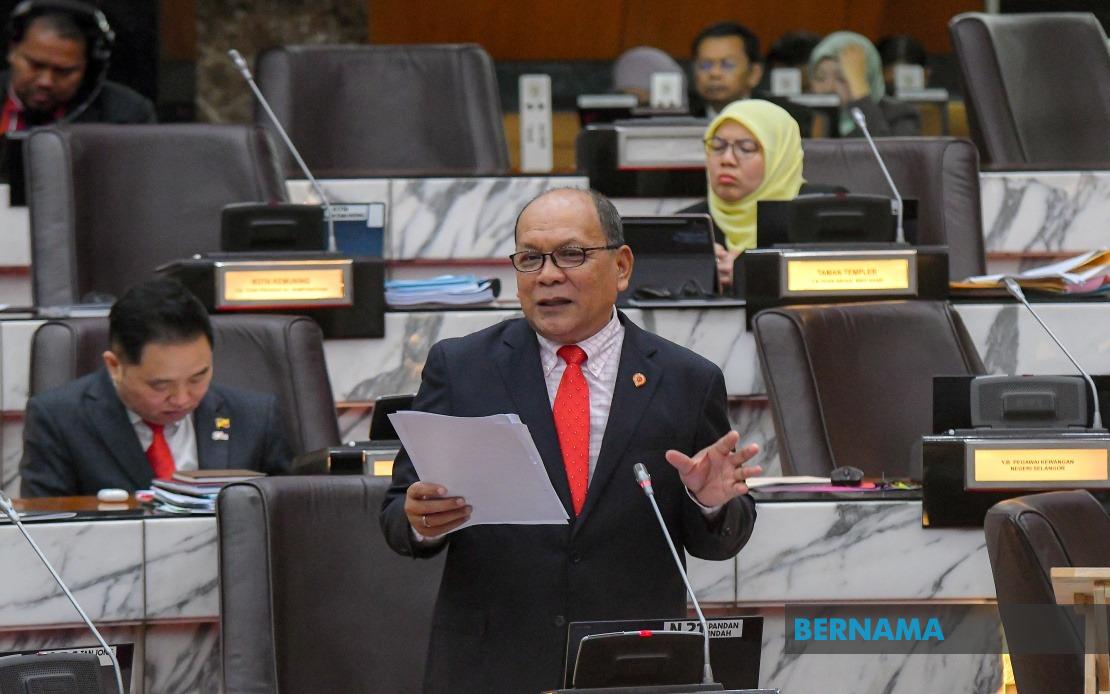
During recent proceedings in the Selangor State Legislative Assembly, Datuk Izham Hashim, the Infrastructure and Agriculture Committee chairman, disclosed the extent of the problem while outlining the government's coordinated response strategy. The issue gained prominence after Jefri Mejan, the Ijok assemblyman representing Perikatan Nasional, raised concerns about the effectiveness of enforcement measures and whether authorities were adequately protecting these essential facilities from criminal elements. Hashim acknowledged that the state administration had engaged with Selangor police leadership to devise a comprehensive security enhancement plan, signalling recognition that combating theft and vandalism requires a multi-agency approach rather than isolated departmental efforts.
The pump houses under threat serve as the operational backbone of Selangor's drainage and flood management infrastructure. When these facilities are damaged or stripped of critical components through theft, the cascading consequences extend far beyond repair bills. Compromised pump functionality directly translates to reduced flood control capacity, meaning residential areas may experience prolonged flooding during heavy rainfall events that could otherwise be mitigated through rapid water discharge. For low-lying communities and those in flood-prone zones, this infrastructure failure can create serious public health hazards, disrupt economic activity, and cause property damage worth significantly more than the initial repair costs when failures occur during critical weather events.
In response to the escalating problem, Hashim announced that the Drainage and Irrigation Department and Public Works Department have received explicit instructions to implement robust security enhancements across vulnerable pump house locations. The centrepiece of this security upgrade involves installing closed-circuit television systems to provide continuous surveillance and create a deterrent through documented evidence of criminal activity. The installation of CCTV cameras represents a practical measure that addresses both detection and prevention—criminals are less likely to target facilities they know are under constant observation, while any incidents that do occur will be recorded for investigation and prosecution purposes.
Beyond the technology-focused approach, Selangor authorities are pursuing a broader collaborative security framework that brings together multiple enforcement agencies and security entities. The state government has formally requested enhanced support from police units responsible for investigating property crimes and conducting patrols in areas surrounding critical infrastructure. This represents a significant commitment to treating pump house security as a priority law enforcement matter rather than a routine maintenance concern. The involvement of external security agencies in planning and implementing protective measures suggests the government recognizes that existing departmental security arrangements have proven insufficient against determined criminal syndicates.
The nature of thefts at these facilities warrants particular attention, as they typically target valuable metal components and electrical equipment that have ready resale value in scrap markets or among equipment dealers. The organized nature of such thefts—requiring knowledge of facility layouts and the ability to extract substantial components—suggests involvement of professional theft operations rather than opportunistic vandalism by casual offenders. This criminal sophistication makes the problem more challenging to address, as it requires not only better physical security but also law enforcement action targeting the downstream markets where stolen pump components are sold.
For Malaysian readers across the region, Selangor's infrastructure vulnerability carries implications beyond state boundaries. As Malaysia's economic heartland and most densely populated state, Selangor's resilience directly affects national economic stability and public safety. The RM400,000 figure represents only direct repair costs and does not account for lost productivity, emergency response expenses, or indirect economic losses when flooding disrupts commerce and transportation. The problem also highlights systemic vulnerabilities in how Malaysia protects critical public infrastructure, raising questions about whether similar threats exist at water treatment plants, electrical substations, and other essential facilities nationwide.
The incident reflects a broader challenge facing Malaysian local authorities: maintaining aging critical infrastructure while simultaneously protecting it from criminal activity in an environment of limited resources and competing budgetary priorities. Selangor's visible commitment to addressing the problem through CCTV installation and enhanced police coordination offers a practical model, though questions remain about whether these measures are sufficiently resourced and whether they address root causes such as inadequate remuneration for security personnel or weak penalties for equipment theft.
Moving forward, the effectiveness of Selangor's response will depend on consistent implementation of announced security measures and sustained police commitment to investigating and prosecuting those targeting pump house infrastructure. The state government's willingness to discuss the issue publicly and commit to specific remedial actions demonstrates accountability, yet success ultimately requires demonstration through reduced incident rates and recovered stolen equipment. The coming monsoon season will provide a crucial test of whether enhanced security measures translate into improved operational resilience for flood management systems when they are most critically needed.

