Selangor's state government has moved to translate environmental commitments into tangible financial incentives by introducing assessment tax reduction guidelines that will become effective from July 1. The initiative, unveiled as part of the Selangor Resilience Strengthening Package Phase 2, represents a coordinated effort to shift household energy consumption patterns toward renewable sources and sustainable practices across the state's residential sector.
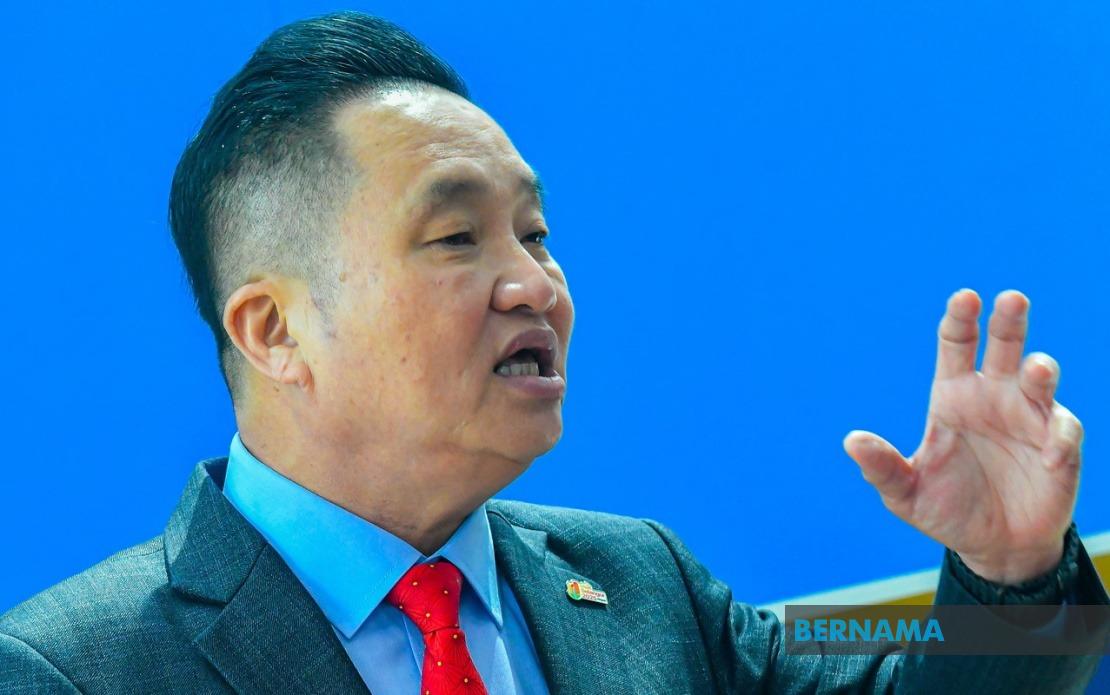
According to Ng Suee Lim, chairman of the State Tourism and Local Government Committee, the framework will extend assessment tax reductions to homeowners who embrace green technologies starting January 1, 2026. This eligibility window encompasses several categories of environmental investments, with solar panel installation forming the cornerstone of the programme. The state government recognises that residential solar adoption constitutes one of the most accessible and measurable pathways to reducing household electricity demand, particularly across Malaysia's tropical climate where solar irradiance remains consistent throughout the year.
Beyond photovoltaic systems, the guidelines cast a broader net to encourage comprehensive household sustainability. Energy-efficient appliances qualify for consideration, addressing the reality that domestic electricity consumption extends across refrigeration, air conditioning, water heating, and cooking equipment. Rainwater harvesting systems represent another qualifying category, acknowledging the increasing pressure on municipal water supplies across Selangor's rapidly urbanising landscape. These integrated investments reflect a systems-based approach to household resource management rather than isolated green technologies.
The state administration has also recognised the transportation sector's role in household carbon footprints by including electric vehicle ownership within the incentive framework. This inclusion addresses a critical gap in Malaysia's EV adoption trajectory, where purchase costs remain a significant barrier despite growing environmental awareness. By extending assessment tax benefits to EV owners, Selangor creates a financial counterweight to vehicle acquisition costs, potentially accelerating the transition from internal combustion engines within the state's vehicle fleet.
Recycling practices and domestic waste reduction complete the initiative's scope, signalling that assessment tax eligibility transcends capital-intensive investments to encompass behavioural changes. This broader interpretation recognises that household sustainability involves both technological infrastructure and consumption patterns. The inclusion of waste management reflects understanding that environmental impact extends beyond energy generation to encompass material flows through residential systems.
Menteri Besar Datuk Seri Amirudin Shari previously announced that residents completing green technology installations during the current year would receive a 100 per cent assessment tax rebate. This immediate incentive creates a critical window for accelerated adoption, though the July 1 effective date for ongoing guidelines introduces a structured phase that distinguishes between early adopters and subsequent participants. The combination of urgent incentives and permanent guidelines suggests a deliberate policy sequencing designed to build momentum while establishing enduring mechanisms.
The state government's framing of these reductions emphasises electricity consumption reduction and clean energy adoption as core policy objectives. Selangor's electricity generation mix remains heavily dependent on fossil fuels, creating environmental pressures that renewable residential solar could meaningfully address at scale. With approximately 1.5 million residential units across the state, even modest solar penetration rates would generate substantial displacement of conventional generation capacity.
A significant consideration involves implementation mechanics and verification processes that will determine the scheme's effectiveness. Authorities must establish clear documentation standards for green technology installation, energy efficiency ratings, and waste reduction practices. The absence of explicit detail regarding assessment procedures suggests these technical frameworks remain under development, potentially affecting take-up rates if processes become administratively burdensome for applicants.
The question of green technology waste disposal presents a complex challenge that the state government acknowledges but has not yet fully addressed. Solar panels typically remain functional for 25 to 30 years but eventually require recycling or disposal. Electric vehicle batteries pose similar long-term management questions. Ng Suee Lim's commitment to exploring sustainable disposal methods indicates awareness of environmental risks, but deferred solutions risk creating future liabilities. The absence of integrated circular economy frameworks could undermine environmental gains if end-of-life management generates new environmental damage.
For Malaysian homeowners, the initiative offers concrete financial relief for environmentally conscious investments that might otherwise lack immediate financial justification. Assessment tax represents a regular municipal charge, making tax reductions cumulative benefits across property ownership lifespans. This approach differs from time-limited rebates, creating sustained incentives for continued green practises rather than one-time adoption events.
The scheme's implications extend beyond individual households to influence Selangor's energy infrastructure planning. Widespread residential solar adoption would alter demand patterns, reduce peak consumption periods, and potentially defer expensive grid expansion investments. Collective transportation electrification through EV incentives would shift fuel demand away from petroleum products toward electricity, further increasing renewable generation requirements and potentially justifying accelerated coal-to-renewables transitions in the state's power sector.
Neighbouring states across Malaysia may view Selangor's initiative as a policy model, particularly as renewable energy targets intensify across the region. If successful implementation generates measurable reductions in residential energy consumption and carbon emissions, other state governments may pursue similar assessment-based incentive structures adapted to their respective residential markets and renewable resource availability.
The scheme's success ultimately depends on public awareness, straightforward application procedures, and perceived financial significance of assessment tax reductions relative to installation costs. Early engagement with resident associations, property developers, and renewable energy providers will prove critical for translating legislative intent into household-level adoption. Monitoring frameworks measuring participation rates and energy consumption changes will determine whether Selangor's initiative establishes a replicable model for incentivising residential sustainability across Malaysia.