Malaysia has taken a significant step in combating child sexual exploitation by securing Senate approval for the Sexual Offences Against Children (Amendment) Bill 2026, legislation designed to close jurisdictional loopholes that previously allowed offenders to escape prosecution for crimes committed outside the country. The Dewan Negara's passage of the bill represents a critical reinforcement of Malaysia's child protection framework at a time when perpetrators increasingly exploit transnational networks and digital technologies to target vulnerable children across borders.
The urgency of this legislative action becomes clear when examining recent crime statistics. Between 2021 and 2025, reported cases of child sexual offences involving foreign nationals surged by 117 percent, climbing from 1,095 incidents to 2,385 cases. More alarming still, the number of foreign suspects arrested in connection with these crimes nearly tripled, rising from 67 in 2021 to 148 in 2025. These figures reveal a troubling pattern that extends far beyond Malaysia's shores, with the majority of foreign perpetrators originating from neighbouring Indonesia, Bangladesh, Myanmar, and Pakistan—nations with which Malaysia shares porous maritime borders and significant labour migration flows.
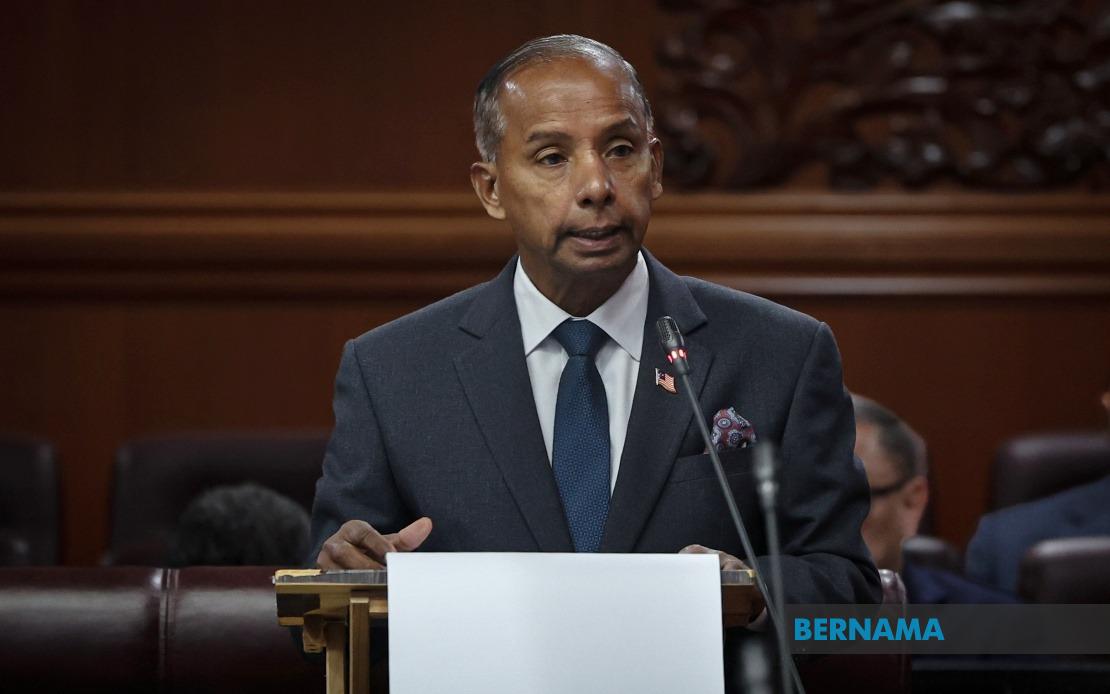
Deputy Minister M. Kulasegaran, speaking in his capacity overseeing law and institutional reform under the Prime Minister's Department, emphasised that Malaysia's previous jurisdictional framework was inadequate to address the scope of modern child exploitation. The traditional approach, which limited prosecutorial power to crimes occurring within Malaysian territory, created dangerous safe havens for predators who maintained connections to the country while committing offences abroad. The amendment fundamentally restructures this approach by establishing that any individual with substantial ties to Malaysia—whether as a citizen, resident, or through prior presence in the country—cannot evade justice by committing crimes in foreign jurisdictions. This extraterritorial reach represents a significant expansion of state capacity to protect its most vulnerable citizens.
The evolution of technology has transformed child sexual exploitation into an increasingly sophisticated criminal enterprise that defies traditional geographical boundaries. The introduction of artificial intelligence and deepfake technology has created new methods for generating, distributing, and profiting from child sexual abuse material (CSAM). Recognising this threat, Malaysia's law enforcement apparatus has established five strategic investigative protocols specifically designed to address technology-enabled sexual crimes. These protocols encompass the seizure and preservation of digital evidence to maintain chain-of-custody integrity, sophisticated forensic examination through analysis of system logs and cryptographic hash values, and advanced AI content analysis to detect manipulated imagery and videos.
The forensic investigative framework established by the Royal Malaysia Police represents a modernisation of criminal procedure necessary to secure convictions in digital-age crimes. The process begins with meticulous collection and preservation of digital evidence, ensuring that every file and data fragment maintains an unbroken evidentiary chain admissible in court proceedings. Subsequently, investigators perform detailed forensic examinations, scrutinising system logs and comparing file hash values to verify authenticity and detect tampering. The third investigative pillar addresses the emerging challenge of artificial intelligence by developing detection capabilities for deepfake content, allowing prosecutors to distinguish between real and synthetically generated abuse material. The fourth approach involves gathering corroborating evidence from telecommunications providers and digital platforms, establishing the crucial link between suspects and their criminal conduct. Finally, digital forensic experts prepare comprehensive reports documenting their scientific findings, providing judges with technical evidence grounded in established forensic principles.
For Malaysia's regional standing, this legislative development signals a commitment to international child protection standards and cooperation frameworks. Southeast Asia confronts particular vulnerabilities to child sexual exploitation due to economic disparities, inadequate digital literacy, and underfunded law enforcement agencies in some jurisdictions. Malaysian authorities recognise that unilateral action, while necessary, remains insufficient without coordinated regional efforts. The amendment's extraterritorial provisions create legal foundations for cooperation with ASEAN neighbours and international partners, enabling information-sharing agreements and joint investigative operations that cross national boundaries. This approach acknowledges the reality that perpetrators often exploit the gaps between differing national legal systems, moving seamlessly between countries while distributing contraband material globally.
The legislative journey leading to today's Senate approval reflects considered deliberation rather than hasty action. The bill initially passed the Dewan Rakyat on June 30, permitting extended parliamentary scrutiny before Senate consideration. This measured pace allowed stakeholders—including law enforcement, civil society organisations, and child protection advocates—to provide input shaping the amendment's precise formulation. Minister Datuk Seri Azalina Othman Said, when presenting the bill for its second reading, articulated the government's principled stance that Malaysia would neither compromise with nor tolerate child exploitation in any form. Her statement underscored that despite the bill's relative brevity, its substantive impact would be transformative, extending enforcement authority into previously uncovered scenarios.
The amendment's specific targeting of cases involving individuals with Malaysian connections reflects pragmatic legislating that respects international law norms while maximising practical prosecutorial reach. Rather than asserting universal jurisdiction over all child sexual offences globally—an approach that would face diplomatic resistance—the legislation conditions extraterritorial application on the presence of a meaningful nexus to Malaysia. This nexus might involve Malaysian citizenship, residency at the time of the offence, or substantial prior connection to the country. Such framing ensures that Malaysia neither overreaches beyond legitimate state interests nor claims authority inconsonant with international legal principles, while simultaneously closing the loophole whereby individuals with clear Malaysian connections previously escaped accountability for offshore crimes.
Implementing this expanded jurisdictional framework presents substantial practical challenges that extend beyond legislative language. Malaysian courts will require training in managing digital evidence and artificial intelligence-generated material, areas where forensic expertise remains nascent. Prosecutors must develop specialised competencies in proving offshore crimes, gathering evidence from foreign jurisdictions, and coordinating with international law enforcement agencies. The judiciary will confront novel questions regarding the admissibility of digital evidence and the reliability of AI detection systems, developing case law that clarifies boundaries between legitimate offshore activity and prosecutable conduct. These implementation hurdles should not diminish the amendment's significance, but they underscore that passage represents a beginning rather than a conclusion to Malaysia's evolving response to transnational child exploitation.
The timing of this legislative action coincides with growing international recognition that child sexual exploitation has become increasingly sophisticated and organised. Criminal networks operate across continents, monetising abuse through subscription services and cryptocurrency payments that obscure financial trails. The recruitment of victims often occurs through social media platforms, with predators grooming children in Southeast Asia while physically located elsewhere. Malaysian policymakers recognised that reactive prosecution of crimes discovered within national territory, while necessary, cannot adequately address an industry predicated on anonymity and geographical displacement. The amendment shifts Malaysia toward a more proactive posture, enabling authorities to pursue perpetrators regardless of where offences occurred, provided those individuals maintained sufficient connection to Malaysian jurisdiction.
Looking beyond Malaysia's borders, this legislative development carries implications for ASEAN regional cooperation on child protection. The bloc has long recognised child sexual exploitation as a transnational threat requiring coordinated responses, yet fragmented national legal frameworks have hindered effective enforcement. Malaysia's expansion of extraterritorial jurisdiction creates opportunities for bilateral and multilateral agreements with neighbouring states. Information-sharing protocols, joint task forces, and harmonised legal standards become more feasible when member states possess compatible jurisdictional foundations. The amendment thus positions Malaysia as a potential leader in regional child protection initiatives, though realising this potential depends on sustained political commitment and adequate resourcing of investigative and prosecutorial capacity.
Beyond the strictly legal dimensions, the passage of this amendment reflects evolving societal attitudes toward child protection in Malaysia. The overwhelming parliamentary support evident in both lower and upper house proceedings suggests that child safety transcends partisan political divisions, garnering consensus across the political spectrum. Public awareness campaigns accompanying legislative implementation will prove crucial in ensuring that parents, educators, and young people understand the expanded legal protections now available. Community engagement strategies that demystify digital forensic evidence and explain the amendment's implications can help build public confidence in Malaysia's capacity to address child exploitation effectively. Civil society organisations should be mobilised as partners in implementation, contributing their expertise in victim support, prevention education, and coordination with international networks dedicated to eradicating child sexual abuse globally.

