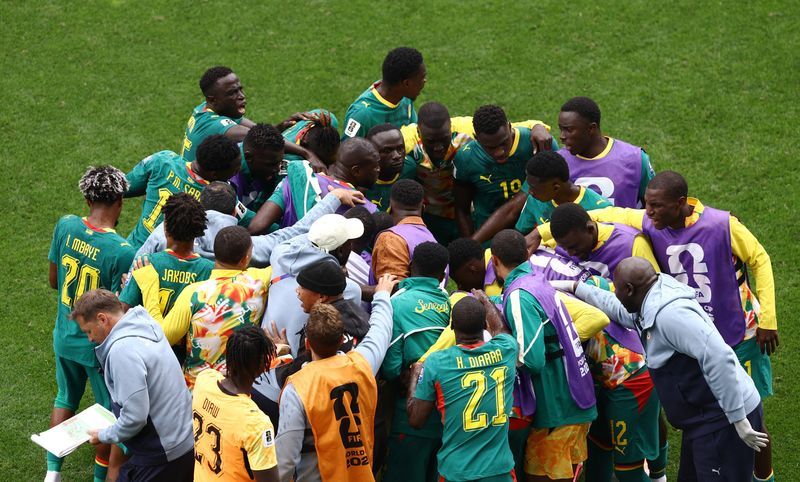
Senegal's football federation has raised serious concerns about the medical competency of its national team doctor, alleging inadequate specialist training that undermined player confidence during the World Cup in North America. Federation president Abdoulaye Fall disclosed at a press conference that the doctor's background in gynaecology rather than sports medicine became apparent only late in preparations, prompting the federation to seek supplementary medical support to reassure squad members about their health coverage.
Fall explained that feedback from players indicated insufficient confidence in the medical expertise being provided to the squad. This disclosure occurred as the federation conducted a thorough assessment of a tournament that fell short of expectations. The federation acknowledged taking immediate action to bolster medical support arrangements once the concern surfaced, recognising that player welfare and confidence in medical care remained paramount considerations during international competition.
The specific intervention involved sourcing additional medical professionals whom Fall believed carried sufficient credentials and standing to reassure the players. His comments underscored the fundamental principle that health considerations supersede other operational factors within a national sporting programme. The attempt to provide supplementary expertise reflected the federation's effort to address mounting player apprehension regarding the quality of medical supervision available to them during the tournament.
However, the Senegalese Association of Sports Medicine promptly and firmly rejected these allegations, issuing a statement dismissing the federation's claims as without foundation and potentially damaging. The association defended the credentials of the team doctor, Abderahmane Fediore, emphasising that he holds a specialist diploma in sports medicine and sports biology from the faculty of medicine at Cheikh Anta Diop University. This qualification directly contradicts the federation's characterisation of his background.
Fediore's professional track record further substantiates the sports medicine association's position. He previously directed the physiotherapy department at Fann Hospital, demonstrating substantial experience in physical medicine and rehabilitation. More significantly for the current dispute, he has served as Senegal's team doctor continuously since 2017, providing medical support across three FIFA World Cups and five Africa Cup of Nations tournaments. This extended tenure suggests both institutional confidence and practical experience managing medical demands at the highest competitive level.
The clash between the federation and the medical association highlights potential organisational tensions within Senegal's football administration. Whether the criticism reflects genuine medical concerns or reflects frustration over tournament performance remains unclear. The federation's decision to engage additional medical expertise indicates at minimum a perception problem regarding player confidence, though whether this reflected legitimate medical gaps or psychological factors remains contested.
Senegal's disappointing World Cup performance provided the backdrop for these revelations. The squad had entered the tournament with considerable optimism following their victory over Morocco in the Africa Cup of Nations final held in January, positioning themselves as realistic contenders for deeper tournament progression. Instead, the campaign yielded decidedly underwhelming results that prompted organisational soul-searching.
The team's competitive difficulties began immediately, with successive defeats to France and Norway in their opening group matches establishing early setbacks. More painfully, Senegal surrendered a commanding two-goal advantage against Belgium late in their knockout match, ultimately losing 3-2 after extra time. This collapse from a position of strength exemplified the tournament's overall disappointment and may have contributed to the federation's willingness to scrutinise all aspects of team management.
These setbacks prompted the federation to remove coach Pape Bouna Thiaw from his position on Saturday, acknowledging that World Cup results necessitated a managerial change. The coaching decision reflected broader accountability measures as the federation attempted to identify factors contributing to underperformance. The simultaneous emergence of medical credential questions suggests a comprehensive review process examining all support systems surrounding the national team.
For Malaysian and Southeast Asian football observers, the Senegal controversy raises important questions about governance transparency and accountability within national football federations. The dispute also illustrates how institutional credibility depends not merely on formal qualifications but on maintaining player confidence and managing perceptions effectively. The incident serves as cautionary reminder that credentials alone cannot substitute for clear communication and stakeholder reassurance during high-pressure international competitions.
The broader significance for regional football administrators centres on ensuring adequate medical infrastructure and transparent communication about specialist support available to national squads. As Southeast Asian nations continue developing their own football programmes and pursuing World Cup qualification, establishing robust medical governance structures and clear lines of accountability becomes increasingly important. The Senegal case demonstrates how medical shortfalls or perceived inadequacies can compound disappointing tournament results and undermine institutional trust.

