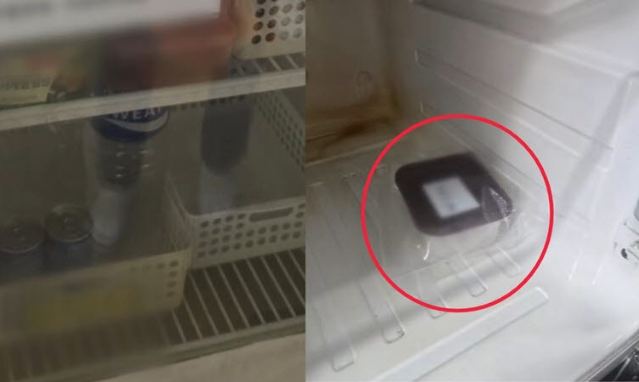
A nursing hospital in Seoul faces official scrutiny from South Korea's Health Ministry following the discovery of a patient's severed toe stored in a kitchen refrigerator alongside food and condiments. The revelations, made public on August 19, have raised serious questions about medical waste handling procedures and patient care standards at the facility, prompting administrative investigation by local government authorities.
The severed digit belonged to a man in his sixties with intellectual disabilities who had resided at the hospital for a decade. According to the patient's family, the toe had been placed inside a disposable porridge container and left in the refrigerator for approximately two weeks before relatives discovered it during a visit. The storage location—a common kitchen fridge rather than a designated medical waste container—represents a significant breach of established medical facility protocols and food safety standards.
The incident reportedly occurred in March when hospital staff informed the family that the patient had sustained an injury while being transferred in a wheelchair to bathe. They explained that during this movement, a toe already compromised by skin necrosis became detached from the patient's foot. However, the family later discovered documentation in the hospital's nursing records showing that the patient had been diagnosed with a foot ulcer as far back as December, a condition they had never been formally notified about despite its serious implications for his health and care requirements.
This lack of transparent communication between medical staff and family members raises broader concerns about accountability in patient care. The family's lack of awareness about the underlying foot condition—which would have been crucial information for understanding the toe's detachment—suggests deficiencies in how hospitals communicate critical health information to guardians of vulnerable patients. For families managing the care of disabled relatives in institutional settings, such communication gaps can prevent them from advocating effectively for appropriate treatment and monitoring.
South Korean medical waste regulations, established under the Waste Control Act, explicitly require medical facilities to store human tissue and similar biological waste in designated containers rather than standard refrigeration equipment. The storage of human remains alongside food items also potentially violates food sanitation regulations designed to protect public health. These legal requirements exist precisely to prevent the kind of contamination and cross-contamination risks that could arise from improper storage methods.
When confronted about the inappropriate storage, hospital administrators defended their decision by claiming they lacked suitable containers for preserving the severed toe. They stated that a nurse had made an urgent decision to place the digit in the kitchen refrigerator as an emergency response to an unanticipated situation. This explanation, however, underscores a more fundamental problem: the facility's failure to maintain adequate medical waste management infrastructure despite operating as a licensed healthcare institution for vulnerable populations who may require such equipment.
The incident highlights vulnerability patterns affecting patients with intellectual disabilities in institutional care settings across East Asia. Such individuals often depend entirely on facility staff for their wellbeing and have limited ability to report mistreatment or substandard conditions to external parties. Without vigilant family involvement or robust institutional oversight mechanisms, lapses in care standards can persist undetected for extended periods, as evidenced by the two-week delay before the family discovered the toe.
For Malaysian healthcare stakeholders and patient advocates, this case offers instructive lessons about maintaining rigorous oversight of nursing homes and care institutions. Malaysia's healthcare regulatory framework includes standards for medical waste management and patient care protocols, yet enforcement consistency across private nursing facilities remains an ongoing concern. The Seoul case demonstrates how seemingly isolated incidents—a single severed toe—can reveal systemic deficiencies in institutional governance, staff training, and regulatory compliance across an entire facility.
The Health Ministry's decision to initiate administrative investigation signals official recognition that the incident represents more than a simple procedural mistake. Such investigations typically examine not only the immediate incident but also broader patterns of compliance, staff competency, management oversight, and whether other patients may have experienced similar lapses in care standards or documentation transparency.
This situation also underscores the importance of families remaining actively engaged with institutional care facilities. Regular visits, requests for medical documentation, and attentiveness to unexplained injuries or conditions can help identify problems before they escalate into more serious incidents. For families in Southeast Asia managing the care of disabled relatives in institutional settings, maintaining strong communication channels with medical staff and requesting regular updates about diagnoses, treatments, and incidents—no matter how minor they may seem—remains essential.
The incident carries implications for how nursing homes across the region approach training, resource allocation, and emergency protocols. Even when faced with genuinely unexpected situations, institutional responses should prioritize adherence to established medical waste procedures and regulatory requirements. The hospital's explanation that they lacked appropriate containers raises questions about whether similar facilities have conducted adequate assessments of their infrastructure and equipment needs.

