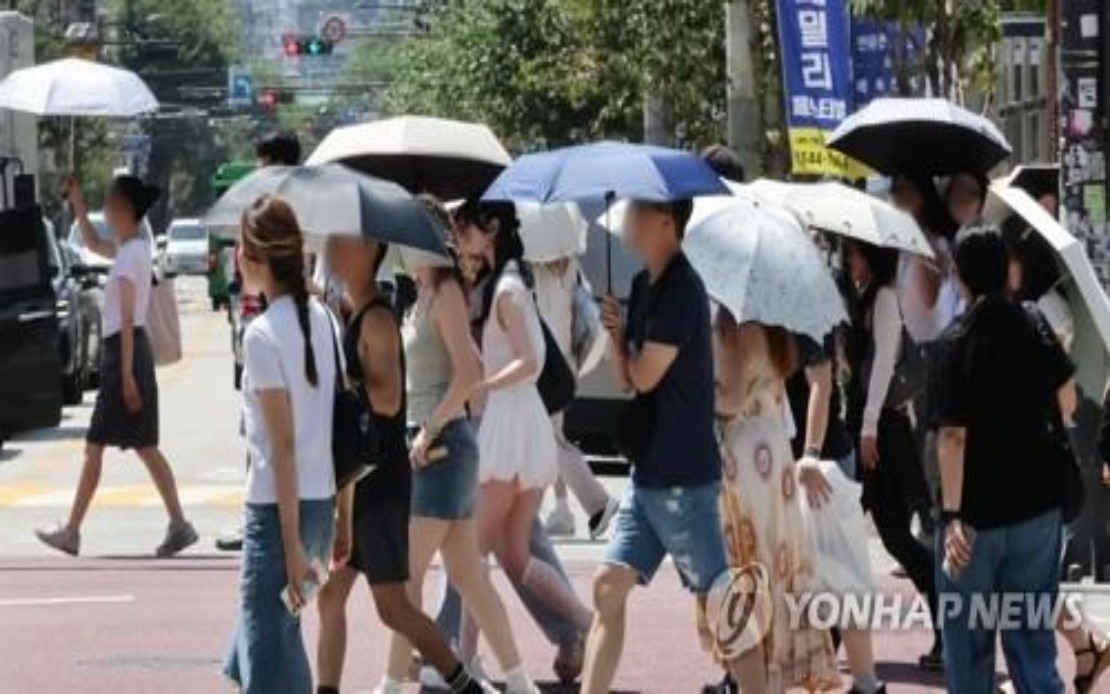
South Korea's capital has experienced a dramatic spike in temperatures, with Seoul and at least two other cities crossing the 40-degree-Celsius threshold on Friday, according to data from the Korea Meteorological Administration. The mercury climbed to 40.2°C at an automated weather monitoring facility in Seoul's Nowon district during early afternoon hours, signalling the return of extreme heat conditions not witnessed in the capital for nearly six years. This latest surge underscores the relentless nature of the ongoing heat emergency gripping the Korean peninsula and raises fresh concerns about public health and climate trends in the region.
The reading in Seoul's northern ward represents a significant milestone in the country's current meteorological crisis. The last occasion on which the capital experienced temperatures surpassing 40°C occurred in August 2018, when the city recorded a peak of 41.8°C, making the current event noteworthy within recent weather records. The Korea Meteorological Administration's data confirms that Seoul had been spared such extreme conditions in the interim years, but the current atmospheric pattern has broken this streak with considerable intensity. The concentration of such heat in an urban environment of Seoul's scale creates compounded risks for the millions of residents, particularly vulnerable populations including the elderly and those with pre-existing health conditions.
The extreme conditions extended well beyond the capital, affecting neighbouring and distant regions across the country. Hanam's Deokpung district, located immediately southeast of Seoul in the metropolitan periphery, registered an even higher temperature of 40.7°C during the same afternoon period, becoming one of the hottest zones during this event. Further south, the city of Gwangyang, positioned approximately 300 kilometres from the capital, also experienced scorching heat with temperatures reaching 40.2°C. Meanwhile, inland areas demonstrated similarly dangerous conditions, with Yeongweol county in Gangwon Province and Yeoju in Gyeonggi Province each recording temperatures of 39.8°C. This geographical distribution indicates that the heat wave represents a broad-based phenomenon affecting multiple climate zones and population centres rather than a localised spike, suggesting systemic atmospheric conditions driving the extreme conditions.
The intensity of this heat wave has already established new records within South Korea's modern meteorological history. Between June 1 and the period in question, the nation averaged 14.8 days classified as heat wave conditions, defined as periods when daytime temperatures reach 33°C or above. This figure ranks as the fourth highest for this specific timeframe since Korea's nationwide weather observation network was established in its expanded form during 1973, placing the current episode among the most severe on the historical record. More strikingly, the number of tropical nights—those characterised by minimum temperatures remaining above 25°C even after sunset—reached an unprecedented 13 days, establishing a new national record for this metric. These statistics illustrate that the current heat event is not merely a brief spike but rather a sustained period of elevated temperatures creating compounding physiological stress on both human populations and natural systems.
The Korea Meteorological Administration implemented significant policy responses in reaction to the escalating danger. Seoul and certain eastern and southwestern regions of the country had been placed under the most severe heat warning classification since Tuesday of that week. However, recognising that conditions were expected to moderate slightly during the weekend, the agency announced its intention to downgrade these critical alerts to ordinary warning status as of 6 pm Friday. This tactical adjustment reflected meteorological projections indicating that morning temperatures would range between 21°C and 26°C nationally over the following days, with daytime highs expected to settle into the 26°C to 35°C band across most regions. Although such cooling represents a reduction from the day's extremes, projected temperatures would remain well above what might be considered typical summer conditions in most temperate regions.
The warning system itself operates according to specific thresholds established by the Korea Meteorological Administration to protect public safety. A serious heat wave warning—the most elevated classification—triggers when apparent temperature readings, which account for humidity alongside actual thermometer readings, are projected to attain 38°C or higher. Alternatively, such warnings activate when daily maximum temperatures reach 39°C or above in localities where the highest perceived temperature typically remains at 35°C or higher, provided such conditions are forecast to persist for at least two consecutive days. These technical definitions reflect scientific understanding of the physiological burden that compounded heat and moisture place on human bodies, particularly concerning the risk of heat exhaustion and heat stroke. The decision to maintain at least ordinary-level warnings even after downgrading from critical status suggests that public health authorities anticipate conditions will remain hazardous despite the projected moderation.
For regional observers including those in Malaysia and across Southeast Asia, South Korea's experience offers important perspective on the escalating climate pressures affecting East and Southeast Asian territory. The concentration of record-breaking temperature and humidity metrics within a single weather event demonstrates how rapidly climate systems can produce dangerous conditions in densely populated areas. Southeast Asian nations, particularly those in tropical and subtropical zones already operating near thermal thresholds, face comparable and potentially more acute risks from extreme heat intensification. South Korea's institutional response—including graduated warning systems and public communication protocols—represents a developed-nation approach to climate hazard management that may offer instructive examples for regional governments. Furthermore, the establishment of new records in a nation with 50 years of systematic weather observation suggests that climate patterns are shifting in ways that exceed historical precedent, with implications extending across the entire region.
The human dimensions of this heat emergency deserve particular emphasis. Unlike severe weather events such as typhoons or flooding, heat waves frequently receive less public attention despite comparably serious mortality and morbidity impacts. Vulnerable populations including elderly citizens, those engaged in outdoor labour, and individuals with chronic health conditions face disproportionate risk during such episodes. South Korea's dense urban environment concentrates exposure risk while potentially amplifying heat through urban heat island effects, where built infrastructure and reduced vegetation increase ambient temperatures beyond surrounding rural areas. Public health systems must manage surge capacity for heat-related conditions whilst simultaneously maintaining routine medical services, creating significant institutional strain. The weekend's projected moderation provides critical respite but does not resolve the underlying risk posed by the broader heat wave pattern expected to persist through the meteorological summer season.
Looking forward, the trajectory of heat wave frequency and intensity across Korea and the wider East Asian region raises significant questions about climate adaptation. The recurrence of extreme heat events at shorter intervals—with Seoul now experiencing 40°C+ conditions twice within six years rather than as once-per-generation occurrences—suggests that infrastructure designed for historical climate conditions may prove inadequate for emerging realities. Energy systems face heightened demand for air conditioning and cooling, potentially stressing electrical grids during peak afternoon hours when generation capacity from solar sources peaks but demand simultaneously reaches maxima. Water systems may experience strain as competing demands for irrigation, industrial cooling, and human consumption surge simultaneously. Urban planning approaches that emphasise compact, efficient development may inadvertently increase vulnerability to heat without parallel investments in green infrastructure, shade provision, and cooling centres. Regional policymakers observing Korea's experience may recognise the necessity of proactive rather than reactive approaches to heat wave risk management.

