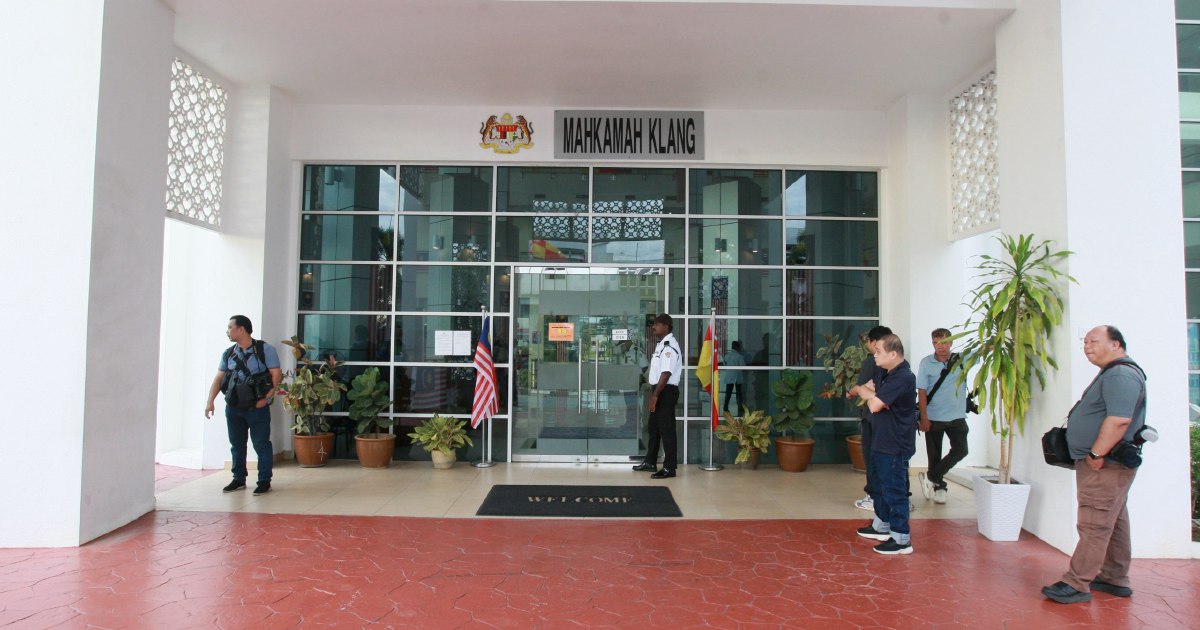
The Sessions Court in Klang presented a subdued scene this morning as proceedings advanced in the case involving the death of a dog identified as Rocky, with a 24-year-old individual positioned to face formal charges. The relative quietness surrounding the courthouse stood in contrast to the intensity that such animal welfare cases have generated across Malaysia's social media landscape in recent months, reflecting perhaps a cautious approach by both supporters and observers keen to allow the legal process to unfold without disruption.
The case has captured significant public attention, tapping into growing concerns about animal cruelty and the treatment of pets within Malaysian society. Rocky's death triggered widespread discussion online and offline, with many Malaysians expressing their sentiments regarding animal welfare standards and enforcement mechanisms available under existing legislation. The incident underscores the emotional connection people maintain with their pets and the broader societal expectations surrounding responsible pet ownership and accountability for harm caused to animals.
The anticipated charges represent a pivotal moment in legal proceedings that authorities have pursued following investigations into the circumstances surrounding Rocky's death. The specific charges to be filed would carry particular significance in establishing precedent for how Malaysian courts handle animal-related cases and what standards of accountability apply to individuals accused of causing harm to companion animals. This development may influence how future similar cases are treated within the judicial system and what remedies are available to aggrieved pet owners seeking justice.
The subdued atmosphere outside the courthouse on the day of charging proceedings suggests that both legal representatives and interested parties understood the gravity of maintaining court decorum and allowing judicial processes to proceed without external pressure or public demonstrations. Such restraint contrasts with other high-profile cases in Malaysia where courtroom proceedings have occasionally been accompanied by significant public mobilization and media attention. The managed environment may reflect lessons learned from previous instances where emotional public investment in particular cases created logistical and security challenges for court operations.
For Malaysian animal welfare advocates, this case represents an opportunity to observe how courts interpret and apply existing animal protection legislation when addressing allegations of harm or cruelty. The outcomes could shape future enforcement strategies and influence how prosecutors approach similar complaints. The case also serves as a litmus test for public expectations regarding judicial responsiveness to animal welfare concerns, an area where Malaysian legislation and enforcement have historically received criticism from international animal rights organizations.
The 24-year-old suspect's appearance before the Sessions Court marks a transition from investigative stages to formal adjudication. The charging process establishes the specific legal framework within which the case will proceed, determining what elements prosecutors must prove and what defenses might be available to the accused. The nature and severity of charges filed will substantially influence potential penalties, including possible imprisonment terms or financial sanctions, and will shape how the legal system ultimately responds to allegations of causing Rocky's death.
Animal welfare issues have gained increased prominence in Malaysian public discourse, with younger citizens particularly vocal about expectations for stronger protections and more rigorous enforcement of existing laws. This generational shift in attitudes toward animal rights may influence how courts perceive such cases and what weight they assign to public sentiment regarding appropriate penalties. The Rocky case thus occurs within a broader context of evolving social values regarding human-animal relationships and societal obligations toward creatures in human care.
The quiet maintained around Klang Sessions Court this morning also reflects practical court management considerations, with authorities likely implementing measures to ensure orderly proceedings and prevent disruptions that might compromise the judicial process. Malaysian courts have developed protocols for managing high-profile cases, balancing public interest in proceedings with the necessity for unobstructed legal administration. The restraint demonstrated by those monitoring the case suggests broad understanding of these considerations among the interested public.
The charges being filed represent the formal state position regarding culpability for Rocky's death and establish the legal burden that prosecutors must satisfy through evidence and testimony. The specific formulations will determine not only potential punishments but also the symbolic message the legal system sends regarding animal welfare protection. For Malaysian society, the manner in which courts handle this case—from charging through verdict—will contribute to evolving jurisprudence on animal cruelty and inform public expectations for future similar proceedings.
As the case progresses through the court system, observers across Malaysia will likely monitor developments closely, given the widespread emotional investment in animal welfare matters. The outcome may catalyze discussions about legislative reform, strengthening of enforcement mechanisms, or refinement of sentencing guidelines for animal-related offenses. The proceedings at Klang Sessions Court thus carry implications extending beyond the immediate facts of Rocky's death, potentially influencing how Malaysian law addresses animal protection moving forward and what standards of accountability society demands from those responsible for harm to companion animals.

