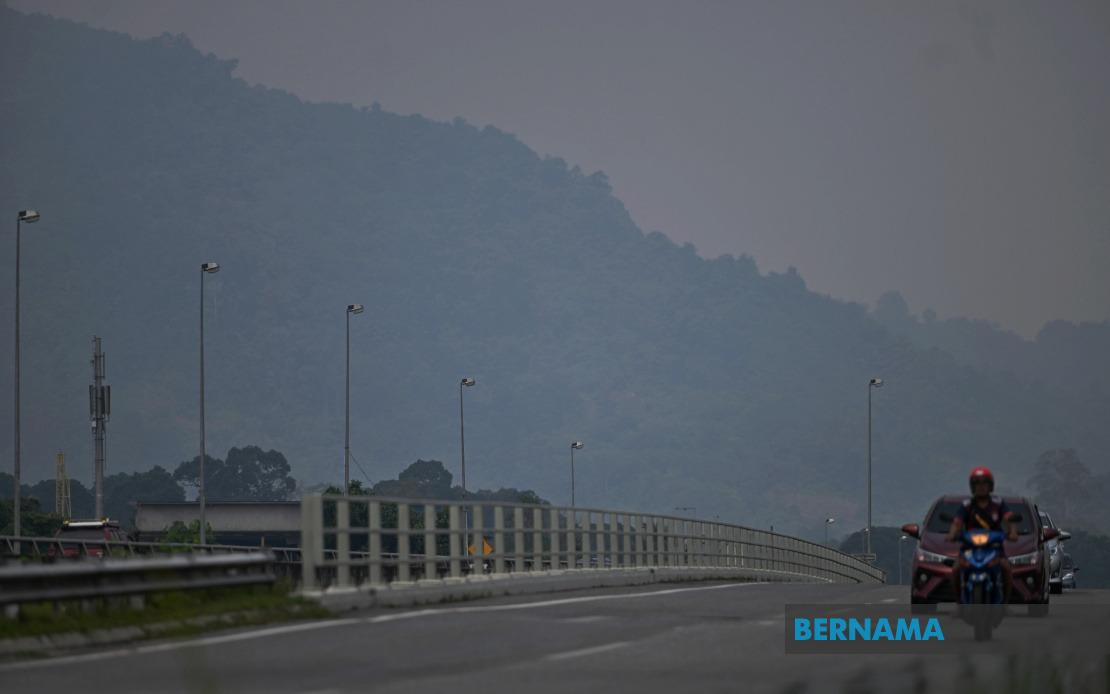
Sarawak is grappling with a significant air quality crisis as hazardous pollution levels spread across multiple districts, with the western coastal town of Serian experiencing the most severe conditions. The Air Pollution Index at Serian reached 227 at 2 pm on August 21, crossing firmly into the very unhealthy category and posing immediate health risks to vulnerable populations. This marks one of the most concerning air quality events in the state in recent months, reflecting the escalating transboundary haze challenge facing Malaysia and the wider Southeast Asian region.
Nine additional monitoring stations across Sarawak reported unhealthy API readings that same afternoon, according to findings shared by the Department of Environment's deputy director-general for development, Azuri Azizah Saedon. Sri Aman recorded the second-highest concentration at 187, while Kuching, the state capital and its largest urban centre, registered 176. The pollution impact extended beyond the major population centres to include Samarahan at 175, Sarikei at 174, Sibu at 157, the twin industrial areas of Bintulu and Samalaju both at 154, and the interior divisions of Kapit and Mukah at 130. This widespread geographic distribution indicates the scale of the haze event rather than isolated local pollution sources.
The deterioration in air quality nationwide reflects broader atmospheric conditions affecting Malaysia's eastern regions. The ASEAN Specialised Meteorological Centre documented 288 active hotspots across Kalimantan as of August 20, alongside 53 in Sumatra and a mere two in Malaysian territory—one each in Sarawak and Terengganu. The stark numerical disparity underscores how Malaysia remains largely downwind of Indonesia's fire activity, receiving the cumulative emissions from hundreds of burning sites concentrated on the other side of the maritime border. This asymmetrical pattern has long characterised the seasonal haze phenomenon affecting the region.
Metorological analysis revealed that moderate to dense smoke plumes originating from West Kalimantan were actively moving northward into western Sarawak during the measurement period. The regional weather picture showed predominantly dry conditions across most of southern ASEAN, creating ideal circumstances for fires to spread and persist. Only northeastern Borneo and northern Sumatra experienced meaningful rainfall, offering those areas some natural suppression of burning activity and smoke accumulation. The contrast between wet and dry zones explains why Sarawak faced such concentrated exposure while other parts of the region remained relatively less affected.
The Malaysian government has responded by activating both its National Open Burning Action Plan and National Haze Action Plan, mechanisms designed to coordinate responses across multiple agencies during transboundary pollution events. The Department of Environment has intensified its field enforcement operations, deploying teams for daily patrols in districts identified as having potential for uncontrolled burning. This proactive stance aims to identify and extinguish domestic fire sources before they contribute further to the atmospheric burden. The coordination framework acknowledges that while transboundary haze dominates during peak seasons, preventing domestic open burning remains within Malaysia's direct control.
The very unhealthy classification at Serian carries significant implications for public health in that locality and surrounding communities. Air quality at this level poses risks not only for sensitive individuals—children, elderly people, and those with respiratory or cardiovascular conditions—but can affect the general population during extended exposure. Schools and outdoor workplaces have typically modified their operations during previous episodes of comparable severity, and residents face guidance to minimise outdoor activities. The economic and social disruption extends beyond health impacts to include reduced visibility affecting transportation and commerce.
For Malaysian policymakers and environmental authorities, the recurring nature of these haze episodes reinforces the challenge of transboundary pollution in a region where national borders do not constrain air masses. Despite enforcement efforts and action plans, Malaysia's air quality remains hostage to Indonesian land-use practices and fire management across Kalimantan and Sumatra. Diplomatic engagement and regional cooperation mechanisms such as ASEAN have achieved limited tangible improvements in fire prevention on the Indonesian side over the past two decades. This structural reality shapes Malaysian expectations about what can realistically be achieved through domestic measures alone.
The Department of Environment urged the public to refrain from any form of open burning and to report suspected burning incidents immediately. Citizens can contact the Fire and Rescue Department of Malaysia via the emergency number 999 or reach the Department of Environment's dedicated haze hotline at 1-800-88-2727. This dual reporting pathway aims to ensure rapid response to fires while also feeding data back to environmental monitors tracking nationwide air quality trends. The emphasis on public participation reflects recognition that community vigilance can catch fires at early stages before they generate the thick smoke plumes that characterise major pollution events.
The timing of this air quality deterioration during what is typically the drier season underscores the vulnerability of Malaysian states bordering Indonesian fire-prone regions. Climate patterns and land-use changes have extended the period during which peat and forest fires can ignite and spread in Kalimantan. Looking ahead to the remainder of 2024 and subsequent years, the increasing frequency and intensity of such episodes may require Malaysian authorities to strengthen both their domestic preparedness measures and their engagement with Indonesian counterparts on fire prevention and land management. For residents in affected areas like Sarawak, protecting air quality and public health will depend partly on international cooperation that has historically proven difficult to sustain.

