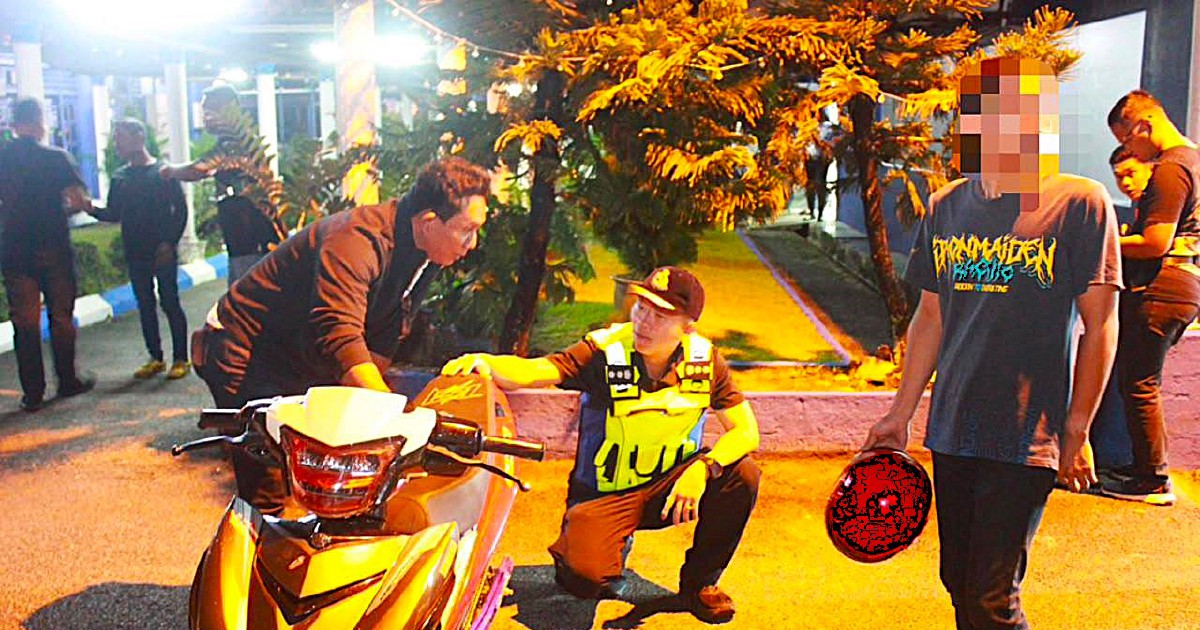
Authorities in Klang have intensified their enforcement efforts against illegal street racing, impounding seven motorcycles during a specialized operation launched in the early hours of the morning. The action comes as police continue to crack down on motorists who engage in dangerous riding practices on public roads, which pose significant risks to both participants and the wider community.
The enforcement drive underscores ongoing concerns among Malaysian law enforcement agencies about the persistence of street racing culture, particularly in urban and suburban areas around the Klang Valley. These spontaneous gatherings of illegal racers have become a recurring headache for traffic police, who struggle to balance enforcement with the challenge of monitoring vast stretches of road during peak activity periods, typically in the small hours of the morning.
During the operation, police opened an investigation against one motorcycle rider specifically for reckless and dangerous driving. The charges under consideration reflect the severity with which authorities now view such offenses, moving beyond simple traffic violations to prosecute participants for conduct that endangers public safety. The investigation will determine the appropriate legal remedies and whether additional charges may apply depending on the rider's behaviour and circumstances.
The seizure of the motorcycles represents a tangible consequence for those caught participating in illegal street racing. Impounded vehicles are typically held pending investigation outcomes, with owners facing the prospect of formal charges, vehicle forfeiture proceedings, or substantial financial penalties for recovery and storage costs. This financial deterrent, combined with the risk of criminal prosecution, underscores the potential consequences of engaging in such activities.
Street racing remains a persistent challenge across Malaysia, with incidents reported regularly in major urban centres including Kuala Lumpur, Petaling Jaya, and surrounding areas. The phenomenon has evolved over the years, with participants employing increasingly sophisticated techniques to evade detection and organized informal networks that communicate across social media platforms to coordinate activities and evade enforcement.
The nature of illegal street racing creates multiple hazards beyond the obvious danger to participants. Bystanders, other motorists, and pedestrians face unpredictable risks from high-speed vehicles manoeuvring erratically on roads designed for controlled traffic flow. Property damage, accidents, and noise pollution constitute additional harms that affect residential communities adjacent to known street racing hotspots, contributing to quality-of-life concerns among residents.
The Klang operation reflects a broader strategic shift among Malaysian police forces toward more proactive and targeted enforcement against street racing. Rather than responding reactively to incidents, authorities have begun deploying specialized task forces during identified high-risk periods and locations. Intelligence-gathering efforts, often facilitated through community reporting and social media monitoring, enable police to position resources strategically and maximize the likelihood of successful interceptions.
For motorcycle enthusiasts in Malaysia, the distinction between legal recreational riding and illegal street racing remains critically important. Licensed racing tracks and organized events provide legitimate outlets for performance driving and competitive riding, with safety infrastructure, medical support, and appropriate licensing requirements. The contrast with informal street racing—conducted without training, safety equipment, or emergency protocols—highlights the dangerous nature of unauthorized public road activities.
The investigation into the rider's conduct will likely consider factors including vehicle modification, riding speed, and behaviour during the enforcement encounter. Documentation of such cases contributes to prosecution records and helps establish patterns that inform future policy approaches and enforcement priorities. Successful prosecutions also serve a deterrent function, signalling to the broader street racing community that participation carries genuine legal consequences.
Looking forward, the effectiveness of crackdowns like the Klang operation depends substantially on sustained and coordinated effort. Sporadic enforcement operations, while important, achieve limited long-term impact unless complemented by community engagement initiatives, education programs targeting young riders, and addressing the underlying motivations that draw participants to street racing. Several state governments have begun exploring holistic approaches that combine enforcement with youth outreach and the promotion of safer alternatives.
The seven motorcycles seized represent just a fraction of vehicles actively involved in street racing nationwide, illustrating the scale of the enforcement challenge. Police acknowledge that comprehensive suppression of the activity requires not only operational successes but also community cooperation and reporting. Many residents living near known racing venues have expressed frustration with persistent disturbances and safety concerns, creating potential allies for enforcement authorities willing to share information about suspicious activities.
As Malaysia continues developing its road safety strategy and enforcement capabilities, operations like the Klang crackdown demonstrate commitment to addressing dangerous driving behaviours. The approach signals that authorities are actively monitoring illegal activities and pursuing offenders through multiple enforcement and legal mechanisms, reinforcing the message that street racing carries real consequences in terms of vehicle seizure, financial penalties, and potential criminal charges.

