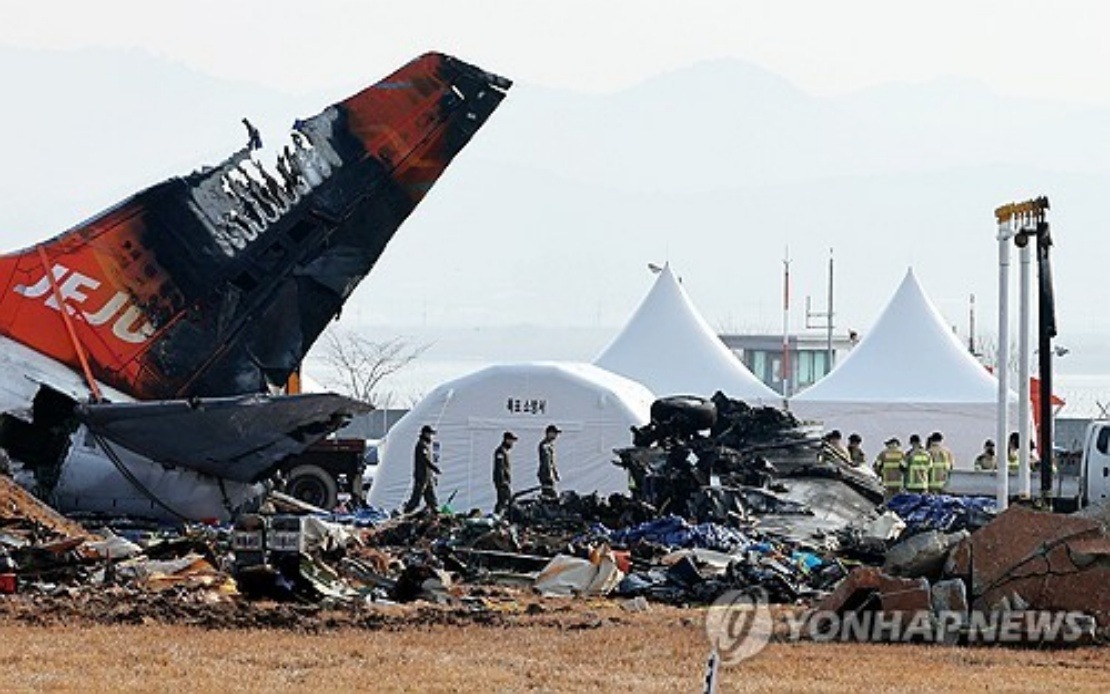
Seven officials from South Korea's transport ministry have been referred to prosecutors on suspicion of covering up serious deficiencies in aircraft navigation equipment that may have contributed to one of the country's deadliest aviation disasters. The referrals, announced by police investigators on Wednesday, centre on allegations that the officials deliberately issued misleading public statements about the safety compliance of a localiser system at the airport where the catastrophic incident occurred.
The Jeju Air flight suffered a devastating crash on December 29, 2024, when the Boeing 737-800 aircraft attempted an emergency belly landing at Muan International Airport, located approximately 290 kilometres south of Seoul. During the landing procedure, the aircraft struck a concrete structure containing the localiser, a critical piece of navigational equipment designed to guide planes safely to the runway. The collision proved fatal for 179 people aboard the aircraft, making it one of South Korea's most tragic aviation incidents in recent memory.
According to findings from a special investigation unit within the South Korean police force, the seven transport ministry officials are suspected of drafting and distributing press statements that falsely represented the localiser as being properly installed and fully compliant with regulatory standards. The investigators determined that these officials possessed knowledge that the equipment did not, in fact, meet all applicable safety requirements at the time of the crash. This deliberate misrepresentation of technical specifications and regulatory compliance constitutes the core of the cover-up allegations.
The placement of the localiser within the concrete mound at Muan International Airport immediately became a subject of intensive scrutiny following the crash. Aviation experts and accident investigators questioned whether the positioning of this navigation aid within an obstruction increased the severity of impact and contributed to the exceptionally high casualty count. The structural arrangement appeared problematic from a safety engineering perspective, as it created a hazard that aircraft experiencing landing difficulties could potentially strike.
The investigation into official conduct represents an important accountability mechanism in the aftermath of the disaster. Rather than limiting examination solely to technical and operational factors, prosecutors are now examining whether state officials actively worked to conceal known safety deficiencies. The distinction matters significantly because it suggests potential criminal negligence or conspiracy beyond simple procedural failures. If the allegations prove substantiated, it would indicate a deliberate attempt to shield the ministry from public criticism and potential liability.
For Malaysian and Southeast Asian aviation stakeholders, this case underscores the critical importance of transparent reporting within civil aviation authorities. The incident highlights how institutional pressure to avoid negative publicity can compromise safety accountability. Regional aviation regulators and airport operators must ensure that equipment certification processes remain insulated from political or administrative pressure to present false compliance records.
The Jeju Air crash itself sparked broader questions about aircraft maintenance standards, emergency procedures, and airport infrastructure safety across East Asia. The involvement of navigation system placement directly in a crash outcome raised concerns about whether similar hazardous configurations exist at other regional airports. The subsequent investigation into official misconduct adds a governance dimension to these technical concerns, suggesting that institutional failures may have compounded the original tragedy.
Under South Korean law, prosecution of public officials for cover-ups related to significant incidents carries serious implications. If convicted, the individuals could face charges including obstruction of justice, making false official statements, and potentially contributing to loss of life through negligent conduct. The referral to prosecutors indicates that police investigators gathered sufficient evidence to warrant formal judicial proceedings and higher-level scrutiny of the conduct.
The timing of these referrals, approximately eight months after the disaster, reflects the complexity of investigating both the technical aspects of the crash and the subsequent institutional responses. Investigators had to establish not only that regulatory violations existed but also that specific individuals knowingly crafted false statements and understood the potential consequences of their actions. This required reviewing internal ministry communications, examining press release drafting processes, and interviewing relevant personnel.
For aviation industry observers across Southeast Asia, the case demonstrates how critical infrastructure failures can trigger investigations into institutional integrity alongside technical safety concerns. Malaysia's own aviation authority and regional counterparts must examine whether similar pressures to present favourable compliance narratives exist within their own structures. The Jeju Air incident, now complicated by allegations of official obstruction, serves as a cautionary example of how institutional accountability failures can delay meaningful safety improvements.
The prosecution referrals also raise questions about corporate and ministerial responsibility in accident response. Families of the 179 victims have sought not only explanations for the disaster itself but also assurances that relevant authorities acted with honesty and transparency. When officials stand accused of misrepresenting safety conditions, it compounds public loss of confidence in governmental institutions and regulatory bodies. The judicial process will ultimately determine whether the cover-up allegations can be substantiated, but the investigation itself has already highlighted governance vulnerabilities within South Korea's aviation safety framework.

