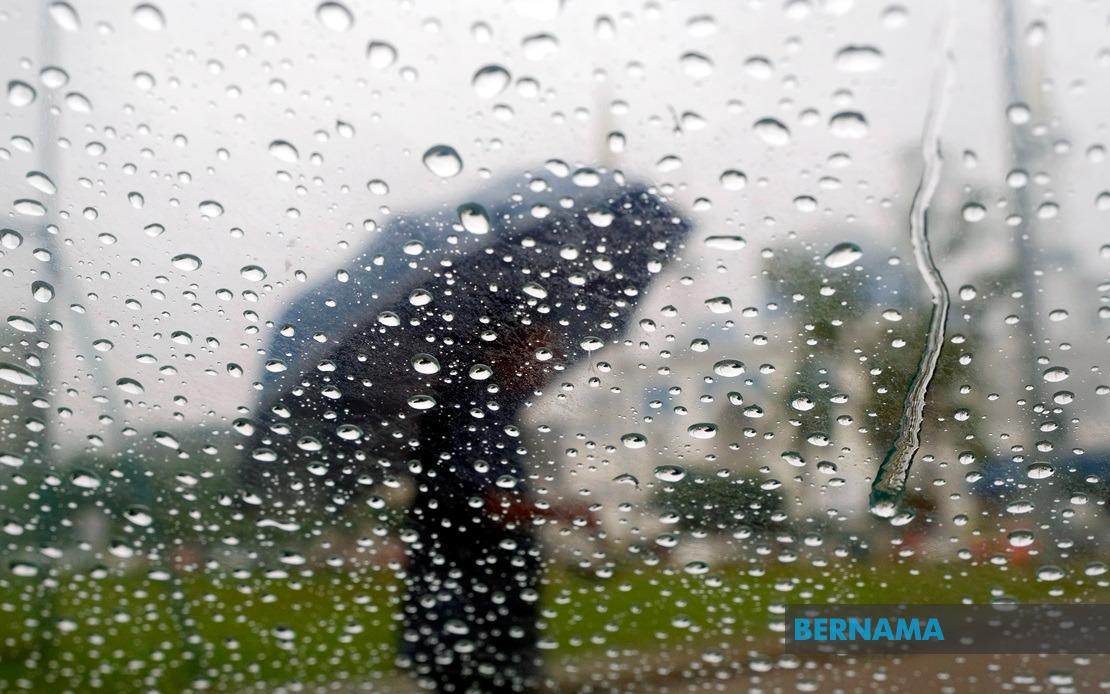
Residents across eastern and northern Malaysia are being advised to prepare for severe weather as the Malaysian Meteorological Department issues an urgent alert for thunderstorms, torrential rain, and gusty winds expected to persist until 7 pm today. The warning encompasses populated districts in Peninsular Malaysia as well as significant population centres in Malaysian Borneo, signalling a broad weather system affecting the region's more densely settled areas.
In Terengganu, the coastal districts of Besut and Setiu face the brunt of the incoming system. These areas, which depend heavily on fishing and tourism, could experience disruption to both maritime activities and transport links. The timing of the warning reflects MetMalaysia's assessment that the instability is concentrated in the afternoon and early evening hours, a pattern typical of monsoon-influenced convective activity in this region.
Pahang's exposure encompasses the districts of Pekan and Rompin, both situated along the east coast. Pekan, historically significant as a royal town, hosts important commercial and administrative functions that may be disrupted by severe weather. Rompin, a more rural district, relies on agricultural activity that could be affected by waterlogging or flash flooding from sudden downpours. The vulnerability of these areas to rapid water accumulation makes the rainfall warning particularly pertinent for residents and local authorities.
Johor, Malaysia's southernmost peninsula state, is seeing alerts issued for three separate zones: Kulai, Kota Tinggi, and Johor Bahru. This trio of districts represents a significant economic corridor, with Johor Bahru serving as the state capital and a major commercial hub close to the Singapore border. Kota Tinggi is historically prone to flooding, and any heavy precipitation in this region demands heightened attention from local disaster management agencies. The breadth of the warning across Johor suggests a weather system of substantial geographical extent.
Sarawak's exposure is similarly extensive, with multiple districts across different regions receiving alerts. Sibu and its surrounding area in Selangau constitute a major urban and commercial centre in central Sarawak. Further north, Mukah, Bintulu, and Miri represent scattered population nodes across the state's coast and interior. Limbang, in the north, and the specific zones mentioned within Miri—Beluru, Telang Usan, and Marudi—indicate that MetMalaysia is identifying particular locations of concern rather than blanket warnings. This geographical specificity reflects meteorological analysis of where convective cells are most likely to develop and intensify.
Sabah's affected regions span from the Interior Division through the West Coast to Sandakan in the east. Beaufort in the interior, alongside West Coast districts including Kota Kinabalu (Sabah's capital), Putatan, Penampang, and Tuaran, represent crucial economic and population zones. Sandakan, a historic port city, has significant maritime and commercial importance. The spread of warnings across Sabah's diverse geography indicates that multiple weather systems or a single expansive low-pressure zone is influencing the state.
Thunderstorms accompanied by heavy rain present multiple hazards to Malaysia's population and infrastructure. Beyond the immediate dangers of lightning strikes and localized flooding, such systems can overwhelm drainage systems designed for normal rainfall intensities. Flash floods in urban areas can trap vehicles and pedestrians, while in rural regions, agricultural land and isolated communities may face isolation if access roads become impassable. Power disruptions frequently accompany severe thunderstorms, affecting hospitals, water treatment facilities, and essential services.
The timing of this alert—issued for afternoon and early evening hours—aligns with the daily heating cycle that typically generates convective instability in tropical regions. However, the extent of the warning across multiple states suggests that background atmospheric conditions are particularly unstable, possibly related to monsoon patterns or approaching frontal systems. Residents should monitor MetMalaysia's updates closely, as the situation may evolve or intensify beyond current projections.
For those in affected areas, the meteorological department's guidance typically includes securing loose outdoor items, avoiding unnecessary travel during peak storm hours, staying away from flood-prone zones, and ensuring emergency supplies are accessible. Motorists should exercise extreme caution, as visibility during heavy rain combined with strong winds creates hazardous driving conditions. Families in flood-prone areas should consider relocating to higher ground if conditions warrant.
The Malaysian public should note that weather warnings from MetMalaysia represent the most current scientific assessment available and are updated regularly as new data becomes available. Rather than treating this as a minor inconvenience, residents are encouraged to treat such alerts as legitimate safety guidance. Local authorities in affected districts should activate emergency response protocols and ensure that disaster management teams are positioned to respond quickly to flooding or other weather-related emergencies that may develop.

