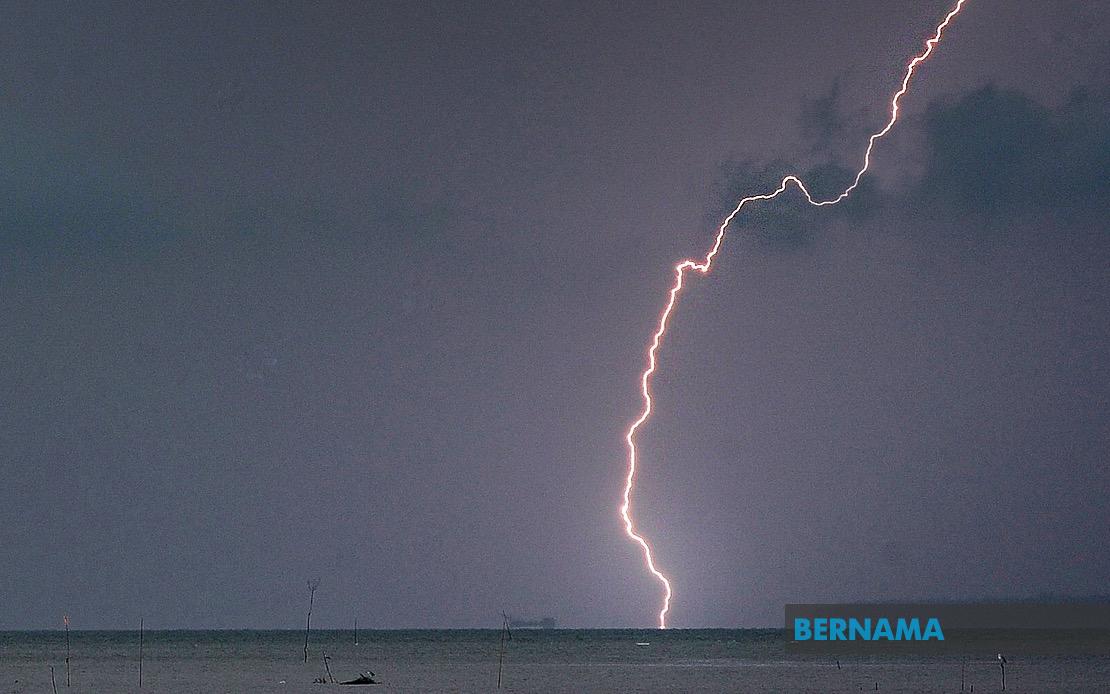
The Malaysian Meteorological Department has issued an urgent weather warning covering extensive regions of the country, alerting residents and authorities to prepare for severe atmospheric conditions expected to persist until 5 pm. The alert encompasses multiple districts across Peninsular Malaysia and parts of East Malaysia, signalling a widespread weather system affecting the nation's population and infrastructure on a significant scale.
In Kedah, residents of the Baling district face the brunt of the incoming weather pattern, whilst the neighbouring state of Perak has drawn particular attention due to the sheer number of affected areas. Nine districts within Perak—including Manjung, Kinta, Perak Tengah, Kampar, Bagan Datuk, Hilir Perak, Batang Padang and Muallim—are all designated as high-risk zones for thunderstorms and torrential downpours. This concentration in Perak reflects the meteorological department's assessment that the weather system is likely to be most intense across the state's diverse topography.
The East Coast states have also been placed under heightened alert status. Terengganu residents across Setiu, Kuala Nerus, Hulu Terengganu, Kuala Terengganu, Marang, Dungun and Kemaman should exercise caution, whilst Pahang's Cameron Highlands, Lipis, Jerantut and Kuantan districts are similarly vulnerable. These regions, encompassing both highland and coastal areas, face different but equally serious risks from the approaching system, with highland areas threatened by flash flooding and coastal districts potentially affected by wind-driven rain and storm surge conditions.
The Klang Valley and surrounding regions in Selangor have not been spared from the meteorological department's warning. Sabak Bernam, Kuala Selangor, Hulu Selangor and Gombak are all listed as affected areas, a development of particular concern given the high population density and critical infrastructure concentrated in the state. The warning suggests that commuters and businesses operating in these districts should prepare for potential disruptions to transport networks and daily activities.
Johor, Malaysia's southernmost peninsular state, faces threats across six districts spanning different geographical zones. Kluang, Mersing, Pontian, Kulai, Kota Tinggi and Johor Bahru—ranging from interior regions to coastal and urban areas—all fall within the warning zone. This geographic spread indicates that the weather system possesses sufficient scale and intensity to affect diverse landscapes, from port cities to rural districts dependent on agricultural activities sensitive to rainfall patterns.
East Malaysia has not been overlooked in the meteorological assessment. Sabah's Interior division, encompassing Kuala Penyu, Beaufort and Tambunan, alongside the West Coast division, Sandakan's Beluran district, and Kudat, all require heightened vigilance. The inclusion of Sabah indicates that the weather disturbance extends beyond Peninsular Malaysia, suggesting a significant regional weather system rather than a localised phenomenon.
The Malaysian Meteorological Department's decision to issue such a comprehensive warning reflects the serious nature of the weather conditions anticipated. Thunderstorms combined with heavy rainfall and strong winds present multiple hazards simultaneously—lightning poses direct dangers to individuals caught outdoors, whilst heavy rain can trigger flash flooding in low-lying areas and drainage systems unprepared for sudden water volume surges. Strong winds threaten unsecured structures, construction sites, and can disrupt utility services.
For residents across the affected regions, the warning necessitates immediate precautions. Outdoor activities should be curtailed or relocated indoors where possible, whilst those in areas prone to flooding should consider evacuation plans. Motorists navigating affected districts should exercise heightened caution, as reduced visibility and slippery road surfaces present serious accident risks. Authorities responsible for infrastructure management should prepare response teams for potential emergencies, including flood rescue operations and utility restoration efforts.
The temporal specificity of the warning—lasting until 5 pm—provides a defined timeframe for residents and authorities to implement protective measures and prepare for the system's passage. However, the afternoon and early evening timing places the most intense conditions during a period when many commuters are returning home from work and children are transitioning from schools, potentially complicating emergency response efforts if severe conditions materialise. Weather systems of this nature can occasionally extend beyond initial forecasts, necessitating continued monitoring of meteorological updates throughout the afternoon.
For the broader Malaysian context, such widespread weather alerts underscore the importance of meteorological forecasting infrastructure and public dissemination systems. The ability to identify and communicate weather threats across diverse geographical regions allows emergency management agencies to coordinate resources and authorities to alert residents well in advance. The affected states and federal territories should utilise this warning window to activate contingency plans, position emergency personnel appropriately, and ensure communication channels remain open for real-time updates as conditions develop.

