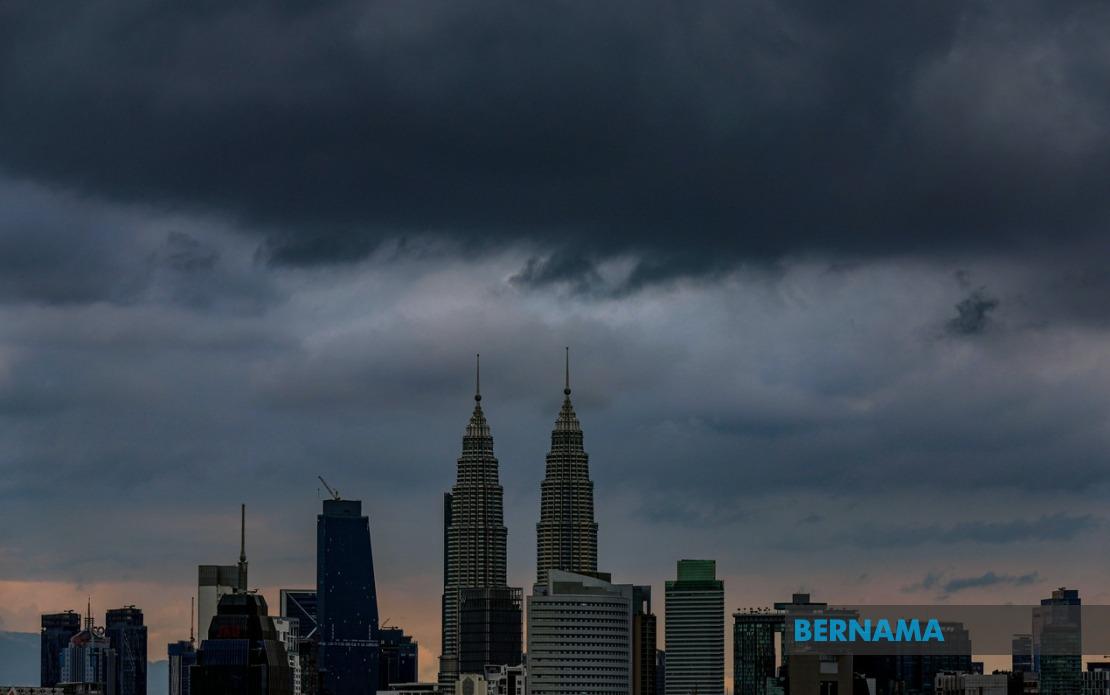
The Malaysian Meteorological Department has activated an urgent weather warning covering a substantial portion of the country, alerting residents and authorities to prepare for dangerous atmospheric conditions including thunderstorms, torrential downpours and destructive wind gusts. The alert, issued on June 28, encompasses Kuala Lumpur and Putrajaya along with ten additional states, with forecasters projecting that these severe conditions will remain in effect until 7 pm.
In the northern corridor, the impact zone stretches across Perlis, Penang and substantial sections of Kedah, specifically targeting towns including Langkawi, Kubang Pasu, Padang Terap, Kuala Muda and Kulim. Perak's interior and coastal districts also face significant exposure, with warnings specifically naming Hulu Perak, Kuala Kangsar, Manjung, Kinta, Perak Tengah, Kampar and Bagan Datuk as particularly vulnerable zones. These areas typically experience intense monsoon influences during this season, making them especially susceptible to rapid weather deterioration and flash flooding events.
The east coast bears particular concern under this latest advisory. In Kelantan, the alert focuses on Gua Musang, a mountainous region where steep terrain can amplify rainfall intensity and trigger landslide risks. Terengganu's affected areas extend across Besut, Setiu, Kuala Nerus, Hulu Terengganu and Dungun, covering both coastal settlements and inland communities that depend heavily on agricultural and maritime activities. Pahang, which straddles the peninsula's mountainous spine, faces alerts in Cameron Highlands, Raub, Bentong and Rompin—districts where elevated terrain often generates powerful convective weather systems.
The federal capital and its periphery remain in the warning zone, with Selangor's alarm extending across multiple administrative divisions. Hulu Selangor, Gombak, Petaling, Kuala Langat, Hulu Langat and Sepang all fall within the threat area, creating particular concern for Malaysia's most densely populated region. The Klang Valley's infrastructure, including major highways, airport operations and the extensive urban drainage network, will require heightened monitoring throughout the afternoon.
Borneo's vast territories also feature prominently in the meteorological alert. Sarawak's warning encompasses numerous divisions spanning from the developed urban centres of Kuching and Bau through to remote interior regions including Kapit, Sibu and Miri. This geographic breadth underscores the scale of the atmospheric disturbance, affecting both major population hubs and sparsely settled areas simultaneously. Sarikei, Selangau, Mukah, Song, Tatau, Subis and other districts face potential disruption to transportation links and communication infrastructure.
Sabah's exposure includes strategically important interior zones and populated coastal regions. The Interior Division communities of Keningau and Tambunan, the West Coast's Ranau, and the Sandakan Division's sprawling territory encompassing Telupid, Kinabatangan, Beluran and Sandakan itself all require heightened vigilance. These regions' topography—combining mountains with river systems and coastal lowlands—creates multiple pathways for water accumulation and potential infrastructure damage.
The convergence of thunderstorm activity, heavy rainfall and strong winds during this period poses compounded risks requiring multi-sectoral response. Beyond immediate public safety concerns, such weather systems can disrupt supply chains, damage agricultural crops in critical growing seasons, compromise hydroelectric generation and create isolated communities when road and river transportation becomes impassable. Residents and businesses across the affected zones should implement precautionary measures including securing loose outdoor items, monitoring local drainage systems and staying alert to official updates.
MetMalaysia's decision to issue this comprehensive alert reflects meteorological confidence in the developing weather pattern's severity and extent. The specific time demarcation—extending through to 7 pm—suggests forecasters anticipate the system's gradual weakening during evening hours, though residual effects may persist into the night. Commuters planning afternoon and early evening journeys should exercise caution, particularly on elevated highways where wind gusts pose vehicle control challenges.
The breadth of this warning, stretching from Perlis through Sabah and Sarawak, indicates a significant atmospheric disturbance affecting multiple monsoon regimes simultaneously. Such widespread events occur periodically but warrant serious preparation from both individuals and emergency response agencies. Communities in the affected areas are advised to remain vigilant, secure critical infrastructure and maintain readiness to assist vulnerable residents should conditions deteriorate unexpectedly.

