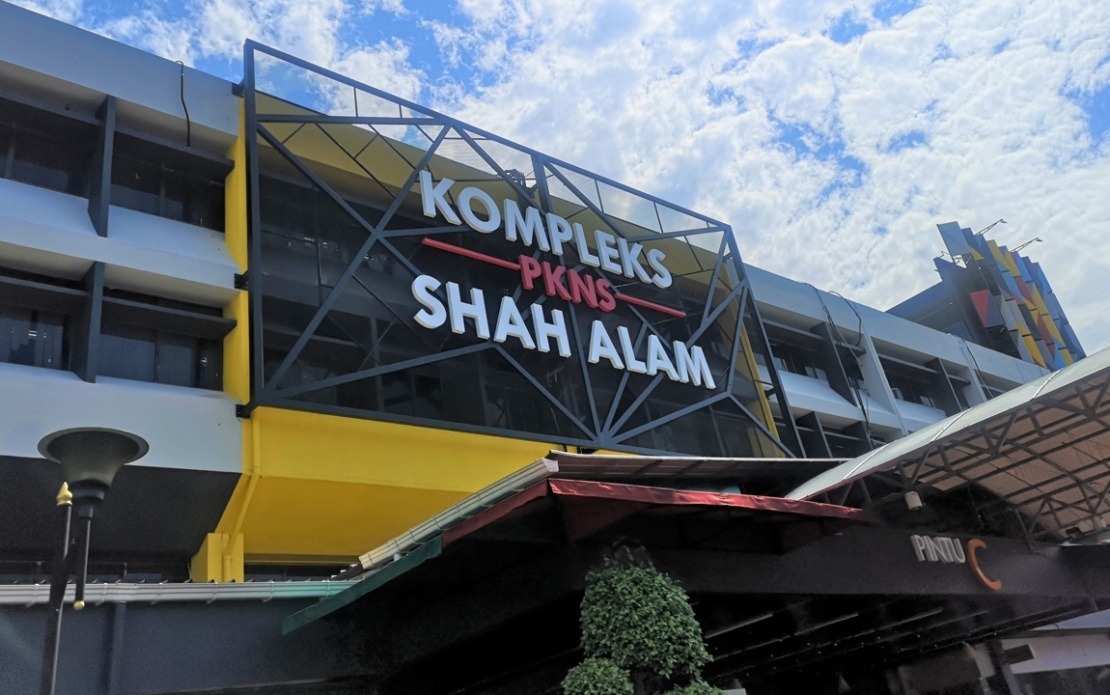
The Shah Alam PKNS Complex has resumed full operations following a fire incident that prompted a temporary closure and comprehensive safety review. The Selangor State Development Corporation (PKNS) announced the reopening on July 3 after confirming that all requisite safety procedures and inspections had been successfully completed. The complex, a significant commercial and administrative hub in Selangor's capital city, had been shut down the previous afternoon when the fire broke out, triggering emergency protocols and the evacuation of Phase 1 of the building.
According to PKNS management, the fire originated in the Air Cooled Package Unit (ACPU) panel situated within the Air Handling Unit (AHU) room on the building's first floor. This preliminary assessment came from an inspection conducted by the complex's facility management team in the hours immediately following the incident. The identification of the fire's origin point was crucial for determining whether systemic mechanical or electrical failures had contributed to the blaze, information essential for preventing recurrence and reassuring tenants and visitors about the facility's operational integrity.
The rapid response by PKNS management demonstrated the effectiveness of the complex's emergency preparedness framework. Upon discovering the fire, facility operators immediately isolated power to the affected electrical and air-conditioning systems as a safety measure to prevent further escalation. Simultaneously, management activated the building's emergency evacuation procedures, using the public address system to direct occupants from Phase 1 to safety. This coordinated approach minimised panic while ensuring orderly movement away from the danger zone.
The Selangor Fire and Rescue Department's swift intervention proved critical in containing the blaze before it could spread to adjacent sections of the building. Their rapid mobilisation and effective firefighting techniques prevented what could have been a far more serious incident affecting multiple floors and larger numbers of occupants. Selangor JBPM Assistant Director of Operations Ashrul Riezal Asbar confirmed that the fire had been successfully brought under control within a short timeframe, with no casualties reported. This outcome reflected both the competence of emergency responders and the absence of injuries representing a significant positive development for all parties involved.
The incident raises important questions about preventive maintenance and inspection protocols for critical building infrastructure across Malaysian commercial complexes. Air handling and cooling systems, while essential for maintaining comfortable working environments, represent potential fire hazards if not properly maintained and monitored. The fire's origination in an ACPU panel suggests the need for heightened vigilance around electrical components within mechanical systems, particularly in older installations or facilities experiencing heavy usage demands. Building managers across Selangor and beyond will likely review their own maintenance schedules in response to this incident.
PKNS's decision to maintain the temporary closure until all safety requirements were satisfied demonstrates a prioritisation of occupant welfare over commercial convenience. The complex's reopening was contingent upon facility management, security personnel, and relevant authorities being satisfied that no residual hazards remained and that systems had been either repaired or rendered safe for continued operation. This methodical approach, while potentially causing inconvenience to tenants and visitors, establishes confidence in the facility's operational standards and the management's commitment to safety.
The Fire Department's ongoing investigation into the precise cause of the fire will provide valuable insights for PKNS and building operators generally. Whether the incident resulted from equipment malfunction, electrical failure, inadequate maintenance, or some combination of factors will inform recommendations for system upgrades or procedural changes. The findings are likely to be communicated to other building managers and may influence industry standards for mechanical system inspection and certification across commercial properties in the state.
For businesses and government departments operating from the Shah Alam PKNS Complex, the incident and subsequent closure represented operational disruptions that will require contingency planning to address. Tenants dependent on uninterrupted access to the facility will have experienced service interruptions during the evacuation and closure period. The efficiency with which the complex returned to operation likely minimised overall economic impact, but the incident serves as a reminder of the importance of business continuity planning among organisations occupying shared commercial spaces.
The reopening of the complex also reflects confidence in PKNS's management capacity to handle emergency situations and restore operations safely. As a state development corporation overseeing significant real estate and commercial operations, PKNS's handling of this incident will influence perceptions of institutional competence among current and prospective tenants. The transparency of communication, speed of response, and systematic approach to reopening all contribute to maintaining stakeholder trust in the organisation's ability to manage its facilities responsibly.
Looking forward, this incident will likely prompt facilities management discussions across Selangor's commercial property sector regarding fire prevention, detection, and suppression systems. Building owners and operators may accelerate upgrades to aging mechanical systems, implement more frequent inspections, or invest in advanced monitoring technologies to detect anomalies before they escalate into emergencies. The incident serves as a timely reminder that even modern commercial facilities require constant vigilance and investment in safety infrastructure to protect occupants and assets.
The absence of casualties from this incident represents a fortunate outcome that underscores the importance of established emergency procedures and rapid response capabilities. However, the fire's occurrence also highlights that prevention remains superior to response. PKNS and other building managers must view this incident not as a resolved matter, but as an impetus for strengthening the preventive and monitoring systems that protect Malaysia's commercial infrastructure and the people who work within it.

