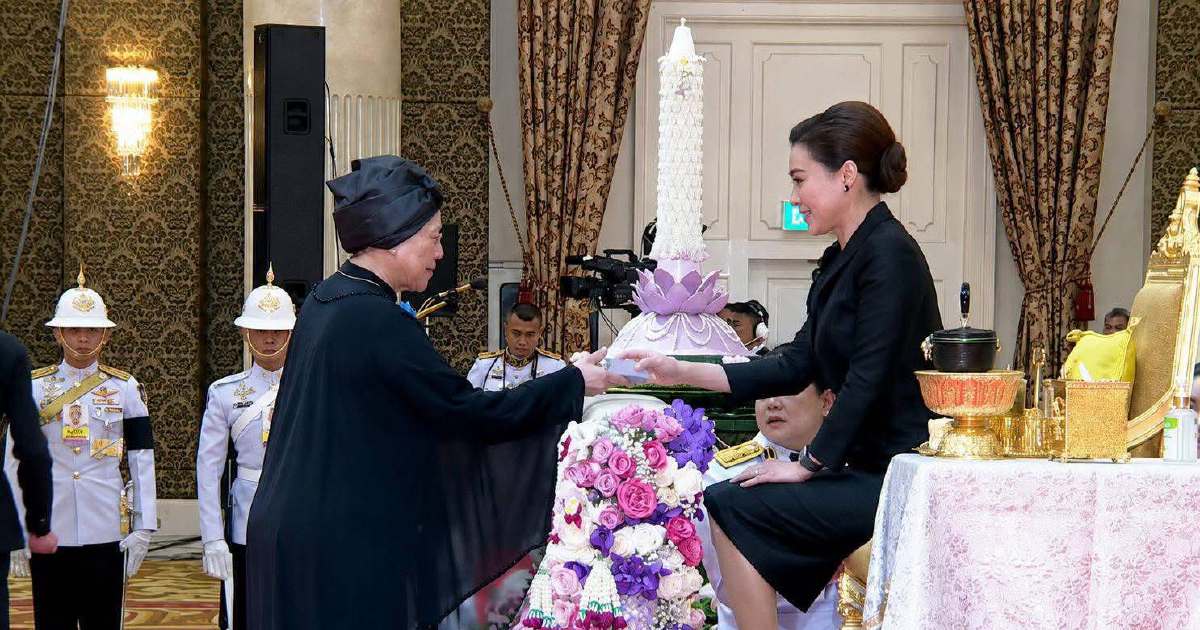
Prime Minister Datuk Seri Anwar Ibrahim, alongside his wife Datuk Seri Dr Wan Azizah Wan Ismail, has paid tribute to Prof Emerita Tan Sri Datuk Seri Dr Sharifah Hapsah Syed Hasan Shahabudin following her receipt of the Outstanding Woman Award for Social Development. The recognition underscores the Malaysian leadership's commitment to honouring women whose professional endeavours have shaped the nation's social fabric.
The award presented to Sharifah Hapsah represents more than ceremonial acknowledgement; it affirms the strategic importance of female participation in Malaysia's development agenda. Throughout the region, such awards often serve as catalysts for broader policy shifts and increased visibility of women's contributions in areas traditionally dominated by male leadership structures. This particular honour carries significant weight given the awardee's stature as a professor emerita, denoting decades of sustained impact within Malaysian institutions.
Sharifah Hapsah's career trajectory exemplifies the pathways available to accomplished Malaysian women who venture into social development work. Her designation as professor emerita indicates sustained academic authority and influence that extends beyond conventional retirement boundaries. Such recognition validates her methodologies and approaches, lending credibility to future initiatives she may champion or mentor within her field. The visibility afforded by this award ripples through networks of professionals, students, and policymakers who draw inspiration from her example.
The Prime Minister's personal engagement in celebrating this achievement carries diplomatic and cultural significance. By having both he and the First Lady present congratulations, the government signals that women's advancement in social sectors remains a priority narrative within the administration's broader agenda. This dual endorsement demonstrates alignment between executive leadership and first-family values regarding gender equity in professional recognition.
For Malaysian women pursuing careers in social development, academia, and allied sectors, such awards establish tangible benchmarks of success and institutional recognition. They demonstrate that pathways to distinction exist within Malaysia's professional ecosystem, particularly for those willing to invest sustained effort in addressing social challenges. The narrative created by honouring figures like Sharifah Hapsah encourages pipeline development—younger professionals observe that excellence in these fields yields meaningful recognition from the highest governance levels.
The timing of this award within Malaysia's broader development context matters considerably. As Southeast Asia navigates post-pandemic economic recovery, demographic shifts, and evolving social needs, the contributions of experienced professionals in understanding and addressing these transitions become increasingly valuable. Sharifah Hapsah's work, presumably across multiple decades, provides institutional memory and tested frameworks that newer initiatives can either build upon or learn from through alternative approaches.
Regionally, such recognitions contribute to Malaysia's positioning as a nation that values and invests in women's professional development. Within ASEAN's competitive landscape for talent and innovation, countries demonstrating genuine commitment to gender equity in professional advancement often attract greater international collaboration and investment. Awards that surface accomplished women leaders communicate confidence in the nation's human capital development strategies.
The social development sector specifically benefits from female leadership and participation because these fields often address issues—childcare, health, education, family services—where gender-responsive approaches yield measurably better outcomes. Sharifah Hapsah's recognition implicitly endorses the evidence that women leading development initiatives frequently achieve higher engagement with target communities and more sustainable behavioural change outcomes.
Beyond the individual honour, this award reflects broader institutional shifts within Malaysian governance towards acknowledging women's contributions in technical and strategic fields. Social development work requires deep expertise in economics, sociology, psychology, and policy implementation—areas where Malaysian women have built considerable specialised knowledge. Recognition of this expertise helps counteract persistent underrepresentation in senior advisory and decision-making positions across government and civil society organisations.
Looking forward, Sharifah Hapsah's award may catalyse increased mentorship and knowledge-transfer initiatives. Professors emerita often possess unique positioning to guide successor generations while remaining engaged with contemporary challenges. Her recognition might prompt institutions and government agencies to more deliberately harness the expertise of experienced women professionals in advisory capacities, creating formal structures for their continued contribution beyond retirement.
For Malaysian women currently mid-career in social development fields, witnessing their predecessors honoured by government leadership provides psychological and professional validation. It affirms that persistent effort toward meaningful social impact will eventually attract recognition from institutional power structures. This matters particularly in sectors where impact remains difficult to quantify but where cumulative effects reshape communities and lives across generations.

