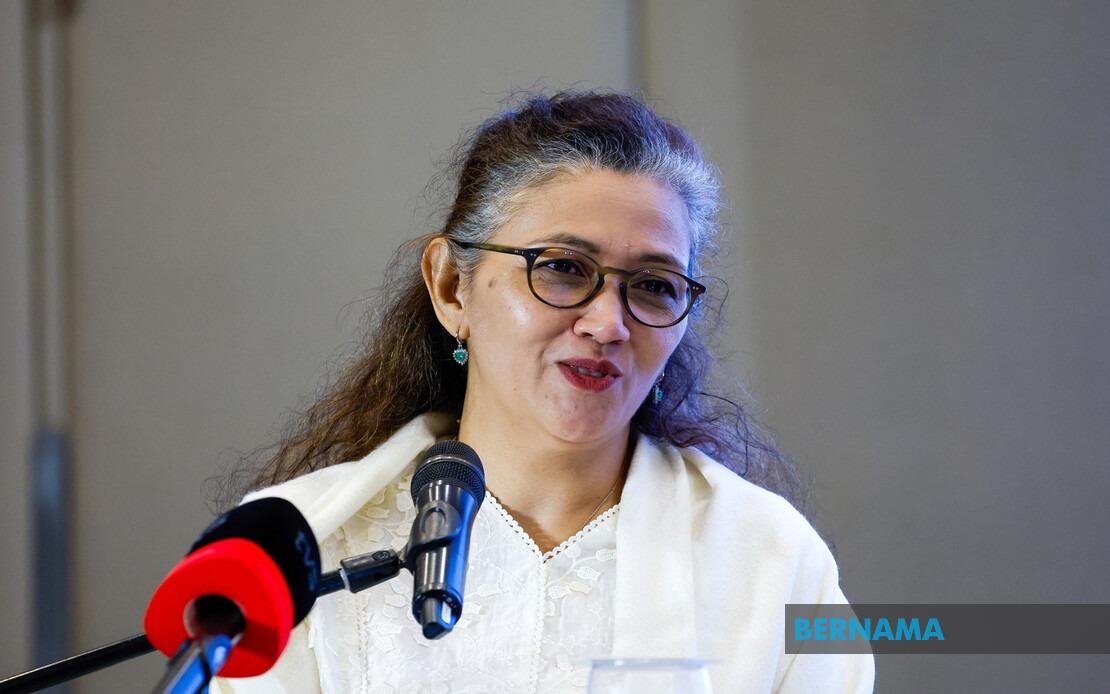
Sibu Hospital's Neurosurgery Department has evolved into a pivotal healthcare institution serving the medical needs of over one million residents across central Sarawak, from Bintulu through to Betong Division. The transformation represents a significant shift in how advanced specialist services reach Malaysia's interior regions, where geographical distances and infrastructure constraints have historically necessitated expensive transfers to major urban centres. Deputy Health Minister Datuk Hanifah Hajar Taib highlighted this achievement at the Transforming Brain Injury Conference 6.0, underscoring how the department has leveraged determination and innovation to decentralise neurological care and bring sophisticated medical expertise directly to communities that previously faced substantial barriers in accessing such services.
The department's network extends well beyond Sibu's hospital walls through a strategic system of visiting specialist clinics established in satellite locations across the region. Clinical services operate in Mukah, Bintulu, Sarikei and Kapit, effectively creating a distributed model of specialist delivery that addresses multiple constraints facing rural patients. By bringing neurosurgeons directly to these communities on a rotating basis, the department has fundamentally altered the patient experience, reducing the financial strain associated with long-distance travel, minimising the logistical burden of relocating families during treatment, and allowing patients to remain closer to their support networks during critical recovery periods. This approach has also demonstrated measurable improvements in treatment compliance, as patients find it considerably easier to attend follow-up appointments and ongoing monitoring when these services operate within their local areas.
The financial implications of this decentralised model have proven substantial. Since 2013, the neurosurgery department has prevented the need for expensive medical evacuation transfers by managing cases directly in Sibu, resulting in documented savings exceeding RM50 million. Medical evacuations from central Sarawak to Kuching represent a significant cost burden, involving air or rapid transportation, accommodation for accompanying family members, and the associated costs of coordinating transfer logistics. By developing local neurosurgical capabilities, the department has eliminated these expenditures for a vast proportion of cases that can be safely managed within central Sarawak's facilities, effectively reinvesting those resources into strengthening local healthcare infrastructure and expanding specialist capacity.
Leadership has proven instrumental in achieving this transformation. Dr Nelson Yap Kok Bing has guided the department's development with a vision extending beyond conventional hospital-based care, fostering a regional mindset that prioritises accessibility and patient-centred innovation. Deputy Minister Hanifah Hajar specifically commended this leadership approach, characterising the department's achievements as demonstrating what becomes possible through committed vision and strong institutional direction. The recognition from Malaysia's health leadership indicates that Sibu's neurosurgery model has captured attention at the national policy level as a replicable framework for extending specialist services across other regions facing similar geographic and infrastructure challenges.
The implications of this success extend across Sarawak's healthcare landscape and potentially influence approaches to specialist service distribution throughout Malaysia. Rural and remote areas have traditionally experienced significant disparities in access to complex medical care, with specialist services concentrated in major urban centres. The Sibu model suggests that carefully planned investment in human capital, combined with strategic use of visiting clinics and technology-enabled consultations, can materially narrow these disparities without requiring every regional centre to independently develop comprehensive specialist facilities. This approach recognises the economic and practical impossibility of replicating full neurosurgery services in every locality whilst simultaneously ensuring that specialist expertise reaches populations that would otherwise require lengthy, costly transfers.
The Health Ministry has committed to expanding this collaborative approach across multiple domains. Minister Hanifah Hajar indicated that ongoing partnership with the Sarawak state government, healthcare facilities, academic institutions and professional medical bodies would form the foundation for strengthening specialist services more broadly and enhancing healthcare infrastructure throughout the region. This multi-stakeholder collaboration acknowledges that sustainable healthcare transformation requires coordination across institutional boundaries and levels of government. Universities can contribute through training and research, professional bodies can establish quality standards and best practices, whilst state and federal authorities can align policy and resource allocation toward common objectives.
Human resource development emerges as central to the ministry's long-term strategy for sustaining specialist healthcare excellence. Beyond physical infrastructure and medical equipment, Deputy Minister Hanifah Hajar emphasised the necessity of continuous investment in medical and nursing professionals, allied health practitioners, researchers and emerging healthcare leaders. This perspective reflects recognition that buildings and machines represent only one component of healthcare capability; the expertise and commitment of trained personnel ultimately determines service quality and innovation capacity. The neurosurgery department's success fundamentally rests upon retaining skilled neurosurgeons willing to work in regional settings and developing local talent capable of supporting and eventually leading specialist services.
The Sibu Hospital neurosurgery department's trajectory offers instructive lessons for other Malaysian regions grappling with specialist service gaps. Brain injury management requires sophisticated diagnostic equipment, operating theatre facilities and post-operative intensive care capabilities, yet these investments have proven justified by the patient volume and financial savings generated. The model demonstrates that even highly technical specialties can be effectively distributed beyond major metropolitan areas when properly resourced and strategically managed. The five-division coverage area spanning from Bintulu to Betong represents substantial geographic scope, yet the concentrated patient volume generated across this population base creates sufficient caseload to maintain specialist expertise and justify capital investment in facilities and technology.
Looking forward, the department's continued development will likely face challenges common to rural healthcare expansion, including staff recruitment and retention, capacity constraints during surge demand, and ensuring that quality standards remain consistent with international best practices. However, the foundation established through thirteen years of service and demonstrated cost savings positions Sibu as an institutional anchor for specialist care across central Sarawak. The recognition from national health leadership suggests that policymakers increasingly view such regional specialist hubs not as peripheral to Malaysia's healthcare system but as essential components of a genuinely nationwide network capable of serving diverse populations across varied geography and development contexts.

