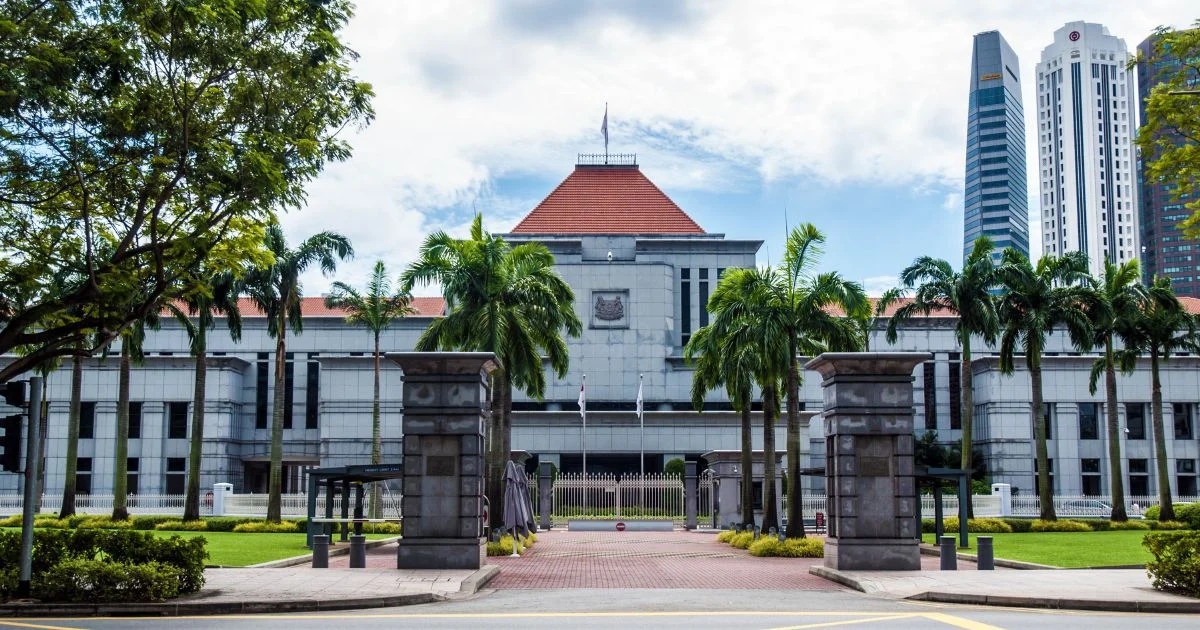
Singapore's police force has taken into custody a 40-year-old man suspected of orchestrating anonymous bomb threats directed at two significant government facilities, Parliament House and the Home Team Science and Technology Agency (HTX). The arrest represents law enforcement's response to what authorities regard as a serious security concern targeting institutions central to Singapore's governance and national security apparatus.
The arrest underscores the region's heightened vigilance regarding security threats, particularly those involving critical government infrastructure. In Singapore's closely monitored environment, threats of this nature trigger immediate investigative action and operational responses designed to safeguard public and institutional safety. The decision to make the arrest public signals both the seriousness with which authorities treat such incidents and their commitment to deterring similar threats going forward.
Bomb threats against government facilities represent a particular concern across Southeast Asia, where security agencies maintain comprehensive protocols for responding to potential attacks. Such threats require authorities to divert significant resources toward verification, evacuation procedures, and investigative work, all of which disrupt normal operations and impose costs on affected institutions. The targeting of Parliament House in particular carries symbolic weight, as it represents the heart of democratic governance, making any threats against it matters of considerable national concern.
The HTX, responsible for developing technological solutions for Singapore's home security and law enforcement agencies, serves critical functions in the broader national security ecosystem. Its role in supporting first responders and security operations makes it an unusual target for threats, potentially suggesting the suspect harboured grievances against government institutions or possessed specific motivations warrant police investigation. Understanding the motivation behind such threats helps law enforcement identify patterns and prevent future incidents.
Anonymous bomb threats present particular investigative challenges, as the absence of direct communication from perpetrators requires authorities to work backward using electronic forensics, communications metadata, and other investigative techniques to identify suspects. Modern policing increasingly relies on digital forensics to trace anonymous communications back to their sources, examining everything from internet protocol addresses to communication patterns and linguistic markers. This technological capability has become essential in apprehending individuals responsible for anonymous threats.
The investigation leading to this arrest demonstrates Singapore's sophisticated law enforcement capabilities and the resources committed to pursuing suspects involved in threats against government facilities. The speed with which authorities identified and apprehended the suspect suggests well-developed investigative protocols and databases that enable rapid progress from initial report to arrest. Such efficiency serves as both a practical security measure and a potential deterrent to others contemplating similar actions.
From a broader Southeast Asian perspective, incidents of this nature occurring in Singapore carry implications for regional security discourse. Singapore's role as a financial hub and strategic location means that security incidents there receive heightened attention, potentially influencing how other regional governments calibrate their own threat assessments and security preparations. Authorities across the region monitor developments in neighbouring jurisdictions to identify emerging patterns or techniques that might indicate evolving security challenges.
The prosecution of bomb threat offences in Singapore proceeds under laws designed to address the serious disruption and psychological impact such threats create, regardless of whether they represent credible danger. Many jurisdictions, including Singapore, treat bomb threats as serious criminal matters precisely because they impose real costs through emergency responses, evacuations, and psychological distress, independent of whether explosives were ever present or intended. This legal approach reflects recognition that the threats themselves constitute harmful conduct.
For Malaysia and other neighbouring countries, this incident serves as a reminder of the continued necessity for robust security protocols around government facilities and critical infrastructure. The incident also highlights how investigation of anonymous threats requires ongoing investment in technological capabilities and forensic expertise. Regional cooperation mechanisms that allow intelligence sharing and coordinated responses to security threats remain valuable as governments work to maintain public safety and institutional security amid evolving threat landscapes.

