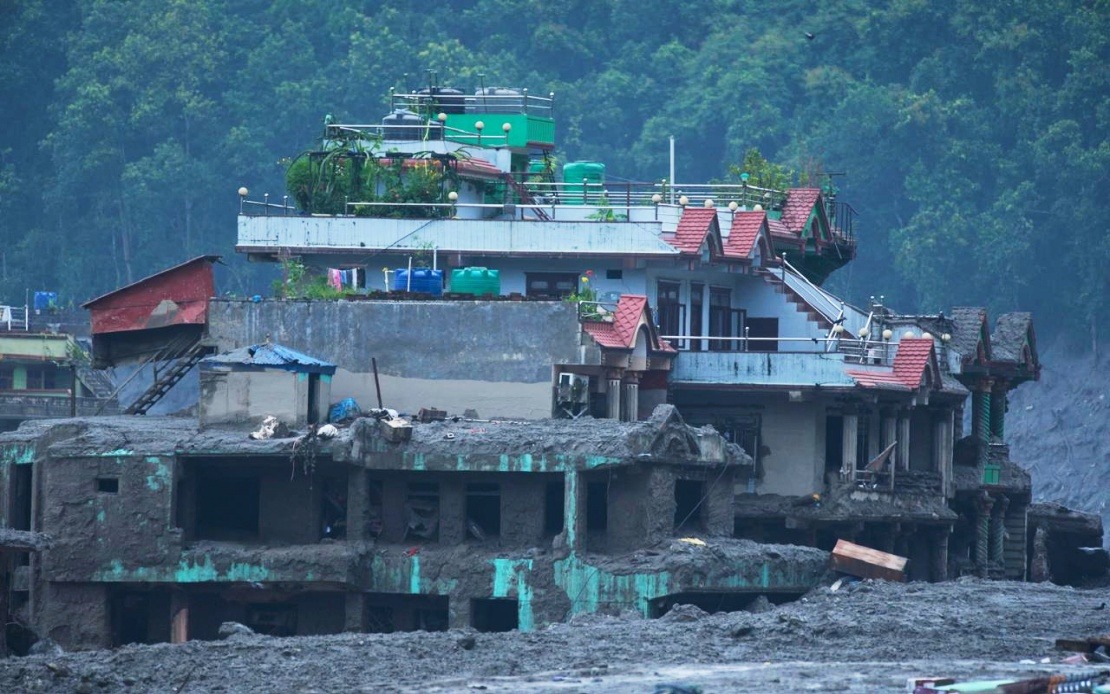
Singapore has mobilised its diplomatic machinery to assist its nationals caught in the devastating flash floods that have swept through mountainous terrain along the Nepal-China border, with Prime Minister Lawrence Wong pledging swift government action on Thursday. The crisis has left at least 47 trekkers unaccounted for, including two believed to be Singaporean citizens who were part of a mixed-nationality hiking expedition that ventured into one of the world's most geographically challenging regions. The Ministry of Foreign Affairs has established active coordination with authorities in both Nepal and China to locate the missing persons and provide emergency consular assistance to affected Singaporeans and their families.
Prime Minister Wong's public statement, issued via Facebook, underscored Singapore's commitment to supporting its citizens during the emergency while simultaneously acknowledging the wider humanitarian toll. Beyond the immediate search and recovery operations, he extended Singapore's sympathies to the governments and populations of Nepal and China, recognising that the disaster has affected communities far beyond Singaporean nationals. The Prime Minister specifically commended the tireless efforts of rescue personnel and emergency services battling treacherous terrain and volatile weather conditions to locate survivors and recover the deceased. Such diplomatic gestures reflect Singapore's approach to regional cooperation during transnational crises, where bilateral relations are reinforced through shared humanitarian response.
The missing trekkers were part of a mountaineering expedition organised by Himalayan Glacier Adventures, a guide company specialising in high-altitude expeditions in the Nepalese Himalayas. The group's international composition—including nationals from Australia, Nepal, the United Kingdom, the United States, and Russia—underscores how the Nepali trekking industry attracts adventurers from across the globe seeking to experience some of the world's most spectacular yet dangerous mountain terrain. The sudden onset of flash floods, a recurring seasonal hazard in the monsoon-affected Himalayan region, has transformed what would have been a planned mountaineering experience into a tragic emergency, raising fresh questions about weather forecasting capabilities and safety protocols on popular trekking routes.
The Ministry of Foreign Affairs has already issued a comprehensive travel advisory cautioning all Singaporeans present in Nepal to exercise heightened vigilance and avoid areas most severely impacted by the flooding. Specific districts identified as high-risk zones include Rasuwa, Nuwakot, Dhading, Gorkha, and Chitwan, where infrastructure damage and ongoing flood hazards remain acute threats to life and property. The advisory explicitly warns nationals against approaching rivers, riverbanks, bridges, and low-lying terrain where secondary flooding and flash surge risks persist. For Malaysian readers, this situation highlights the real dangers that adventure tourism poses in mountainous regions during the monsoon season, when sudden weather changes can transform scenic hiking trails into life-threatening environments within hours.
Beyond the immediate safety concerns, the floods have triggered cascading disruptions across northern Nepal's infrastructure and essential services. Roads remain damaged or impassable, transport networks have been severely compromised, and telecommunications systems in remote areas have suffered damage, hampering both emergency response coordination and communication with stranded persons. The advisory emphasises that Singaporeans should verify road conditions and weather forecasts before attempting travel, effectively discouraging non-essential journeys through affected regions. This fragility of infrastructure in remote Himalayan areas underscores a broader challenge facing countries across the region—balancing tourism development with the capacity to respond effectively when natural disasters strike.
The response from Singapore's Ministry of Foreign Affairs represents a standard diplomatic protocol for managing consular emergencies abroad, yet the complexity of this particular situation is compounded by the remote location, the involvement of multiple nationalities, and the ongoing natural hazard environment. Coordination with Nepali and Chinese authorities requires navigating different bureaucratic systems, communication protocols, and resource availability during a period when both countries' emergency services are already stretched. Singapore, as a small nation without significant ground presence in the high Himalayan regions, necessarily depends on bilateral relationships and international cooperative mechanisms to assist its citizens effectively. The success of these efforts will depend significantly on the responsiveness and capacity of Nepali and Chinese officials managing the broader rescue operation.
For Southeast Asian nations whose citizens regularly participate in mountaineering and trekking activities throughout the Himalayas, this disaster serves as a sobering reminder of the inherent risks involved in high-altitude expeditions. Malaysia, Thailand, Vietnam, and other regional countries have seen growing interest in Nepal's trekking industry among adventurous nationals, yet awareness of seasonal hazards and safety protocols may not be universally high. Travel insurance, pre-expedition weather briefings, and adherence to local guide recommendations become critical factors in surviving sudden environmental emergencies. The incident also raises questions about whether commercial trekking operators adequately communicate monsoon-season risks to international clients or whether profit motives sometimes override appropriate weather-related caution.
The timing of this disaster during the latter stages of monsoon season—typically August and September in the Himalayan region—reflects patterns that recur annually. Nepali authorities regularly issue warnings about flood risks during these months, yet trekking operations continue to accommodate international bookings. The tension between maintaining a tourism economy dependent on international visitors and implementing stricter seasonal closures remains unresolved in Nepal. For regional governments considering their own adventure tourism sectors, the case study demonstrates that infrastructure investment, forecasting capability, and emergency response readiness are not luxuries but essential foundations for sustainable tourism development.
Singapore's diplomatic engagement in this crisis also reflects broader patterns of Southeast Asian countries supporting their nationals in distant locations through coordinated international efforts. The absence of a large Singaporean diaspora in Nepal means that formal government channels become the primary mechanism for assistance, in contrast to situations where established communities might provide informal support networks. The Ministry of Foreign Affairs' proactive communication with next of kin and public transparency about the situation demonstrates how modern governments balance operational confidentiality during rescue efforts with the public's right to information. In an era of instant digital communication, families of missing trekkers would have learned of the disaster almost immediately through social media and news alerts, making official government communication crucial for maintaining public confidence.
As rescue operations continue in the challenging terrain along the Nepal-China border, the experiences of these missing trekkers and their families will likely influence how both regional governments and commercial operators approach high-altitude tourism in coming seasons. Insurance providers may revise coverage terms, operators may implement stricter weather protocols, and governments may reconsider their approach to managing tourism infrastructure in hazard-prone areas. For Singaporean families of the missing hikers, the coming days will be agonising as rescue teams battle geography and weather to search for their loved ones. Regional observers watching Singapore's response will note how small, wealthy nations leverage diplomatic relationships and institutional capacity to advocate for their citizens' welfare in remote international emergencies, even when their direct influence over rescue operations remains limited.

