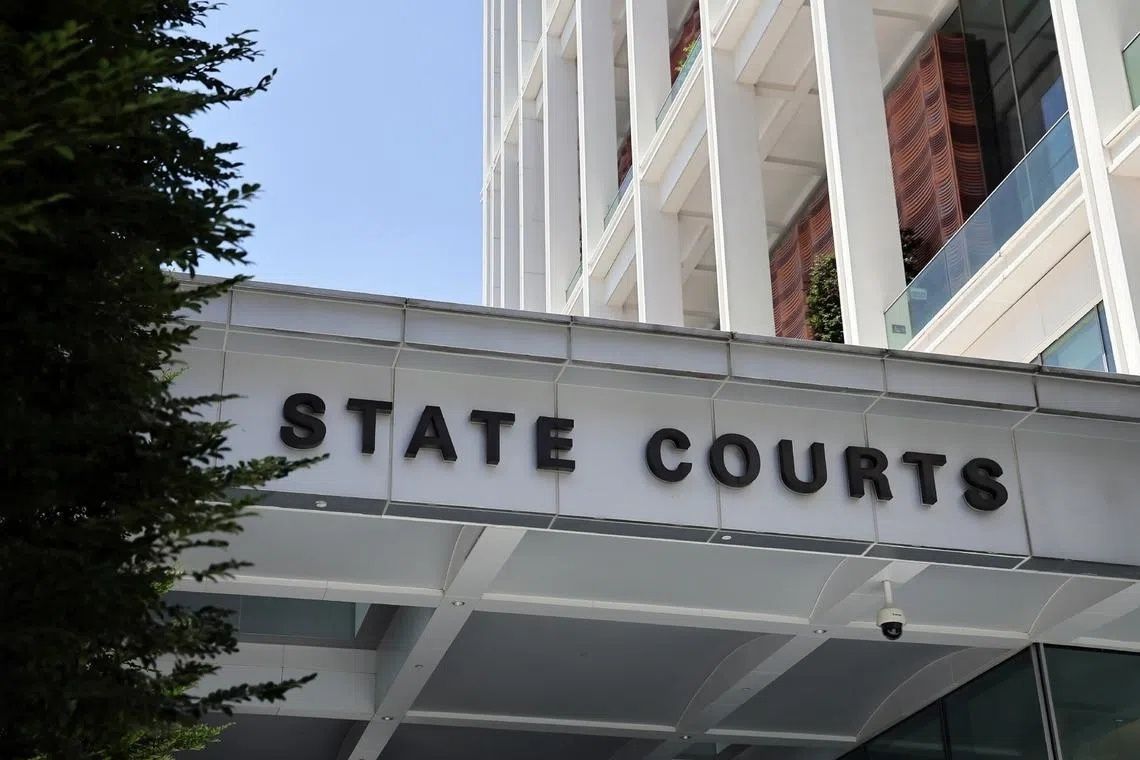
A Singapore district court processed charges against 41 motorists for drink driving offences on a single day, underscoring the persistent challenge of impaired driving in the city-state. Three of those charged faced additional allegations that they had dozed off at the wheel while under the influence of alcohol—a particularly dangerous combination that dramatically amplifies collision and injury risks. The cases, heard on Thursday, June 25, illustrate how quickly intoxicated drivers can transition from dangerous to catastrophic on urban roads.
Tho Yu Wei Ronald, aged 34, allegedly abandoned his vehicle at the entrance of a multi-storey carpark on Hougang Street 13 late on April 30, apparently after falling asleep. Breath analysis revealed alcohol levels of at least 51 micrograms per 100 millilitres, exceeding Singapore's legal limit of 35 micrograms by nearly 50 percent. The second case involved Zhong Pengzhi, 38, who left his car blocking a lane on Clementi Avenue 5 in the early morning hours of May 9 with measured alcohol content of at least 48 micrograms per 100 millilitres. Both men were charged not only with drink driving but also with the secondary offence of leaving vehicles positioned dangerously or inconveniently for other road users.
The third motorist, Dharuman Killivalavan, 29, allegedly drifted into the extreme right lane of Loyang Avenue while operating a lorry on June 15 evening after consuming alcohol. His breath test registered at least 87 micrograms per 100 millilitres—more than double the legal threshold—suggesting substantial intoxication. Killivalavan entered a guilty plea on the same day and received a $7,100 fine alongside a three-year driving disqualification. His case demonstrates how professional drivers operating commercial vehicles remain vulnerable to impaired driving offences, creating heightened risk not only for themselves but for other road users depending on their spatial awareness and reaction times.
Within the broader cohort of 41 drivers charged that day, authorities identified two individuals with prior convictions for the same offence, flagging a recidivism problem that complicates enforcement efforts. Cheng Woon Siong, 44, pleaded guilty after police detected 52 micrograms of alcohol per 100 millilitres during a roadside check. Having previously been convicted in December 2019, Cheng faced substantially harsher consequences: one month imprisonment, a $5,500 fine, and a five-year driving ban beginning after his release. The escalated sentencing reflects judicial policy designed to deter repeat offenders through progressively severe penalties.
Another recidivist, Koh Choon Lye, 48, was intercepted on Tyrwhitt Road on April 16 with breath alcohol levels of at least 51 micrograms per 100 millilitres. His prior conviction for drink driving in 2018 positioned him similarly for enhanced sentencing, though his specific outcome was not detailed in initial reports. The presence of repeat offenders among a single day's charges suggests that existing deterrents—fines, licence suspensions, and even imprisonment—have not fully eliminated recidivist behaviour, raising questions about rehabilitation and monitoring systems.
Singapore's Traffic Police released annual statistics indicating that 1,716 people were arrested for drink driving across the full year 2025, alongside 12 fatal accidents attributable to alcohol-impaired driving. These figures place the city-state's drink-driving incidence within the context of broader Southeast Asian road safety concerns, where alcohol-related collisions represent a significant public health burden. Malaysia, with a substantially larger population and different enforcement patterns, typically records higher absolute numbers of drink-driving arrests and fatalities, though regional comparison methodologies remain inconsistent.
The June 25 court session demonstrates Singapore's proactive enforcement posture, where coordinated police operations can yield mass charging of offenders within compressed timeframes. This concentrated prosecutorial approach reflects resource investment and operational focus, contrasting with jurisdictions where drink-driving cases filter through courts more gradually. For Malaysian observers, Singapore's visible enforcement strategy and published statistics offer both a model and a cautionary narrative about enforcement intensity required to suppress impaired driving behaviour.
Authorities in Singapore have consistently emphasised that operating a vehicle under alcohol influence represents reckless endangerment, framing the issue beyond mere regulatory violation toward fundamental public safety threat. Police statements accompanying these charges reiterated warnings that intoxication severely compromises driving capability, reaction time, and judgment—factors amplified in the three cases involving alleged sleep episodes. The messaging underscores how alcohol does not merely impair driving performance but can render drivers entirely unable to maintain vehicle control, creating conditions where vehicles become unguided projectiles.
Public health campaigns accompanying enforcement efforts encourage motorists to utilise alternative transportation when consuming alcohol, promoting taxi services and private-hire vehicles as safer options. This dual approach—combining enforcement with behavioural encouragement—reflects evidence-based drink-driving reduction strategies employed across developed jurisdictions. Malaysia's Ministry of Transport and Royal Malaysia Police have similarly advocated alternative transport options, though consistent messaging and enforcement intensity vary across states and remain subject to periodic variation based on operational priorities.
The concentration of 41 drink-driving charges in a single court day, despite Singapore's relatively small population, suggests that impaired driving remains endemic despite consistent enforcement and public messaging. The apparent persistence of the behaviour, particularly among repeat offenders, indicates that deterrence models based primarily on financial penalties and licence suspension may require supplementation through rehabilitation requirements, vehicle interlock technology mandates, or community service provisions. Regional jurisdictions grappling with similar challenges might examine whether enhanced sentencing alone sufficiently addresses underlying factors driving continued offending.
For Malaysian readers, Singapore's documented approach and published statistics provide actionable comparisons for road safety assessment. The three cases of drivers falling asleep while intoxicated exemplify worst-case scenarios where impairment directly causes immediate incapacity, yet even these severe cases remain responsive to prosecution rather than indicating systemic enforcement collapse. The challenge across the region remains consistent application of existing laws and enhancement of public understanding regarding how alcohol fundamentally alters driving capability, creating conditions where vehicles become liability rather than transportation.

