Singapore is rolling out a three-month campaign combining ride-hailing incentives with neighbourhood exploration to attract visitors from across Southeast Asia through October, capitalising on the city-state's packed events calendar including the prestigious Formula 1 Grand Prix. The Singapore Tourism Board and Grab have partnered to distribute bonus vouchers to tourists who register for the Singapore Grab Travel Pass, a bundled offering that includes transport, dining, and activity discounts. The strategic promotion highlights how destination marketing is increasingly intertwined with mobility platforms, leveraging apps that tourists already use to navigate unfamiliar cities.
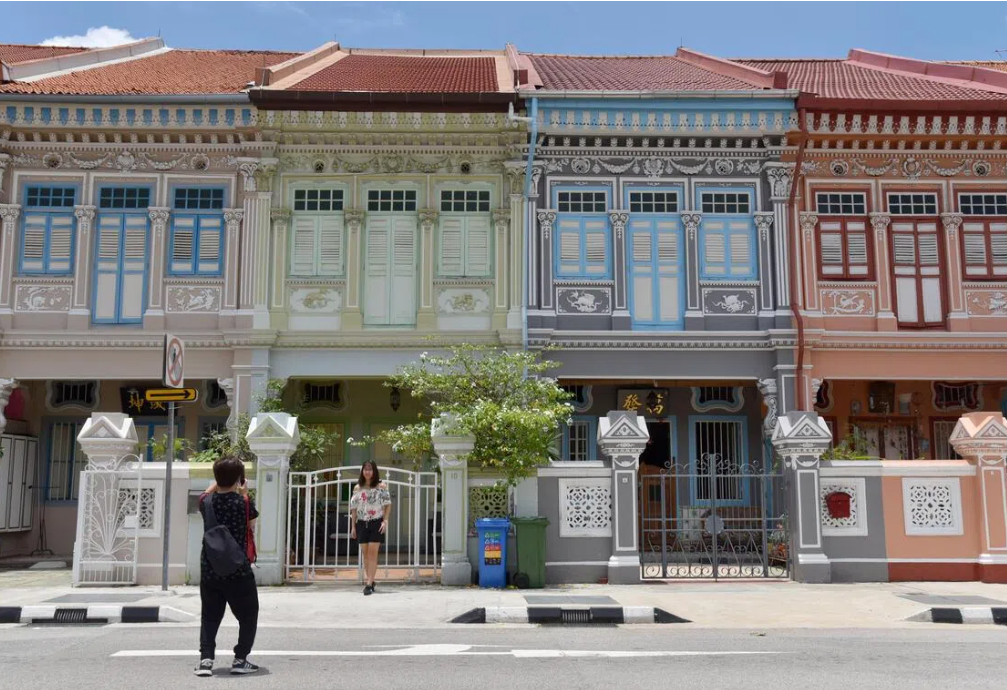
The voucher scheme is structured around two distinct travel patterns. The first incentive provides a 20 per cent discount capped at two uses for journeys connecting four significant precincts: the heritage-rich Katong-Joo Chiat area, the charming Tiong Baru neighbourhood, the wildlife-focused Mandai precinct, and the island resort of Sentosa. These locations represent different visitor motivations—cultural immersion, local character, family attractions, and leisure resort experiences—allowing the campaign to appeal across demographic segments rather than targeting a single tourist profile.
The second voucher targets a growing market segment: tourists seeking evening and nocturnal entertainment. Valid exclusively between 7pm and 4am, this one-time discount also reaches 20 per cent and applies to routes serving four nightlife districts: Holland Village, Clarke Quay, Boat Quay, and Robertson Quay. This after-dark component reflects evolving tourism consumption patterns, particularly among younger visitors who increasingly prioritise experiential activities beyond traditional daytime sightseeing. For Southeast Asian regional tourists—the core audience for this campaign—accessible evening entertainment options represent a key differentiator between Singapore and competing destinations.
The campaign's timing aligns deliberately with Singapore's major annual events. The Singapore Grand Prix, scheduled for October 2 to 11, draws international motorsports enthusiasts and corporate hospitality groups with substantial spending power. The concurrent Singapore River Festival, running September 11 to 20, positions waterfront precincts as cultural and entertainment hubs. By bridging these events with late September and early October promotions, the tourism board aims to sustain visitor momentum across the entire three-month window rather than relying solely on event-driven spikes.
Grab Singapore's managing director Alejandro Osorio framed the initiative as neighbourhood-centric discovery, emphasising that different districts offer distinct experiences—a positioning that contrasts with typical tourist trail itineraries. This approach recognises that repeat visitation and deeper engagement often stems from exploring beyond iconic landmarks. For the region's middle-income tourists increasingly seeking authentic cultural experiences, such targeted neighbourhood marketing may prove more persuasive than generic city promotions.
The execution strategy targets potential visitors across nine key Southeast Asian markets, including China, Indonesia, Thailand, and Vietnam, through digital advertising campaigns before arrival. Upon landing in Singapore, tourists activate the travel pass and vouchers directly via the Grab app, reducing friction in the redemption process. This seamless digital integration matters significantly for regional tourists who may be less familiar with Singapore's specific attractions and logistics than long-haul international visitors.
This initiative extends the Singapore Tourism Board's broader "We don't wait for fun" campaign launched earlier this year, which specifically targets younger demographics aged 25 to 39. That multi-market rollout highlighted emerging neighbourhoods like New Bahru and Joo Chiat, positioning Singapore as a destination for independent, exploratory travel rather than conventional package tourism. The Grab partnership operationalises this positioning by making alternative precincts physically accessible and economically attractive.
Singapore's tourism sector has demonstrated remarkable momentum recently. International visitor arrivals reached 16.9 million in 2025, up from 16.5 million the previous year, while tourism spending hit an all-time high of $32.8 billion. These metrics reflect post-pandemic recovery and strategic marketing success, though Singapore remains competitive with other regional destinations facing similar tourist-generating markets. The tourism board projects arrivals between 17 and 18 million by 2026, with spending forecasted at $31 to $32.5 billion—slightly lower than 2025 despite higher visitor numbers, suggesting a shift toward more budget-conscious tourists or shorter average stays.
Government support for tourism infrastructure underpins these campaigns. In May, Minister Grace Fu, who oversees trade relations and sustainability, announced a $740 million investment across the subsequent five years for tourism projects. This funding signals long-term commitment to maintaining Singapore's competitive position amid regional tourism growth, particularly as neighbouring countries invest heavily in tourism infrastructure and marketing.
For Malaysian readers, this campaign reflects broader Southeast Asian tourism dynamics. Singapore's success in capturing regional visitors through targeted digital marketing and mobility partnerships offers lessons for Malaysian destination marketing. The emphasis on neighbourhood exploration and experiential travel aligns with shifting tourist preferences across the region, away from purely commercial or heritage-focused circuits. Additionally, the partnership model between tourism boards and private platforms like Grab demonstrates how public-private collaboration can enhance visitor experience while reducing government marketing expenditure.
The late-night and entertainment angle particularly merits attention for Malaysia. Kuala Lumpur and other Malaysian destinations compete with Singapore for young regional tourists, yet may not have similarly coordinated campaigns promoting evening and nightlife experiences. The Grab partnership's regional reach means the campaign will directly compete for tourists across Thailand, Vietnam, Indonesia, and China who might otherwise visit Malaysian cities.
The campaign ultimately reflects how competitive destination marketing has evolved. Rather than promoting Singapore as an abstract brand, it connects specific geographical precincts to particular travel motivations and facilitates easy mobility between them. For tourists, the approach reduces decision fatigue—they can readily explore curated neighbourhoods knowing transport costs are subsidised. For Singapore, it steers visitor spending toward less commercialised precincts and extends visits beyond standard tourist zones, potentially increasing overall expenditure and generating word-of-mouth recommendations based on authentic neighbourhood experiences.

